
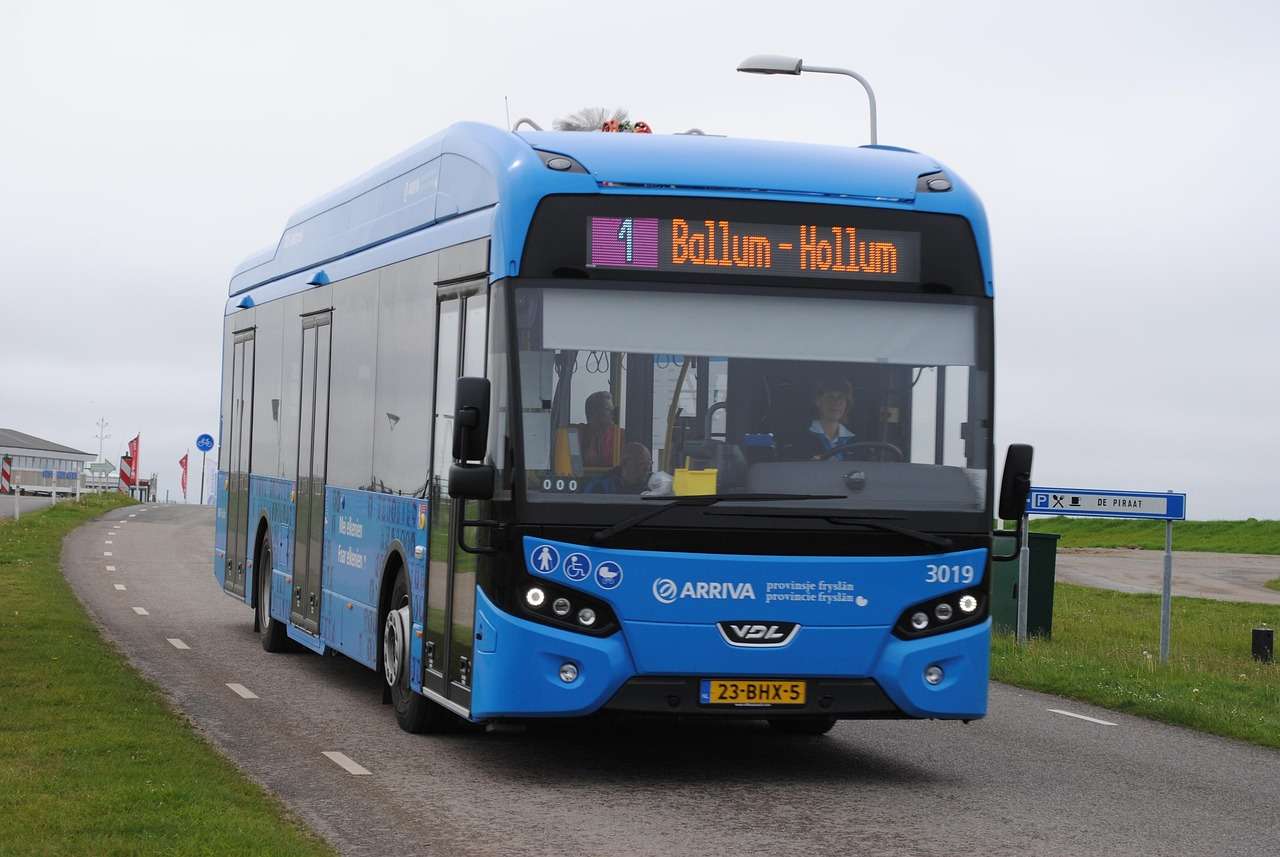
Finance Assets arranges asset finance for public transport operators, helping UK companies and community organisations that run local bus, school, demand-responsive, park and ride and community transport services fund zero-emission buses, accessible minibuses, depot charging, ticketing and passenger technology.
Asset finance for public transport spreads the cost of vehicles and equipment over 3 to 10 years, so contract and fare income pays for them as they are used. It suits operators winning a new tendered contract, moving to electric buses, or upgrading ticketing and onboard systems to meet the requirements of a transport authority.
Written by Marcus Wright, founder of Bolton Business Finance Ltd, in financial services since 2008 and a commercial finance broker since 2019. Last reviewed October 2026.
On this page
The short version
- Asset finance lets public transport operators spread the cost of vehicles and equipment over 3 to 10 years.
- Lenders look at the contracts the vehicles will serve, and what happens to the vehicles if a contract ends early.
- Electric buses can be financed with their depot chargers. Grant funding usually reduces the amount you need to borrow.
- Ticket machines, validators, CCTV and real-time information equipment can go on the same agreement as the vehicles.
- Finance Assets arranges asset finance for operators trading as limited companies, LLPs, CICs and charitable companies, and for sole traders and partnerships on agreements over £25,000.
| Item | Detail |
|---|---|
| Assets covered | Electric, hybrid and diesel buses, accessible minibuses, depot chargers, ticketing and validators, CCTV, real-time information and depot equipment |
| Terms | Usually 3 to 7 years for vehicles, and up to 10 years or more for new electric buses with some lenders |
| Paid upfront | Hire purchase: often a 10% deposit plus VAT. Leases: usually 1 to 3 rentals in advance |
| New or used | New and used vehicles, with the age at the end of the term usually capped by the lender |
| Grants | Finance can sit alongside grant funding, covering the part of the cost the grant does not |
| Who we help | Limited companies, LLPs, CICs and charitable companies, plus sole traders and partnerships on business agreements over £25,000 |
Vehicles and equipment we finance for public transport
Lenders fund the vehicles that run public services and much of the technology that a transport authority expects them to carry.
| Asset group | Examples |
|---|---|
| Zero-emission buses | Battery electric single-deck, double-deck and midi buses, and hydrogen buses |
| Diesel and hybrid buses | New and used Euro VI and hybrid buses. See asset finance for bus and coach operators |
| Accessible minibuses | Low-floor and wheelchair-accessible minibuses for community, school and demand-responsive services |
| Depot charging | Depot chargers, charging management software and battery storage |
| Ticketing | Driver ticket machines, contactless validators and back-office systems. See point of sale finance |
| Onboard technology | CCTV, vehicle tracking, next-stop announcements, passenger counting and Wi-Fi |
| Passenger information | Real-time information displays and digital screens at stops and interchanges |
| Depot equipment | Bus washes, vehicle lifts, tyre equipment, workshop tools and fuel systems |
| Support vehicles | Engineering vans, recovery vehicles and supervisor cars |
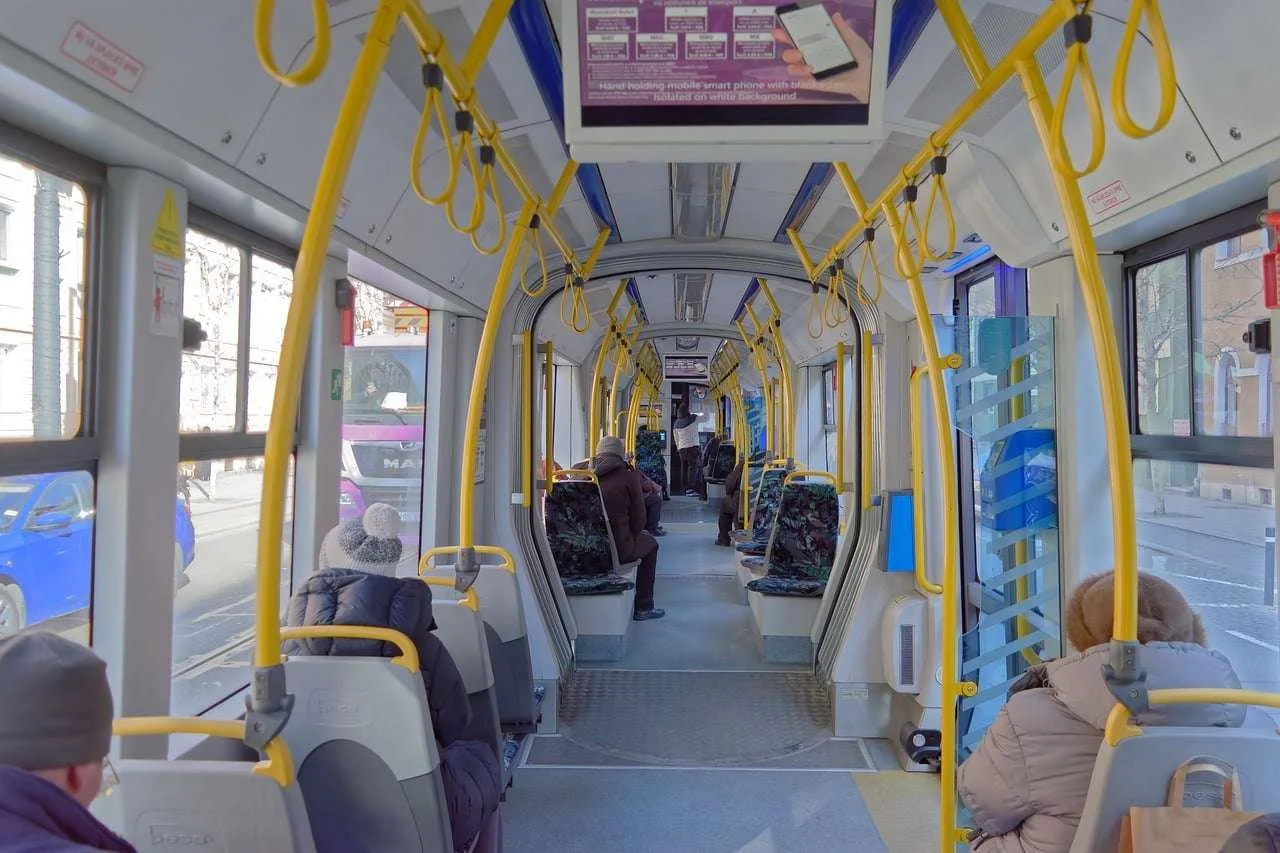
New tram and train fleets are normally leased through specialist rolling stock companies rather than the general asset finance market. For smaller purchases, such as passenger carriages for heritage and charter operators or a shunting locomotive, see rolling stock finance. For contractors who maintain track and infrastructure, see asset finance for railway contractors. For waterbuses and ferries, see commercial vessel finance.
Financing vehicles for contracted services
Much public transport runs under contract to a council or transport authority. That gives steady income, but it also raises a question lenders always ask: what happens to the vehicles when the contract ends?
- Contract length and finance term. A bus can last well beyond a 5-year contract. Lenders are more comfortable when the vehicle could be used on other work or sold easily if the contract is not renewed.
- Break clauses. Lenders look at whether the authority can end the contract early, and at what notice.
- Vehicle specification. Contracts often set age, emissions and accessibility standards. Vehicles bought to a common specification hold their value better than ones built for a single route.
- Home-to-school transport. Contracts follow the school year, so lenders look at how the vehicles earn during school holidays, for example on private hire.
- Franchised areas. Where bus services are franchised, as in Greater Manchester, the transport authority may own the buses and depots and provide them to operators. Operators then tend to finance less of the fleet themselves, and more of their support vehicles, depot equipment and other contract work.
Electric and zero-emission buses
Electric buses cost much more to buy than diesel buses, but less to run. Asset finance lets the running cost savings help pay for the higher price.
- Longer terms. Some lenders offer longer terms on new electric buses, which brings the monthly payment closer to what a diesel bus would cost.
- Batteries. Lenders look at the battery warranty and its length compared with the finance term. Some manufacturers offer battery leasing separately from the bus.
- Grants. Where a grant covers part of the cost, the finance covers the rest. Lenders will want to see the grant agreement and any conditions, such as how long the bus must stay in service locally.
- Depot charging. Chargers and charging software can be financed with the buses. Grid connections and building work are usually funded another way.
Types of public transport operator
We work with the private and community organisations that run public transport services. Councils and transport authorities normally borrow through public sector routes rather than the asset finance market.
- Local bus operators. Commercial and tendered routes, with a mix of fare income, concessionary fare payments and contract income.
- School and special educational needs transport. Minibuses, accessible vehicles and coaches run under council contracts.
- Community transport. Charities and CICs running dial-a-ride, group transport and community bus services. Lenders look at their contracts, grant income and reserves.
- Demand-responsive transport. Bookable minibus services using app-based scheduling, often under contract to an authority.
- Park and ride, airport and shuttle services. Operators running dedicated services for councils, airports, hospitals and universities.
Finance options for public transport operators
Operators usually buy vehicles they expect to keep on hire purchase, and lease vehicles tied to a single contract. Our types of asset finance guide covers each option in more depth.
| Type | How it works | Suits |
|---|---|---|
| Hire purchase | A deposit, then fixed monthly payments. You own the vehicle after the last one | Buses and minibuses you plan to keep beyond one contract |
| Finance lease | Rentals with VAT added to each one. The lender owns the vehicle | Spreading the cost of higher-priced electric buses, and operators that cannot reclaim all their VAT |
| Operating lease | Lower rentals priced around the expected resale value. You hand it back at the end | Vehicles matched to a fixed-length contract, and ticketing technology |
| Contract hire | A fixed rental for an agreed term and mileage, often with maintenance included | Minibuses, support vans and supervisor cars |
Hire purchase for public transport operators
Hire purchase for public transport operators is the usual way to buy buses and minibuses that will run for many years across different contracts. You pay a deposit, often around 10% plus the VAT, then fixed monthly payments, and the vehicle is yours after the last one. You are treated as the owner for tax from the start, so you may be able to claim capital allowances.
Finance lease for public transport operators
A finance lease for public transport operators spreads the VAT across the rentals instead of asking for it upfront, which helps with expensive electric buses. The lender keeps ownership. At the end you can usually keep using the vehicle for a small secondary rental, or sell it and receive most of the proceeds.
Operating lease for public transport operators
An operating lease for public transport operators matches the vehicle to the length of a contract. Rentals are set around what the vehicle should be worth at the end, and you hand it back when the term finishes. It limits the risk of being left with vehicles if a contract is not renewed.
Contract hire for public transport operators
Contract hire for public transport operators is used for minibuses, engineering vans and supervisor cars. You pay a fixed monthly rental for an agreed term and mileage, with servicing often included, and the vehicle goes back at the end.
VAT and tax for public transport operators
Passenger transport in vehicles that carry 10 or more passengers is usually zero-rated for VAT, so most bus operators are VAT registered and can reclaim the VAT on vehicles and equipment. Smaller vehicles, and some community transport services, can be treated differently. On hire purchase, VAT on the full price is paid at the start and reclaimed later. On a lease, it is added to each rental. With hire purchase you may be able to claim capital allowances, and lease rentals are usually an allowable business expense. Check the VAT and tax treatment with your accountant.
Electric bus finance costs: a worked example
A £320,000 package, with a battery electric single-deck bus and a depot charger, costs about £5,978 a month on a 5-year hire purchase, or about £4,634 a month over 7 years.
| Item | 5 years | 7 years |
|---|---|---|
| Price (excl. VAT) | £320,000 | £320,000 |
| Deposit (10%) | £32,000 | £32,000 |
| VAT paid upfront | £64,000 | £64,000 |
| Monthly payment | £5,978.41 | £4,633.65 |
| Total interest | £70,704 | £101,227 |
The longer term lowers the monthly payment by about £1,345 but adds around £30,523 of interest. A grant towards the bus would reduce the amount financed, and lower fuel and maintenance costs help offset the payments compared with a diesel bus.
Illustration calculated in October 2026, assuming an interest rate of 9% a year and no grant funding. It is not a quote. Your rate depends on your trading history, credit profile, contracts and the vehicles.
What lenders look for in public transport operators
Lenders look at the usual financial documents, plus the licences and contracts that are specific to passenger transport.
- Your last 2 years of filed accounts, or management accounts and a forecast for newer operators
- Your last 3 to 6 months of business bank statements
- Your PSV operator’s licence and vehicle authorisation, or section 19 or 22 permits for community transport
- Copies of the contracts the vehicles will serve, including their length and break clauses, and any grant agreements
- Vehicle quotes, plus photo ID and address history for each director, member or partner
Related guides
- Asset finance for bus and coach operators
- Rolling stock finance, for carriages and locomotives
- Asset finance for railway contractors
- Commercial vessel finance, for ferries and waterbuses
- Point of sale finance, for ticketing
- Transport and haulage finance
- All sectors we finance
- Types of asset finance
Who we can help
We arrange asset finance for public transport operators that trade as UK limited companies, LLPs, CICs and charitable companies, and for sole traders and partnerships on agreements over £25,000 that are for business purposes. We are not authorised by the FCA, so we cannot arrange agreements of £25,000 or less for sole traders or partnerships of two or three partners, or finance for personal use.
Asset finance for public transport FAQs
Can I finance buses for a new council contract?
Yes. Lenders will want to see the contract award, its length and any break clauses. They are more comfortable when the vehicles could be used elsewhere if the contract is not renewed.
Can electric buses and chargers be financed together?
Yes. The buses, depot chargers and charging software can usually go on one agreement. Grid connections and building work are normally funded separately.
Can finance be combined with a grant?
Yes. The grant reduces the amount you need to borrow, and the finance covers the rest. Lenders will want to see the grant terms.
How much does electric bus finance cost?
It depends on the vehicle, the term and your business. As an illustration, a £320,000 electric bus and charger costs about £5,978 a month over 5 years on hire purchase at 9%, after a 10% deposit and the VAT paid upfront, or about £4,634 a month over 7 years.
Can community transport charities get asset finance?
Yes, where the charity is a company or CIC. Lenders look at contract and grant income, reserves and the section 19 or 22 permits.
Do you finance trams or trains?
Trams and trains are usually leased through specialist rolling stock companies. We can help contractors and operators with the support vehicles and equipment around them.
Get an asset finance quote for your transport services
Tell us what you want to finance
Send us the vehicles or equipment, the prices and a few details about your services and contracts. We will come back with the options that are realistic and what they are likely to cost.
About the author
Marcus Wright is the owner and founder of Bolton Business Finance Ltd, which trades as Finance Assets. He has worked in financial services since 2008, beginning his career at Santander, and has been a commercial finance broker since March 2019.
He founded Bolton Business Finance in 2020 to give businesses access to the whole lending market rather than one bank’s own product range. The firm is a member of the National Association of Commercial Finance Brokers and works with a panel of 135+ lenders. Call 0161 546 9128.
Finance Assets is a trading name of Bolton Business Finance Ltd, an independent commercial finance brokerage, not a lender. We are not authorised by the Financial Conduct Authority and can only complete non-regulated introductions. All lending is for business purposes only. Registered address: Westgate House, 1 Westgate Avenue, Bolton, Greater Manchester, BL1 4RF. Company number 12495909.