
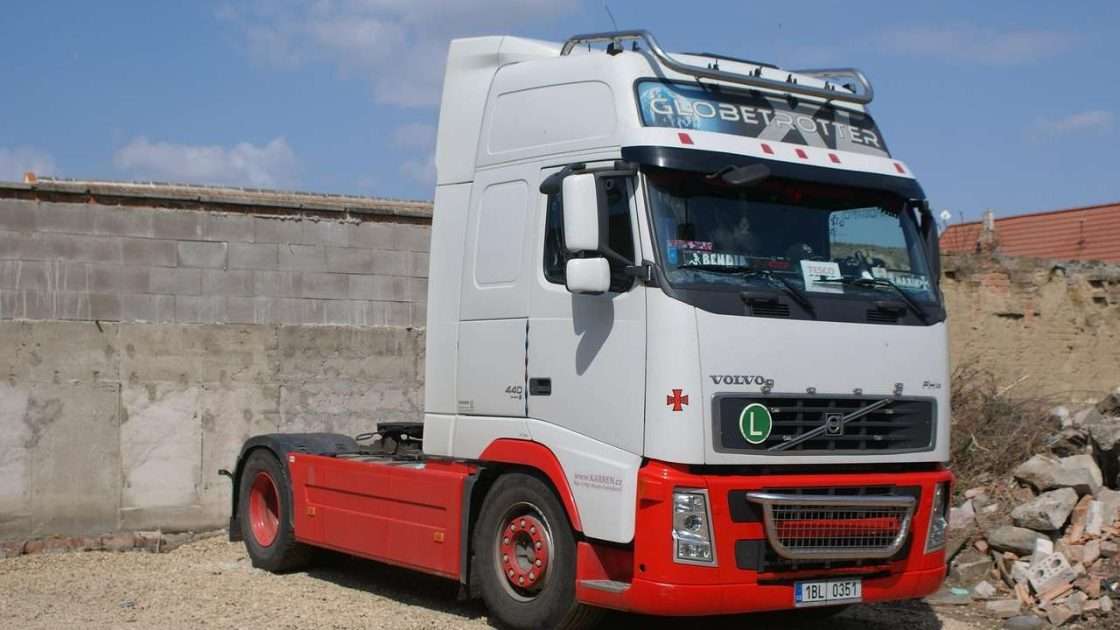
Finance Assets arranges haulage finance for UK limited companies buying tractor units, rigid HGVs, trailers, vans and other commercial vehicles.
Haulage finance spreads the cost of the vehicles a transport business runs on, so capital stays free for fuel, wages and new contracts. This page sets out what we fund across road transport, how hire purchase, leasing and contract hire compare for HGVs, and links to our detailed vehicle guides.
Written by Marcus Wright, founder of Bolton Business Finance Ltd, in financial services since 2008 and a commercial finance broker since 2019. Last reviewed September 2026.
On this page
The short version
- Haulage finance covers tractor units, rigid HGVs, trailers, vans, buses and depot equipment.
- Hire purchase leads to ownership, while leases and contract hire keep the vehicle with the lender.
- Commercial vehicles are not cars, so VAT-registered operators can usually reclaim the VAT in full.
- Whole fleets can be funded under one master agreement, with vehicles added as they arrive.
- Finance Assets arranges transport finance for UK limited companies and LLPs.
| Item | Detail |
|---|---|
| Vehicles covered | Tractor units, rigid HGVs, trailers, vans, specialist vehicles, buses and depot equipment |
| Terms | Usually 2 to 5 years, and up to 7 years for new trailers |
| Paid upfront | Hire purchase: often a 10% deposit plus VAT. Leases and contract hire: usually 1 to 3 rentals in advance |
| New or used | Both, including ex-fleet vehicles and many auction purchases |
| Extras | Bodywork, tail lifts, fridge units, telematics and livery can often be included |
| Who we help | UK limited companies and LLPs |
Transport and haulage finance guides
Each guide covers one vehicle type in detail, including the finance options that suit it and a worked example of the monthly cost.
- Asset Finance for Bus and Coach OperatorsAsset finance for bus and coach operators buying coaches, buses and minibuses. HP, leasing and contract hire for UK limited companies. Get a quote.
- Commercial Vessel FinanceCommercial vessel finance for workboats, tugs, crew transfer, passenger and fishing vessels. Hire purchase and leasing for UK limited companies. Get a quote.
- HGV and Artic Trailer FinanceHGV trailer finance for curtainsiders, fridge, flatbed and tipper trailers. Hire purchase, leasing and contract hire for UK limited companies. Get a quote.
Vehicles and equipment we finance
HGV finance and truck finance cover almost every vehicle a transport business runs, as long as it is used for the business.
| Vehicle group | Examples |
|---|---|
| Tractor units | 4×2 and 6×2 tractor units with day or sleeper cabs |
| Rigid HGVs | 7.5 to 32 tonne rigids with curtainside, box, dropside or fridge bodies |
| Trailers | HGV and artic trailers, including curtainsiders, fridge trailers, flatbeds, low loaders, tippers and tankers |
| Specialist vehicles | Tippers, grab and hook loaders, skip loaders, refuse vehicles, car transporters and recovery trucks |
| Vans and light commercials | Panel vans, Luton vans, dropsides, tippers and refrigerated vans used in the business |
| Passenger transport | Minibuses, coaches and buses for licensed operators |
| Depot and yard | Terminal tractors, forklift trucks, vehicle wash systems and workshop equipment |
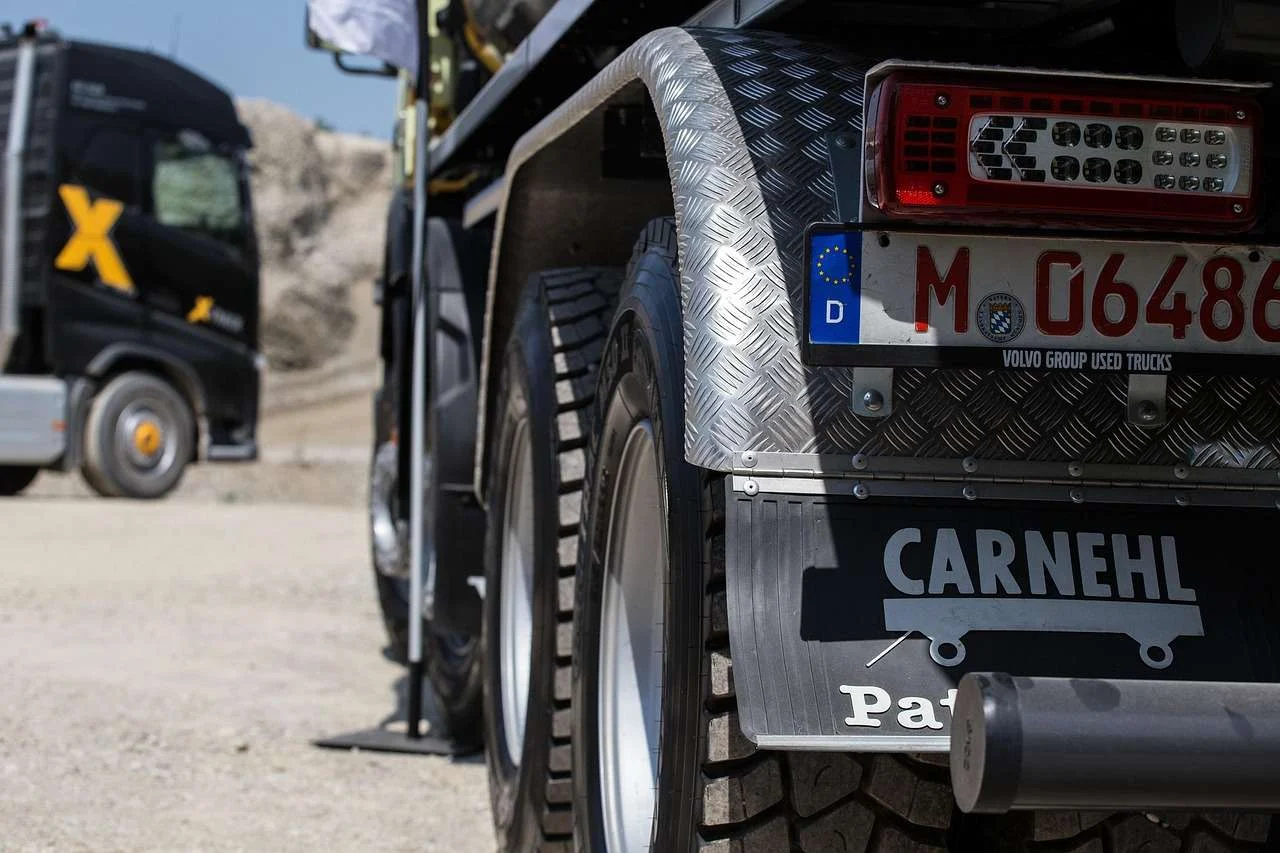
Hire purchase, leasing and contract hire for HGVs
Most operators choose between owning their vehicles through hire purchase or renting them through a lease or contract hire. The right choice depends on how long you keep vehicles and whether you want the resale risk.
| Type | How it works | Suits |
|---|---|---|
| Hire purchase | A deposit, then fixed monthly payments. You own the vehicle after the last one | Vehicles you will run for most of their working life |
| Finance lease | Rentals with VAT added to each one. The lender owns the vehicle, and you share in the sale proceeds at the end | Keeping deposits and VAT outlay low across a growing fleet |
| Operating lease | Lower rentals, priced around the vehicle’s expected resale value. You hand it back at the end | Fleets that renew every few years |
| Contract hire | A fixed rental for an agreed term and mileage, often with maintenance included | Predictable monthly costs with no resale risk |
Hire purchase for HGVs and commercial vehicles
Hire purchase for HGVs and commercial vehicles is the most common way hauliers buy. You pay a deposit, often around 10% plus the VAT, then fixed monthly payments over 2 to 5 years, and the vehicle is yours outright at the end. You are treated as the owner for tax from day one, and a balloon payment can bring the monthly cost down.
Finance lease for HGVs
A finance lease for HGVs keeps cash in the business, because VAT is added to each rental instead of being paid upfront. The lender owns the vehicle throughout. At the end of the term you can usually carry on using it for a small secondary rental, or sell it on the lender’s behalf and receive most of the proceeds.
Operating lease for HGVs
An operating lease for HGVs sets the rentals around what the vehicle should be worth when it comes back, so the lender takes the resale risk. It suits operators who replace tractor units every 3 to 5 years to keep the fleet efficient and within clean air zone standards.
Contract hire for HGVs and trucks
HGV contract hire bundles the vehicle, and often its maintenance, servicing and tyres, into one fixed monthly rental over an agreed term and mileage. It gives the most predictable costs of any option and removes resale risk entirely. The vehicle goes back at the end, and excess mileage or damage beyond fair wear and tear is charged.
VAT and tax on haulage finance
Tractor units, HGVs, trailers and vans are commercial vehicles, not cars, so a VAT-registered operator can usually reclaim the VAT in full. On hire purchase, VAT on the full price is usually paid at the start and reclaimed on the next return. On a lease or contract hire, VAT is added to each rental. With hire purchase you may be able to claim capital allowances, and lease rentals are usually an allowable business expense. Check the tax treatment with your accountant.
Used vehicles and refinancing
Used commercial vehicles are funded as readily as new ones, and vehicles you already own can raise cash.
- Used HGVs and tractor units from dealers, other operators and auctions, usually on a term that ends while the vehicle still has resale value.
- Ex-fleet and ex-lease vehicles, which often come with full service histories that lenders like to see.
- Imported vehicles, with some lenders, once they are registered in the UK.
- Refinance through a sale and hire purchase back on lorries you own outright, to fund new contracts or working capital.
- Replacing a vehicle with finance still owing, where the new lender settles the old agreement as part of the deal.
Financing a fleet
Operators running several vehicles can usually fund them through one facility rather than a separate application for each purchase.
- Master agreements. One credit approval, with each tractor unit, rigid or trailer added as a new schedule as it arrives.
- Staggered renewals. Spreading start dates so the whole fleet does not come up for replacement in the same year.
- Mixed fleets. Tractor units, trailers and vans on the same facility, even from different suppliers.
- Contract-backed terms. Agreements matched to the length of a haulage or distribution contract.
How haulage finance works
Haulage finance deals follow the same five steps, whether you are adding one van or twenty tractor units.
- Tell us about the vehicles: what they are, their age, price and supplier, and how many you need
- We match the lenders on our panel that fund that type of vehicle and fleet
- We come back with the options that are realistic and what they are likely to cost
- The lender reviews your accounts, bank statements and operator’s licence and makes a credit decision
- You sign the agreement, the lender pays the supplier and the vehicles go on the road
What lenders ask for
Transport lenders ask for the usual financial documents, plus the details that show the business can legally run the vehicles.
- Your last 2 years of filed accounts, or management accounts and a forecast for newer operators
- Your last 3 to 6 months of business bank statements
- Your operator’s licence number and the vehicles and trailers it authorises
- A current fleet list and details of existing finance agreements
- Supplier invoices or quotes showing each vehicle’s registration or chassis number
- Photo ID and address history for each director
Who we can help
We arrange asset finance for UK limited companies and LLPs. We are not authorised by the FCA, so we cannot arrange agreements of £25,000 or less for sole traders or small partnerships, or finance for personal use.
Haulage finance FAQs
What vehicles can haulage finance cover?
Haulage finance can cover tractor units, rigid HGVs, trailers, vans, specialist vehicles such as tippers and refuse trucks, buses and coaches, and depot equipment like forklifts and terminal tractors. The vehicle must be used in the business. Bodywork, tail lifts, fridge units and telematics can usually be included in the same agreement.
Can I finance a used HGV or tractor unit?
Yes. Used HGVs and tractor units from dealers, other operators and auctions are widely funded. Lenders look at the vehicle’s age and mileage, and usually set a term that ends while it still has a sensible resale value. Older vehicles may need a larger deposit or a shorter term.
Can a new haulage company get finance?
Yes, although lenders look more closely at operators with a short trading history. A new operator’s licence, a realistic business plan and directors with industry experience all help. Hire purchase on vehicles that hold their value is usually the easiest route, and a larger deposit or a personal guarantee may be needed.
Can I finance a whole fleet under one agreement?
Often, yes. Many lenders set up a master agreement with one credit approval, then add each vehicle or trailer as a new schedule as it arrives. This keeps the terms consistent across the fleet and saves a fresh application for every purchase.
Is contract hire available on HGVs?
Yes. Contract hire is widely used for tractor units, rigid HGVs and trailers. You pay a fixed monthly rental for an agreed term and mileage, and maintenance and servicing can often be included. The vehicle goes back at the end, so the lender carries the resale risk.
Can I release cash from lorries I already own?
Yes. Through a sale and hire purchase back, a lender buys vehicles you own outright and sells them back to you over a fixed term, so you keep using them. The amount depends on their current value and age. Operators use it to fund new contracts, fleet growth or working capital.
Get a haulage finance quote
Tell us about the vehicles
Send us the vehicles, the prices and a few details about your fleet. We will come back with the options that are realistic and what they are likely to cost.
About the author
Marcus Wright is the owner and founder of Bolton Business Finance Ltd, which trades as Finance Assets. He has worked in financial services since 2008, beginning his career at Santander, and has been a commercial finance broker since March 2019.
He founded Bolton Business Finance in 2020 to give businesses access to the whole lending market rather than one bank’s own product range. The firm is a member of the National Association of Commercial Finance Brokers and works with a panel of 135+ lenders. Call 0161 546 9128.
Finance Assets is a trading name of Bolton Business Finance Ltd, an independent commercial finance brokerage, not a lender. We are not authorised by the Financial Conduct Authority and can only complete non-regulated introductions. All lending is for business purposes only. Registered address: Westgate House, 1 Westgate Avenue, Bolton, Greater Manchester, BL1 4RF. Company number 12495909.