
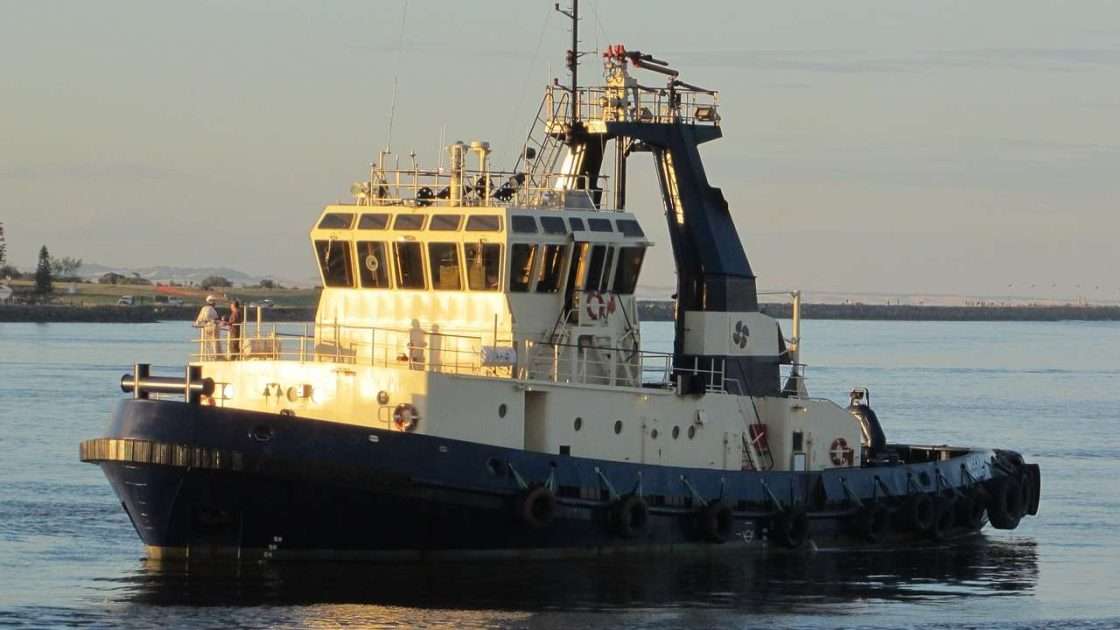
Finance Assets arranges commercial vessel finance for UK limited companies buying workboats, crew transfer vessels, tugs, passenger boats, fishing vessels and the engines and equipment that go on them.
Commercial vessel finance spreads the cost of a working boat or ship over 3 to 7 years, so a marine contractor, ferry or tour operator, fishing company or offshore wind service business can add a vessel, replace an older one or repower without tying up its cash. We arrange hire purchase, leasing and loans secured by a marine mortgage for new and used vessels, from a single workboat to a small fleet.
Written by Marcus Wright, founder of Bolton Business Finance Ltd, in financial services since 2008 and a commercial finance broker since 2019. Last reviewed September 2026.
On this page
The short version
- Commercial vessel finance lets a business spread the cost of a working boat or ship over 3 to 7 years, and sometimes longer.
- Lenders fund workboats, crew transfer vessels, tugs, passenger boats, fishing vessels and commercial hovercraft, new or used.
- Most lenders want an independent marine survey and the right MCA certification for the vessel’s work.
- Commercial vessels of 15 gross tons or more can be zero-rated for VAT, which changes how much you pay upfront.
- Finance Assets arranges vessel finance for UK limited companies and LLPs. We do not fund leisure boats or yachts.
| Item | Detail |
|---|---|
| Vessels covered | Workboats, multicats, crew transfer vessels, tugs, pilot boats, passenger and tour boats, fishing vessels, survey vessels, barges and commercial hovercraft |
| Deal sizes | From a replacement engine package to a small fleet of working vessels |
| Terms | Usually 3 to 7 years, and longer with some specialist marine lenders on newer vessels |
| Paid upfront | Hire purchase: often a 10% to 20% deposit, plus VAT if the vessel is standard-rated. Leases: usually 1 to 3 rentals in advance |
| New or used | Both, from UK and overseas yards, brokers and other operators |
| Who we help | UK limited companies and LLPs using the vessel for commercial work |
Commercial vessels and marine equipment we finance
Lenders will fund most vessels built or adapted for commercial work, along with the marine equipment that goes on them.
| Vessel group | Examples |
|---|---|
| Workboats and multicats | Aluminium and steel workboats, multicats and landing craft for marine construction, moorings and aquaculture |
| Offshore wind and survey | Crew transfer vessels, guard vessels and survey vessels |
| Harbour and towage | Tugs, pilot boats, harbour launches, dredgers and barges |
| Passenger vessels | Ferries, water taxis, tour and trip boats and commercial hovercraft |
| Fishing vessels | Trawlers, potters, netters and scallopers |
| Marine equipment | Engines and repowers, deck cranes, winches, navigation and electronics, and commercial RIBs |

New and used vessels
New vessels from established yards and used vessels in good order are both widely funded. A few points shape the terms.
- Marine survey. Most lenders want an independent condition and valuation survey by a qualified marine surveyor, especially on used vessels.
- Certification. The vessel needs the right MCA coding or certificate for its work, such as the Workboat Code for small workboats and pilot boats, or a passenger certificate for passenger vessels.
- Registration. Lenders usually want the vessel on the UK Ship Register with full registration, which records ownership and allows a marine mortgage to be registered. The Small Ships Register does neither.
- Contracted work. A crew transfer vessel on a long-term charter to a wind farm operator is a strong case, because the charter income backs the payments.
- New builds. Some lenders fund stage payments to the yard during the build. Others fund only on delivery, so the timing needs planning early.
Fishing vessels
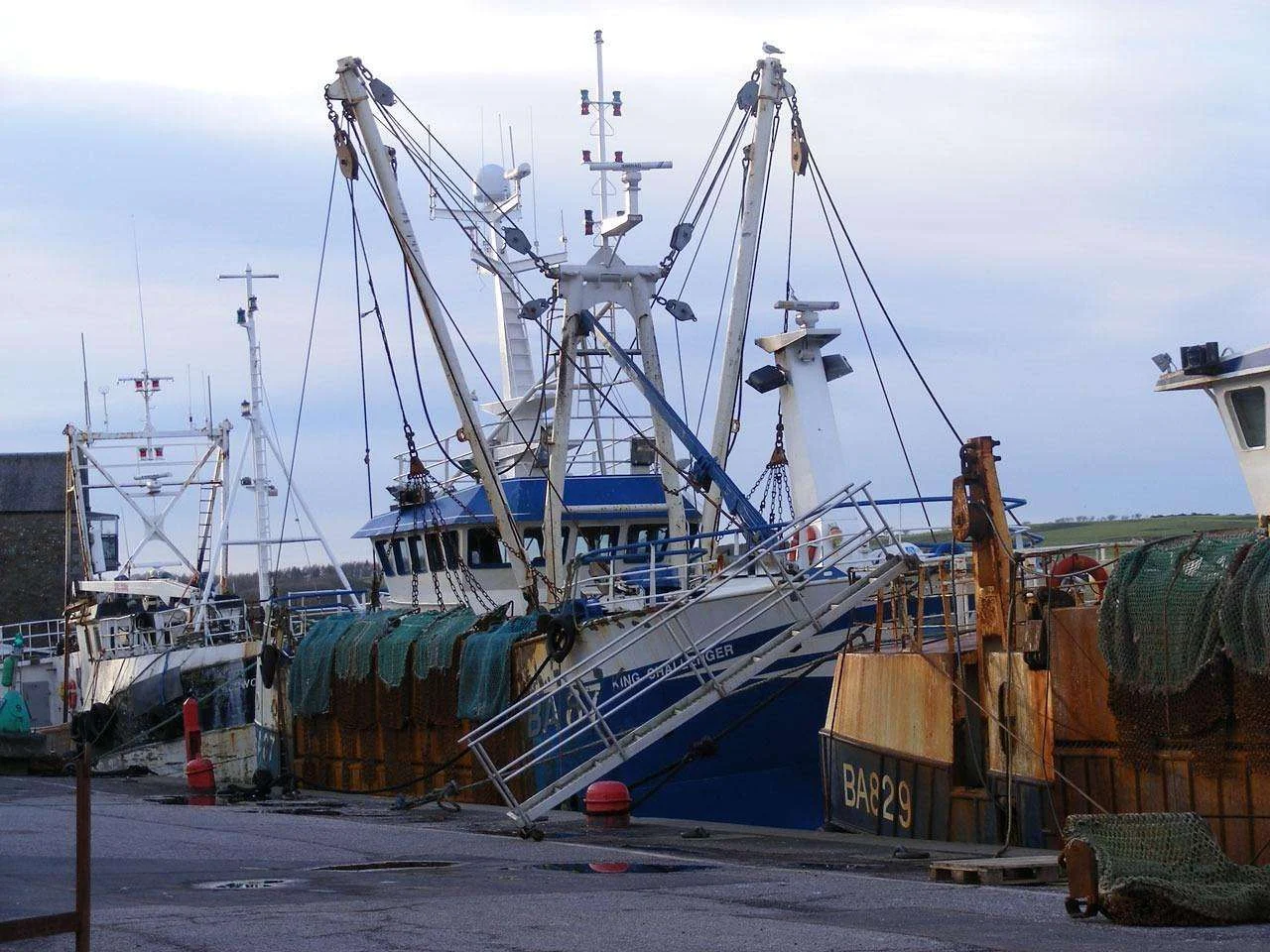
Fishing vessels are funded on the strength of the business as well as the boat. A UK vessel needs a fishing licence to fish commercially, and lenders look closely at the licence attached to the vessel and any quota it has access to, because a vessel without a licence is worth much less. They also look at landings records, the vessel’s survey and the company’s accounts.
Finance options for commercial vessels
Most operators buy vessels on hire purchase, and some lenders offer a loan secured by a marine mortgage instead. Our types of asset finance guide covers each option in more depth.
| Type | How it works | Suits |
|---|---|---|
| Hire purchase | A deposit, then fixed monthly payments. You own the vessel after the last one | Vessels you will operate for many years |
| Finance lease | Rentals paid to the lender, which owns the vessel | Keeping the upfront cost down, especially on a standard-rated vessel |
| Operating lease | Lower rentals set around the vessel’s expected value at the end, much like a bareboat charter. Hand back at the end | Vessels needed for a fixed contract, such as a wind farm charter |
| Marine mortgage loan | A loan secured by a mortgage registered against the vessel on the UK Ship Register | Fully registered vessels, and larger or older vessels |
| Type | VAT | Tax treatment |
|---|---|---|
| Hire purchase | A qualifying ship can be zero-rated, so no VAT is paid upfront. On a smaller vessel, VAT on the full price is paid at the start and a VAT-registered company usually reclaims it | The company is treated as the owner, so it may be able to claim capital allowances. Ships have some special capital allowance rules |
| Finance lease | VAT follows the vessel: rentals on a qualifying ship hired without crew can be zero-rated, and VAT is added to each rental on a smaller vessel | Rentals are usually deductible as a business expense |
| Operating lease | As for a finance lease | Rentals are usually deductible, and the lender claims the capital allowances |
A qualifying ship is one of 15 gross tons or more that is not designed or adapted for recreation or pleasure, and commercial hovercraft are treated as qualifying unless built for leisure. HMRC’s VAT Notice 744C sets out the rules. Your accountant can confirm the VAT and tax position for your vessel.
Hire purchase for ships and workboats
Hire purchase for ships and workboats suits an operator that plans to run the vessel for many years. You pay a deposit, often 10% to 20% on a used vessel, then fixed monthly payments, and the vessel becomes yours after the final payment and a small option fee. Well-maintained commercial vessels hold their value, so a balloon at the end is sometimes possible on newer boats.
Finance lease for ships and workboats
A finance lease for ships and workboats keeps the upfront cost down, which matters most on a smaller, standard-rated vessel where VAT would otherwise be paid on the full price. The rentals repay almost all of the vessel’s cost over the term, and the lender owns it. At the end you can usually carry on at a small secondary rental, or sell the vessel for the lender and keep most of the proceeds.
Operating lease for ships and workboats
An operating lease for ships and workboats covers only part of the vessel’s cost, because the lender expects it to have a resale value at the end, so the rentals are lower. You hand the vessel back when the lease ends. It suits an operator with a fixed-length contract, and works in a similar way to a bareboat charter, where the operator hires the vessel without crew and runs it for the term.
Commercial vessel finance costs: a worked example
A used 17-metre steel multicat workboat at £450,000 costs about £7,473 a month over 5 years, or about £5,792 a month over 7 years, on hire purchase with a 20% deposit.
| Item | 5 years | 7 years |
|---|---|---|
| Vessel price | £450,000 | £450,000 |
| Deposit (20%) | £90,000 | £90,000 |
| VAT paid upfront | None (qualifying ship) | None (qualifying ship) |
| Monthly payment | £7,473.01 | £5,792.07 |
| Total interest | £88,380 | £126,534 |
The 7-year term lowers the monthly payment by about £1,681 but adds around £38,153 of interest. This example assumes the workboat is a qualifying ship, so no VAT is due. On a standard-rated vessel at the same price, a further £90,000 of VAT would be paid upfront on hire purchase and reclaimed later.
Illustration calculated in September 2026, assuming an interest rate of 9% a year. It is not a quote. Your rate depends on your trading history, credit profile and the vessel.
What lenders look for in commercial vessel finance applications
Lenders look at the usual financial documents, plus the vessel’s survey, certification and the work it will do.
- Accounts and bank statements. The last two years of filed accounts, recent management accounts and three to six months of business bank statements.
- Survey and valuation. An independent marine survey confirming the vessel’s condition and value.
- Certification and registration. The vessel’s MCA certificate or coding and its UK Ship Register details.
- Contracts and work. Charters, contracts, passenger bookings or landings records that show how the vessel will earn.
- Insurance. Hull and machinery cover with the lender’s interest noted.
- Director history. Lenders check the directors’ credit records and may ask for personal guarantees on newer companies or larger vessels.
Related guides
Who we can help
We arrange commercial vessel finance for UK limited companies and LLPs using the vessel for commercial work. We are not authorised by the FCA, so we cannot arrange agreements of £25,000 or less for sole traders or small partnerships, or finance for personal use, including leisure boats, yachts and narrowboats.
Commercial vessel finance FAQs
What is the difference between a finance lease and an operating lease for a ship?
Under a finance lease, the rentals repay almost all of the vessel’s cost over the term, and you can usually carry on using it at the end on a small secondary rental. Under an operating lease, the rentals cover only part of the cost, because the lender expects the vessel to have a resale value at the end, and you hand it back. An operating lease of a ship without crew works much like a bareboat charter.
What is a bareboat charter?
A bareboat charter is a hire of a vessel without crew, where the charterer takes over running it, including crewing, insurance and maintenance, for the length of the charter. It is common in shipping and works in a similar way to an operating lease. A time charter, by contrast, hires the vessel with its crew for a set period.
Can I finance a used workboat or vessel?
Yes. Used commercial vessels are widely funded, usually after an independent condition and valuation survey. Lenders look at the vessel’s age, build, maintenance records and certification, and may offer shorter terms or ask for a larger deposit on older vessels. Engine repowers and refits can often be funded too.
Is VAT charged on a commercial vessel?
It depends on the vessel. A qualifying ship, meaning one of 15 gross tons or more that is not designed or adapted for recreation or pleasure, can be zero-rated, including when it is hired or leased without crew. Smaller vessels are standard-rated. Commercial hovercraft are treated as qualifying unless built for leisure. Check the position for your vessel with your accountant.
Do you finance leisure boats or yachts?
No. We only arrange vessel finance for limited companies and LLPs using the vessel for commercial work, such as marine contracting, passenger services, fishing or offshore support. We do not arrange finance for leisure boats, yachts, motor cruisers or narrowboats for personal use.
Can I get finance for a fishing vessel?
Yes. Lenders fund fishing vessels for companies with a track record, and look closely at the fishing licence attached to the vessel and any quota it has access to, because a vessel without a licence is worth much less. They also look at landings records, the vessel’s survey and the company’s accounts.
Get a commercial vessel finance quote
Tell us about the vessel
Send us the vessel details, survey or sale particulars, and a few details about your business. We will come back with the options that are realistic and what they are likely to cost.
About the author
Marcus Wright is the owner and founder of Bolton Business Finance Ltd, which trades as Finance Assets. He has worked in financial services since 2008, beginning his career at Santander, and has been a commercial finance broker since March 2019.
He founded Bolton Business Finance in 2020 to give businesses access to the whole lending market rather than one bank’s own product range. The firm is a member of the National Association of Commercial Finance Brokers and works with a panel of 135+ lenders. Call 0161 546 9128.
Finance Assets is a trading name of Bolton Business Finance Ltd, an independent commercial finance brokerage, not a lender. We are not authorised by the Financial Conduct Authority and can only complete non-regulated introductions. All lending is for business purposes only. Registered address: Westgate House, 1 Westgate Avenue, Bolton, Greater Manchester, BL1 4RF. Company number 12495909.