
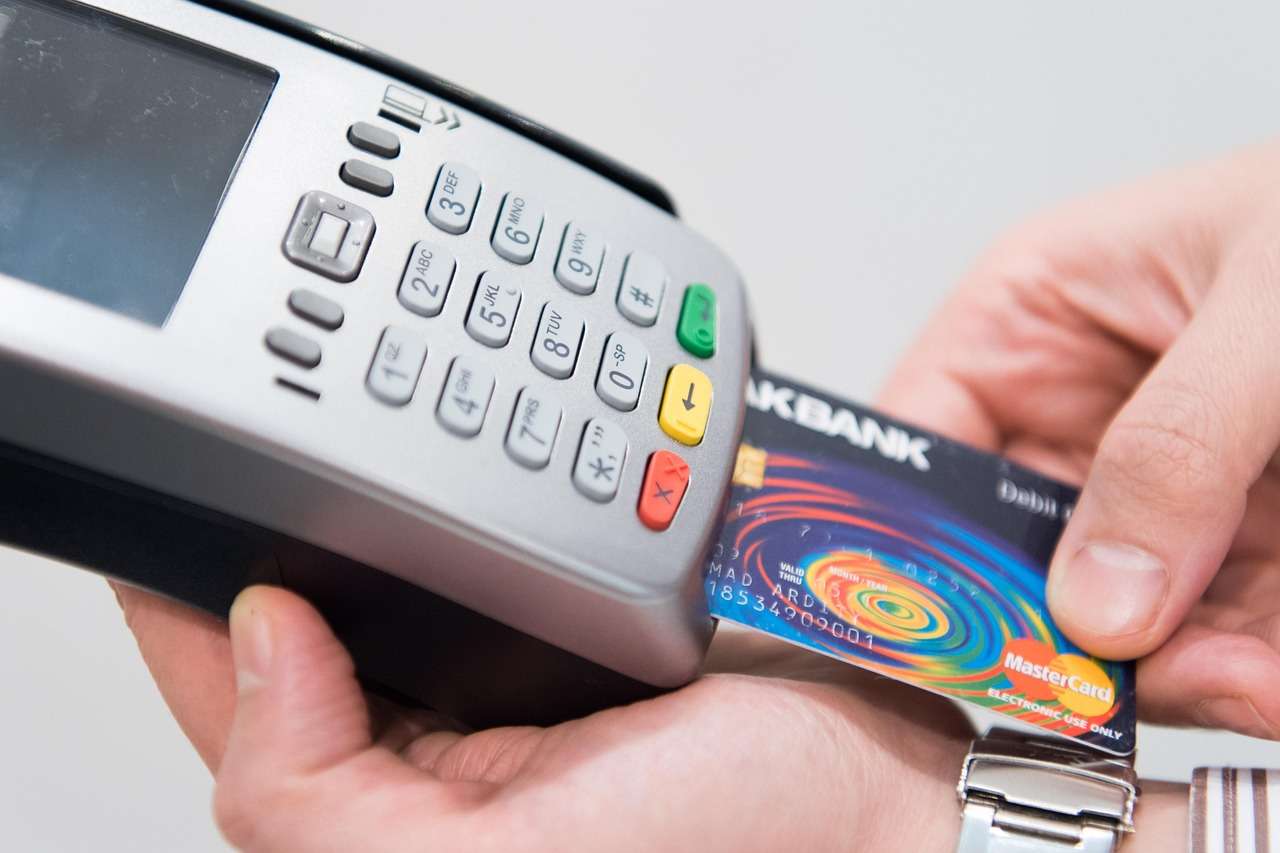
Finance Assets arranges point of sale finance for UK businesses buying EPOS systems, tills, card terminals, self-service kiosks and barcoding equipment.
Point of sale finance spreads the cost of the equipment that takes payments and tracks stock over 2 to 5 years, so a retailer, restaurant group or wholesaler can fit out a new site or roll out new systems across an estate without a large cash outlay. We arrange hire purchase and leasing for hardware, installation and, within limits, the software that runs it. For car park equipment, see our pay and display machine finance guide.
Written by Marcus Wright, founder of Bolton Business Finance Ltd, in financial services since 2008 and a commercial finance broker since 2019. Last reviewed October 2026.
On this page
The short version
- Point of sale finance spreads the cost of tills, card terminals, kiosks and barcoding equipment over 2 to 5 years.
- Terms are usually shorter than for heavy machinery, because payment technology dates quickly.
- Hardware and installation are funded readily. Software can often be included up to a share of the total.
- Rollouts across several sites can go on one facility, with each site added as it goes live.
- Finance Assets arranges point of sale finance for limited companies and LLPs, and for sole traders and partnerships on agreements over £25,000.
| Item | Detail |
|---|---|
| Equipment covered | EPOS systems, tills, card terminals, self-service kiosks and barcoding equipment |
| Deal sizes | From a multi-till store fit-out to a rollout across a whole estate |
| Terms | Usually 2 to 5 years, often 3 to 4 years for payment technology |
| Paid upfront | Hire purchase: often a 10% deposit plus VAT. Leases: usually 1 to 3 rentals in advance |
| New or used | Mostly new, as payment equipment must meet current card security standards. Refurbished hardware from established suppliers is sometimes funded |
| Who we help | Limited companies and LLPs, plus sole traders and partnerships on business agreements over £25,000 |
Point of sale equipment we finance
Lenders will fund most point of sale equipment, provided it comes from an established supplier on a clear, itemised quote.
| Equipment group | Examples |
|---|---|
| EPOS and tills | Touchscreen terminals, cash drawers, receipt printers, customer displays, kitchen display screens and handheld ordering devices |
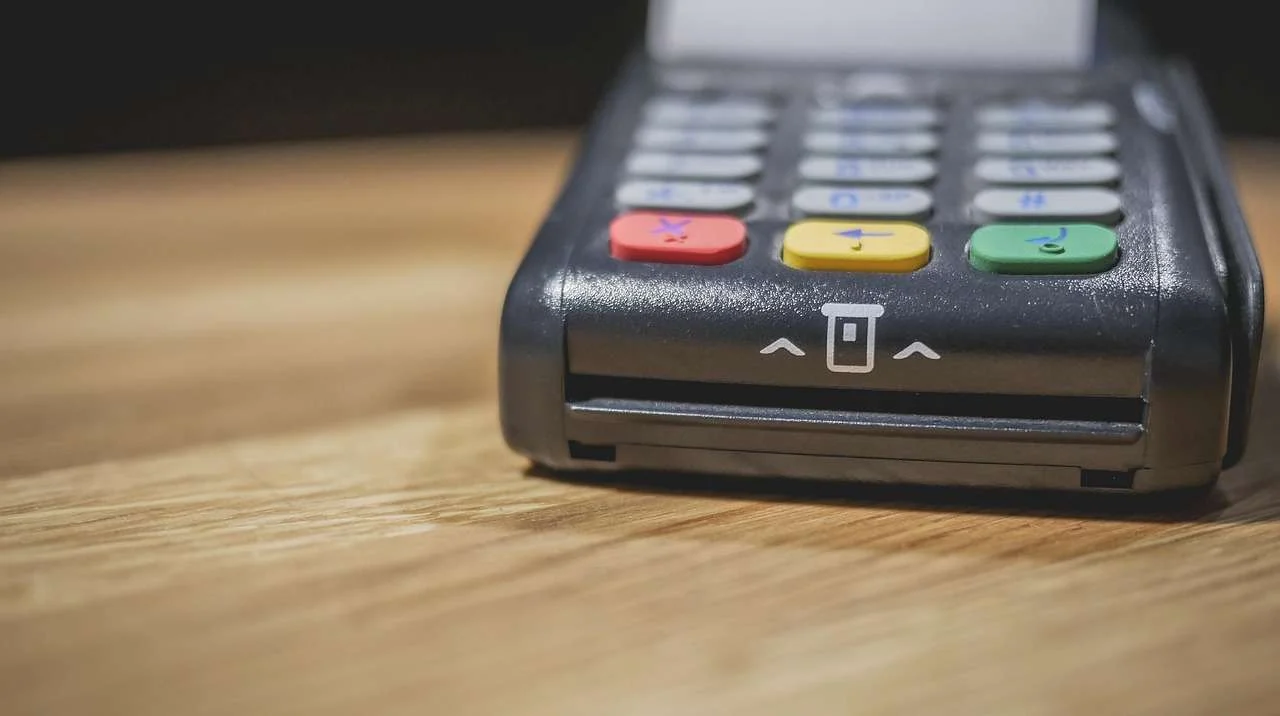
| Card payments | Countertop and portable card terminals, contactless readers and integrated payment devices |
| Self-service | Self-checkout tills, ordering kiosks and cash recyclers |
| Barcoding | Barcode scanners, label and barcode printers, mobile data terminals and stock control systems |
Software, rollouts and barcoding
Point of sale projects often mix hardware with software and services, which affects how lenders treat them.
- Software and set-up. Lenders fund hardware readily, and most will include software licences, configuration and training as long as hardware makes up most of the cost. Ongoing monthly subscriptions are usually paid to the supplier separately.
- Multi-site rollouts. A rollout across several shops or restaurants can be funded under one facility, with each site added as it goes live.
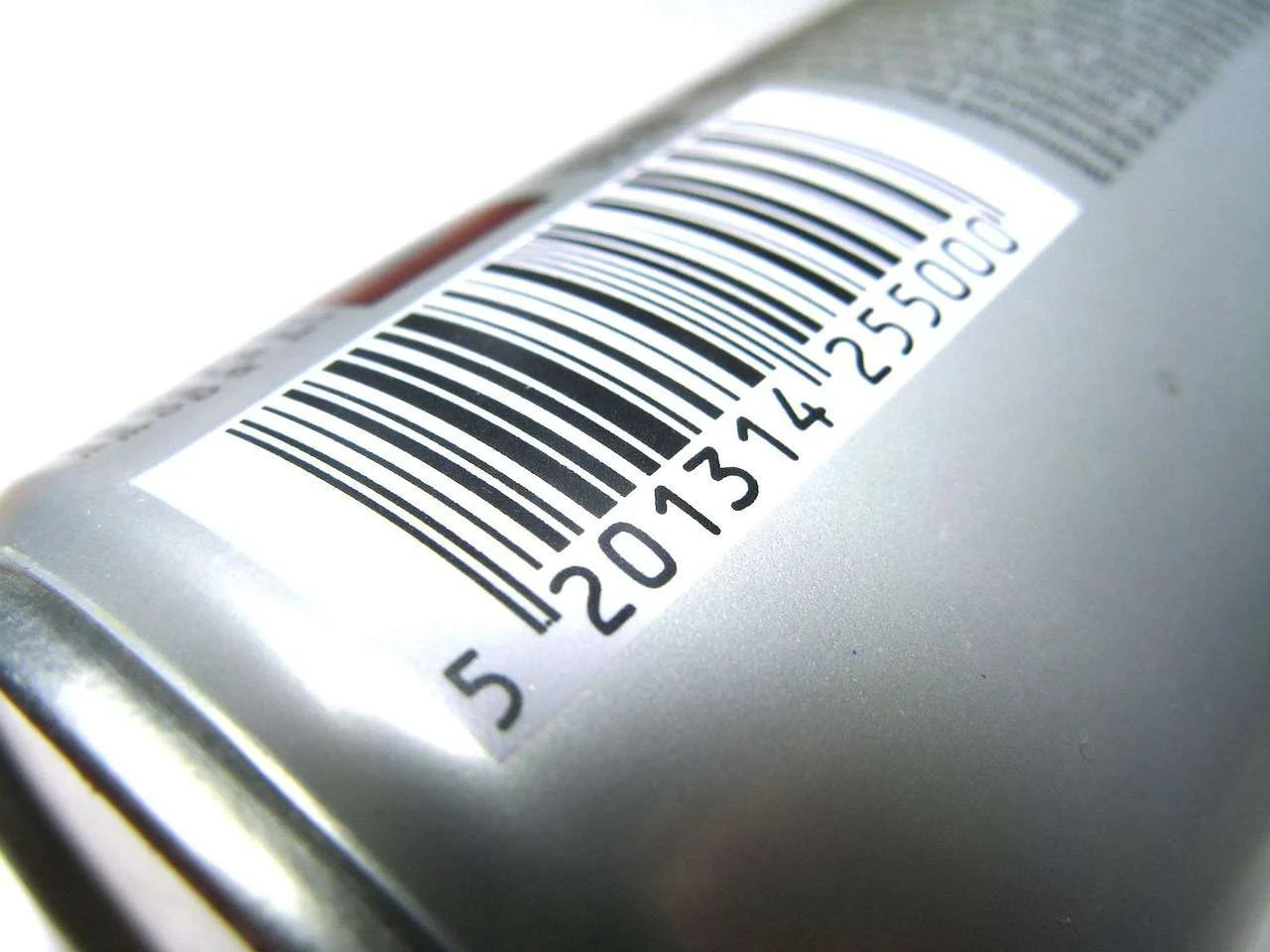
- Barcoding and stock control. Barcode scanners, label printers and mobile data terminals for shops, warehouses and production sites are funded the same way, often alongside a new EPOS or warehouse system.
- Supplier rental schemes. Some payment providers rent card terminals on their own terms. Independent finance lets you choose the hardware and keep it separate from your card processing contract.
Finance options for point of sale equipment
Because payment technology dates quickly, leasing is more common here than for heavy machinery. Our types of asset finance guide covers each option in more depth.
| Type | How it works | Suits |
|---|---|---|
| Hire purchase | A deposit, then fixed monthly payments. You own the equipment after the last one | Barcoding and stock control equipment you will run for many years |
| Finance lease | Rentals with VAT added to each one. The lender owns the equipment | Multi-site rollouts, where VAT on everything at once would strain cash flow |
| Operating lease | Lower rentals set around the equipment’s expected resale value. Hand back or upgrade at the end | EPOS and card terminals you plan to replace every few years |
| Type | VAT | Tax treatment |
|---|---|---|
| Hire purchase | VAT on the full price is paid at the start, and a VAT-registered business usually reclaims it on its next return | The business is treated as the owner, so it may be able to claim capital allowances, such as the annual investment allowance, or full expensing for companies buying new equipment |
| Finance lease | VAT is added to each rental and reclaimed as normal | Rentals are usually deductible as a business expense |
| Operating lease | VAT is added to each rental | Rentals are usually deductible, and the lender claims the capital allowances |
Your accountant can confirm how each option works for your tax position.
Hire purchase for point of sale equipment
Hire purchase for point of sale equipment suits a business that wants to own its tills and scanners. You pay a deposit, often around 10% plus the VAT, then fixed monthly payments, and the equipment becomes yours after the final payment and a small option fee. Hire purchase for barcoding machines works the same way.
Finance lease for point of sale equipment
A finance lease for point of sale equipment spreads the VAT across the rentals, which helps when a business fits out several sites at once. The lender owns the equipment, and at the end you can usually carry on at a small secondary rental, or sell it for the lender and keep most of the proceeds. Finance leases for barcoding machines work on the same basis.
Operating lease for point of sale equipment
An operating lease for point of sale equipment suits a retailer or hospitality group that refreshes its tills and terminals every few years. The rentals are set around what the equipment should be worth at the end, so they are lower than a finance lease, and you hand it back or upgrade when the lease ends. Operating leases for barcoding machines are available on the same terms.
Point of sale finance costs: a worked example
An EPOS rollout across four restaurants, with tills, card terminals, kitchen display screens, software set-up and installation at £36,000, costs about £1,030 a month on a 3-year hire purchase, or about £806 a month over 4 years.
| Item | 3 years | 4 years |
|---|---|---|
| Price (excl. VAT) | £36,000 | £36,000 |
| Deposit (10%) | £3,600 | £3,600 |
| VAT paid upfront | £7,200 | £7,200 |
| Monthly payment | £1,030.31 | £806.28 |
| Total interest | £4,691 | £6,301 |
The longer term lowers the monthly payment by about £224 but adds around £1,610 of interest.
Illustration calculated in October 2026, assuming an interest rate of 9% a year. It is not a quote. Your rate depends on your trading history, credit profile and the equipment.
What lenders look for in point of sale finance applications
Lenders look at the usual financial documents, plus a clear quote and the sites the equipment will serve.
- Accounts and bank statements. The last two years of accounts, recent management accounts and three to six months of business bank statements.
- Supplier quote. An itemised quote showing hardware, software, installation and any support separately.
- Sites. The shops, restaurants or warehouses the equipment is going into, and the premises leases for each.
- Owner or director history. Lenders check the credit records of the directors, partners or owner, and may ask for personal guarantees on newer businesses or larger rollouts.
Related guides
- Pay and display machine finance, including parking meters
- Vending machine finance, including cashless payment systems
- IT equipment finance, for back-office PCs, servers and networking
- Office furniture and fit-out finance, including shopfittings
- Catering equipment finance
- Food, drink and catering finance
- Types of asset finance
- All sectors we finance
Who we can help
We arrange point of sale finance for UK limited companies and LLPs, and for sole traders and partnerships on agreements over £25,000 that are for business purposes. We are not authorised by the FCA, so we cannot arrange agreements of £25,000 or less for sole traders or partnerships of two or three partners, or finance for personal use.
Point of sale finance FAQs
Is point of sale equipment usually on an operating lease or a finance lease?
Both are common. An operating lease suits tills and card terminals you expect to replace within a few years, because the lender takes the resale risk and you hand the equipment back. A finance lease suits equipment you plan to keep for most of its working life, as you carry on at a small secondary rental at the end. Hire purchase is the option if you want to own it.
How much does it cost to finance an EPOS system?
It depends on the number of tills and sites, the software and the term. As an illustration, a £36,000 EPOS rollout across four restaurants costs about £1,030 a month over 3 years on hire purchase at 9%, after a 10% deposit and the VAT paid upfront, or about £806 a month over 4 years.
What does leasing barcoding equipment mean?
It means a lender buys the barcode scanners, label printers or mobile data terminals and rents them to your business for a fixed term. You use the equipment as if it were your own and pay monthly rentals. At the end you hand it back or upgrade, or on a finance lease carry on at a small secondary rental.
Can software be included in EPOS finance?
Usually, up to a point. Most lenders will include software licences, set-up and training on the same agreement as long as hardware makes up most of the cost. Ongoing monthly software subscriptions are normally paid to the supplier separately rather than financed.
Can I roll out tills across several sites on one agreement?
Often, yes. Many lenders set up one facility with a single credit approval, then add each site’s equipment as a new schedule as it goes live. This keeps terms consistent across the estate and saves a fresh application for every store.
Get a point of sale finance quote
Tell us about the equipment
Send us the supplier quote and a few details about your business. We will come back with the options that are realistic and what they are likely to cost.
About the author
Marcus Wright is the owner and founder of Bolton Business Finance Ltd, which trades as Finance Assets. He has worked in financial services since 2008, beginning his career at Santander, and has been a commercial finance broker since March 2019.
He founded Bolton Business Finance in 2020 to give businesses access to the whole lending market rather than one bank’s own product range. The firm is a member of the National Association of Commercial Finance Brokers and works with a panel of 135+ lenders. Call 0161 546 9128.
Finance Assets is a trading name of Bolton Business Finance Ltd, an independent commercial finance brokerage, not a lender. We are not authorised by the Financial Conduct Authority and can only complete non-regulated introductions. All lending is for business purposes only. Registered address: Westgate House, 1 Westgate Avenue, Bolton, Greater Manchester, BL1 4RF. Company number 12495909.