
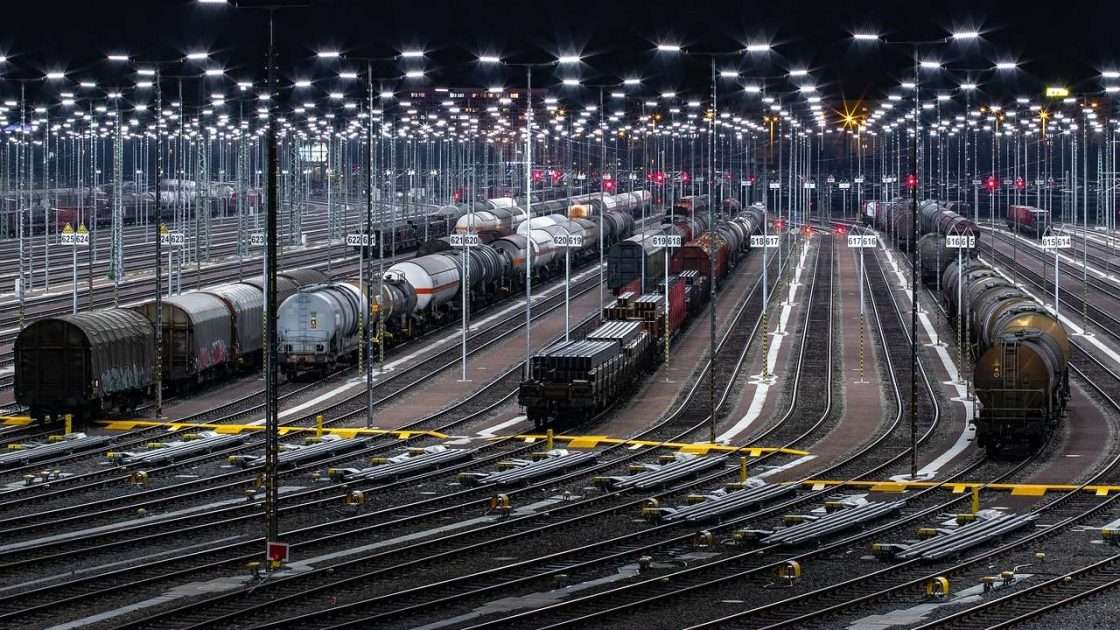
Finance Assets arranges rolling stock finance for UK limited companies buying freight wagons, shunting and mainline locomotives, passenger carriages and the overhauls that keep them running.
Rolling stock finance spreads the cost of rail vehicles over 3 to 7 years, so a rail-served business, rail contractor, industrial site or charter operator can own wagons or a locomotive instead of hiring them. We arrange hire purchase and leasing for smaller rolling stock purchases, from a single shunting locomotive to a rake of refurbished wagons. Large mainline fleets are usually leased directly from wagon lessors and rolling stock companies.
Written by Marcus Wright, founder of Bolton Business Finance Ltd, in financial services since 2008 and a commercial finance broker since 2019. Last reviewed September 2026.
On this page
The short version
- Rolling stock finance spreads the cost of freight wagons, locomotives and passenger carriages over 3 to 7 years.
- We arrange finance for smaller purchases by rail-served businesses, contractors, industrial sites and charter operators.
- Large mainline fleets are usually leased directly from wagon lessors and rolling stock companies.
- Every vehicle on the mainline needs an Entity in Charge of Maintenance, and lenders check who that is.
- Finance Assets arranges rolling stock finance for UK limited companies and LLPs.
| Item | Detail |
|---|---|
| Vehicles covered | Freight wagons, shunting and mainline locomotives, passenger carriages and engineering wagons |
| Deal sizes | From a single shunting locomotive or overhaul to a rake of refurbished wagons |
| Terms | Usually 3 to 7 years, depending on the vehicle’s age and condition |
| Paid upfront | Hire purchase: often a 10% deposit plus VAT. Leases: usually 1 to 3 rentals in advance |
| New or used | Both, including refurbished and overhauled vehicles |
| Who we help | UK limited companies and LLPs |
Rolling stock we finance
Lenders will fund rail vehicles bought by a trading business, provided their condition, certification and use are clear.
| Vehicle group | Examples |
|---|---|
| Freight wagons | Box, hopper, flat and tank wagons for aggregates, cement, containers and bulk products |
| Shunting locomotives | Diesel and battery shunters for ports, quarries, terminals and industrial sidings |
| Mainline locomotives | Used diesel locomotives for charter, spot hire and engineering work |
| Passenger carriages | Coaching stock for charter and tourist trains, including refurbishment |
| Engineering vehicles | Engineering wagons and on-track machines used by rail contractors |
| Overhauls | Heavy overhauls, bogie and wheelset work, and engine rebuilds |
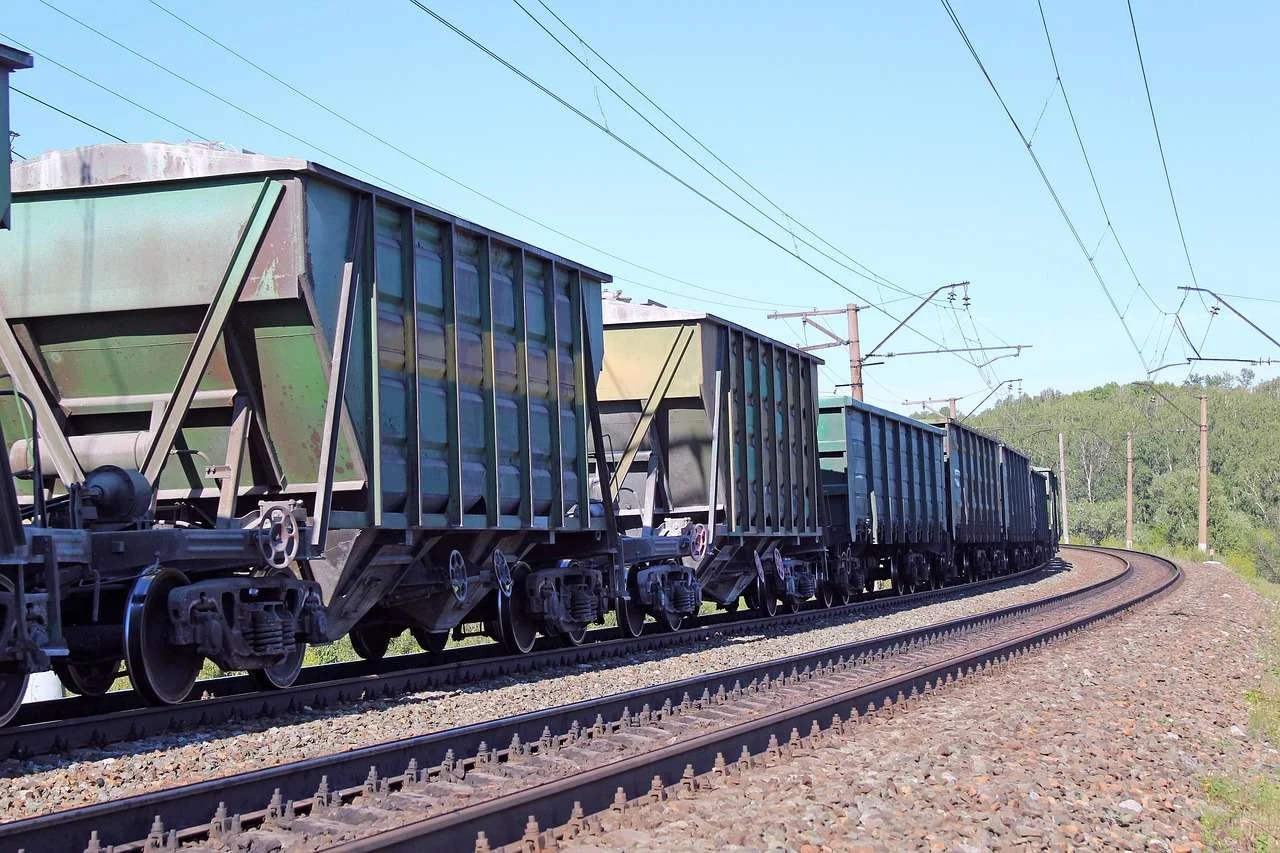
Key commercial terms in a freight wagon lease
Most freight wagons in Britain are leased from specialist wagon lessors rather than owned by the businesses that use them. Whether you lease wagons or buy them on finance, these are the terms that matter most.
- Term and rent. Leases run from short spot hire to many years. Rent is usually fixed per wagon for each month or year, and longer terms bring lower rents.
- Maintenance and the ECM. Every vehicle on the mainline railway must have an Entity in Charge of Maintenance recorded in the National Vehicle Register, and for a freight wagon the ECM must hold a certificate from a competent certification body. The lease says who the ECM is and who pays for planned and unplanned maintenance.
- Mileage and use. Some leases cap mileage or restrict the loads, routes or operators the wagons can be used with.
- Return conditions. The condition the wagons must be in when handed back, including wheels and brakes, and who pays to bring them up to standard.
- Insurance and liability. Who insures the wagons, and who is liable for damage, derailment or loss.
- Sub-hire and early termination. Whether you can sub-lease the wagons to another operator, and what it costs to hand them back early.
Finance options for rolling stock
Hire purchase suits a business that will keep rail vehicles for their long working life, while a lease suits a fixed-length contract. Our types of asset finance guide covers each option in more depth.
| Type | How it works | Suits |
|---|---|---|
| Hire purchase | A deposit, then fixed monthly payments. You own the vehicles after the last one | Wagons and shunters you will run for many years |
| Finance lease | Rentals with VAT added to each one. The lender owns the vehicles | Spreading the VAT, especially on a refurbishment |
| Operating lease | Lower rentals set around the vehicles’ expected value at the end. Hand back at the end | Vehicles needed for a fixed-length contract |
| Type | VAT | Tax treatment |
|---|---|---|
| Hire purchase | VAT on the full price is paid at the start, and a VAT-registered company usually reclaims it on its next return | The company is treated as the owner, so it may be able to claim capital allowances |
| Finance lease | VAT is added to each rental and reclaimed as normal | Rentals are usually deductible as a business expense |
| Operating lease | VAT is added to each rental | Rentals are usually deductible, and the lender claims the capital allowances |
Unlike qualifying ships, rail vehicles are standard-rated for VAT. Your accountant can confirm how each option works for your company’s tax position.
Hire purchase for rolling stock
Hire purchase for rolling stock suits a rail-served business buying freight wagons or a shunter it will keep for many years, since well-maintained rail vehicles can run for decades. You pay a deposit, often around 10% plus the VAT, then fixed monthly payments, and the vehicles become yours after the final payment and a small option fee. A balloon can lower the monthly cost where the vehicles will hold their value.
Finance lease for rolling stock
A finance lease for rolling stock spreads the VAT across the rentals, which helps a charter or tourist operator refurbishing passenger carriages, or a business funding a heavy overhaul. The lender owns the vehicles, and at the end you can usually carry on at a small secondary rental, or sell them for the lender and keep most of the proceeds.
Operating lease for rolling stock
An operating lease for rolling stock suits a business that needs wagons or motive units for a fixed contract. In rail, a motive unit is a vehicle that moves the train, such as a locomotive, rather than a wagon or carriage that is hauled. The rentals are lower because the lender expects the vehicles to have a resale value at the end, but fewer finance lenders offer this, as the resale market for rail vehicles is narrow.
Rolling stock finance costs: a worked example
Eight refurbished bogie hopper wagons at £480,000 cost about £8,968 a month on a 5-year hire purchase, or about £7,695 a month with a 20% balloon.
| Item | Standard | With 20% balloon |
|---|---|---|
| Price (excl. VAT) | £480,000 | £480,000 |
| Deposit (10%) | £48,000 | £48,000 |
| VAT paid upfront | £96,000 | £96,000 |
| Monthly payment (60 months) | £8,967.61 | £7,694.81 |
| Final balloon payment | None | £96,000 |
| Total interest | £106,057 | £125,688 |
The balloon lowers the monthly payment by about £1,273 but adds around £19,632 of interest. The VAT is paid upfront on hire purchase and reclaimed on the next VAT return.
Illustration calculated in September 2026, assuming an interest rate of 9% a year. It is not a quote. Your rate depends on your trading history, credit profile and the vehicles.
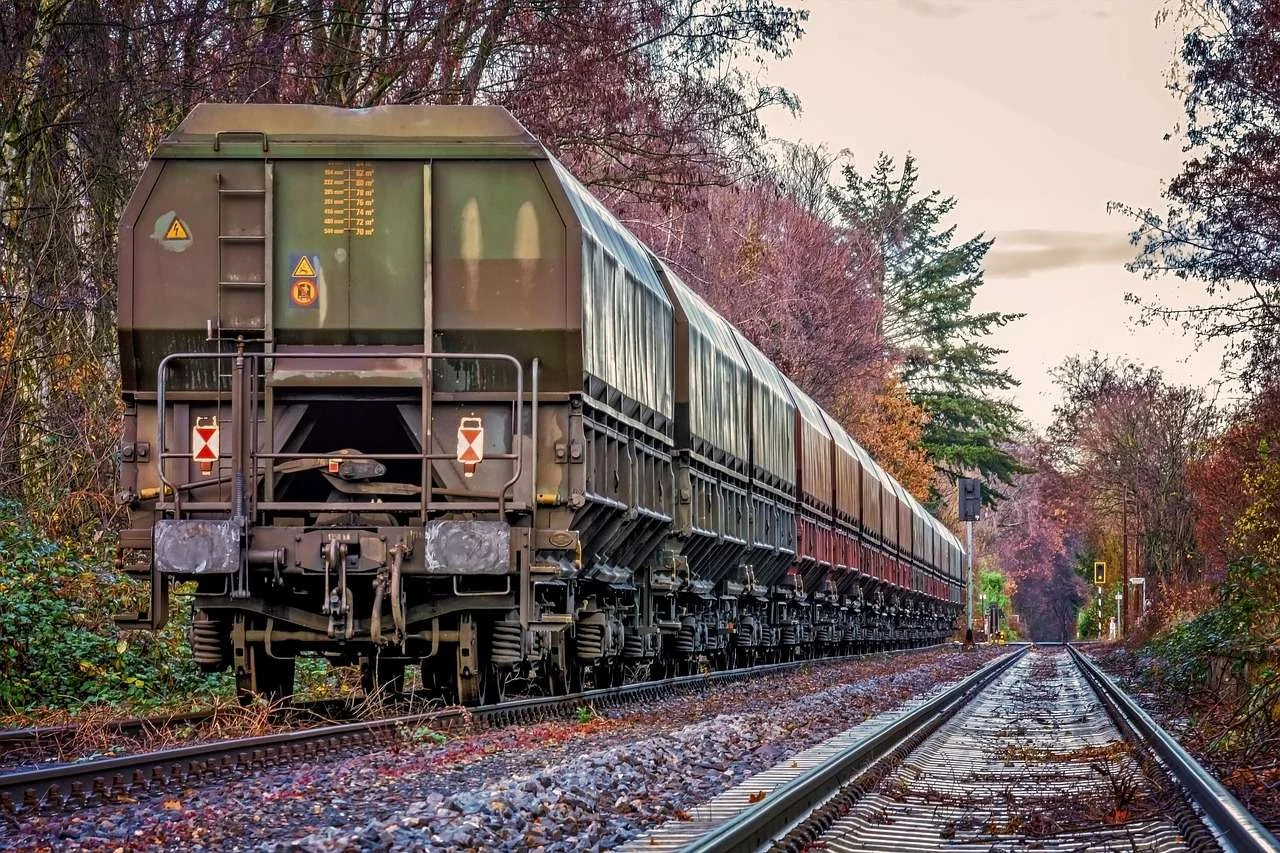
What lenders look for in rolling stock finance applications
Lenders look at the usual financial documents, plus the vehicles’ condition, maintenance arrangements and the work they will do.
- Accounts and bank statements. The last two years of filed accounts, recent management accounts and three to six months of business bank statements.
- Vehicle details. Age, overhaul history, and an inspection or valuation report.
- Maintenance and registration. Who the ECM is and the National Vehicle Register details for mainline vehicles, or the maintenance arrangements for vehicles kept on private sidings.
- Contracts and work. Haulage contracts, the flows the wagons will carry, or charter bookings.
- Director history. Lenders check the directors’ credit records and may ask for personal guarantees on newer companies or larger deals.
Related guides
Who we can help
We arrange rolling stock finance for UK limited companies and LLPs. We are not authorised by the FCA, so we cannot arrange agreements of £25,000 or less for sole traders or small partnerships, or finance for personal use.
Rolling stock finance FAQs
What are the key commercial terms in a freight wagon operating lease?
The main terms are the length of the lease and the rent per wagon, who acts as the Entity in Charge of Maintenance and pays for maintenance, any limits on mileage, loads or routes, the condition the wagons must be returned in, insurance and liability, and whether you can sub-hire the wagons or end the lease early.
What is a wagon leasing company?
A wagon leasing company owns fleets of freight wagons and leases them to freight operators and to businesses that move goods by rail, such as aggregates, cement and container companies. It often acts as the Entity in Charge of Maintenance too, so the lease can include maintenance. Rolling stock companies do the same for locomotives and passenger trains.
What is a motive unit?
In rail, a motive unit, or motive power unit, is a vehicle that provides the power to move a train, such as a diesel or electric locomotive. Wagons and carriages are hauled vehicles. The term covers shunting locomotives used in yards and sidings as well as mainline locomotives.
Can I finance a used locomotive or used wagons?
Yes. Used and refurbished rolling stock can be funded, usually after an inspection or valuation. Lenders look at the vehicle’s age, overhaul history and certification, and whether it will run on the mainline or only on private sidings. Terms are often shorter on older vehicles, and fewer lenders fund locomotives than wagons.
Does a shunting locomotive on private sidings need an ECM?
The ECM requirement applies to vehicles used on the mainline railway, and privately owned infrastructure falls outside the mainline. A shunter that stays on private sidings still needs a proper maintenance regime, and lenders will ask to see it, but it may not need an ECM recorded on the National Vehicle Register. Check the position for your site.
Can a charter train operator get finance for passenger carriages?
Yes. A charter or tourist train operator trading as a limited company can get finance for coaching stock and its refurbishment, based on its accounts, bookings and the condition of the stock. Lenders often fund the refurbishment as well as the purchase, as long as the work is quoted and the carriages will be certified for their use.
Get a rolling stock finance quote
Tell us about the vehicles
Send us the vehicle details, inspection or sale particulars, and a few details about your business. We will come back with the options that are realistic and what they are likely to cost.
About the author
Marcus Wright is the owner and founder of Bolton Business Finance Ltd, which trades as Finance Assets. He has worked in financial services since 2008, beginning his career at Santander, and has been a commercial finance broker since March 2019.
He founded Bolton Business Finance in 2020 to give businesses access to the whole lending market rather than one bank’s own product range. The firm is a member of the National Association of Commercial Finance Brokers and works with a panel of 135+ lenders. Call 0161 546 9128.
Finance Assets is a trading name of Bolton Business Finance Ltd, an independent commercial finance brokerage, not a lender. We are not authorised by the Financial Conduct Authority and can only complete non-regulated introductions. All lending is for business purposes only. Registered address: Westgate House, 1 Westgate Avenue, Bolton, Greater Manchester, BL1 4RF. Company number 12495909.