
Finance Assets arranges five types of asset finance for UK businesses: hire purchase, finance lease, operating lease, contract hire and asset refinance. We work with limited companies and LLPs at any amount, and with sole traders and partnerships on agreements over £25,000.
The main types of asset finance differ in three ways: who owns the equipment, how the VAT is paid, and what happens when the agreement ends. This page compares them side by side, then explains each one in turn, so you can see which fits the machinery, vehicles or equipment you want to fund.
Written by Marcus Wright, founder of Bolton Business Finance Ltd, in financial services since 2008 and a commercial finance broker since 2019. Last reviewed September 2026.
On this page
The short version
- Hire purchase is the usual route when a business wants to own the equipment at the end.
- A finance lease keeps the upfront cost low and spreads the VAT across the rentals, but the lender keeps ownership.
- An operating lease suits equipment you plan to hand back or upgrade, because the lender takes the resale risk.
- Contract hire is an operating lease for vehicles and fleet assets, often with maintenance included.
- Asset refinance raises cash against equipment the business already owns.
The types of asset finance compared
The biggest difference between the types of asset finance is ownership. With hire purchase the equipment becomes yours, and with every type of lease it stays with the lender.
| Type | How it works | Best for |
|---|---|---|
| Hire purchase | A deposit, then fixed monthly payments. You own the asset after the final payment and a small option fee | Equipment you will keep for most of its working life |
| Finance lease | Rentals over most of the asset’s life. The lender owns it, and you can extend or share in the sale proceeds at the end | Keeping deposits and VAT outlay low |
| Operating lease | Rentals for part of the asset’s life, priced around its expected resale value. You hand it back or upgrade at the end | Equipment that dates quickly or that you replace on a cycle |
| Contract hire | An operating lease for vehicles, trailers and forklift trucks, often with maintenance and servicing built in | Fleets where fixed monthly running costs matter |
| Asset refinance | A lender advances cash against equipment you own, which you repay over an agreed term | Releasing cash for new equipment or working capital |
| Type | Ownership and VAT | Tax treatment, usually |
|---|---|---|
| Hire purchase | You own it at the end. VAT on the full price is usually paid upfront and reclaimed on your VAT return | You may be able to claim capital allowances, and the interest is usually deductible |
| Finance lease | The lender owns it. VAT is added to each rental | Rentals are usually an allowable business expense |
| Operating lease | The lender owns it. VAT is added to each rental | Rentals are usually an allowable business expense |
| Contract hire | The lender owns it. VAT is added to each rental, and recovery on cars is usually restricted | Rentals are usually an allowable business expense, though some cars carry restrictions |
| Asset refinance | Depends on the structure. On a sale and hire purchase back, you own the asset again at the end | Depends on the structure |
Tax treatment depends on your circumstances and can change. Check it with your accountant before you choose a type of finance.
Hire purchase
Hire purchase lets a business spread the cost of an asset over a fixed term and own it once the final payment is made. You usually pay a deposit, often around 10% plus the VAT, then fixed monthly payments over 1 to 7 years. A small option to purchase fee transfers ownership at the end.
Because you are treated as the owner for tax from the start, you may be able to claim capital allowances against the cost. Hire purchase suits core equipment you expect to run for years, such as plant, machine tools and commercial vehicles.
Finance lease
A finance lease gives a business the use of an asset for most of its working life without buying it. You pay rentals, usually with 1 to 3 in advance, and VAT is added to each one rather than paid upfront. The lender owns the asset throughout.
At the end of the primary period you can usually keep using the asset for a small secondary rental, or sell it on the lender’s behalf and receive most of the proceeds. A finance lease suits businesses that want to keep cash and VAT outlay low on equipment they will use for a long time.
Operating lease
An operating lease rents an asset for part of its working life, with rentals based on the gap between its price and its expected value at the end. The lender takes that resale risk, so rentals can be lower than on a finance lease. At the end you hand the asset back, extend the agreement or move to newer equipment.
Operating leases work best for well-known brands that hold their value, and for technology you expect to replace every few years, such as IT, medical and automation equipment.
Contract hire
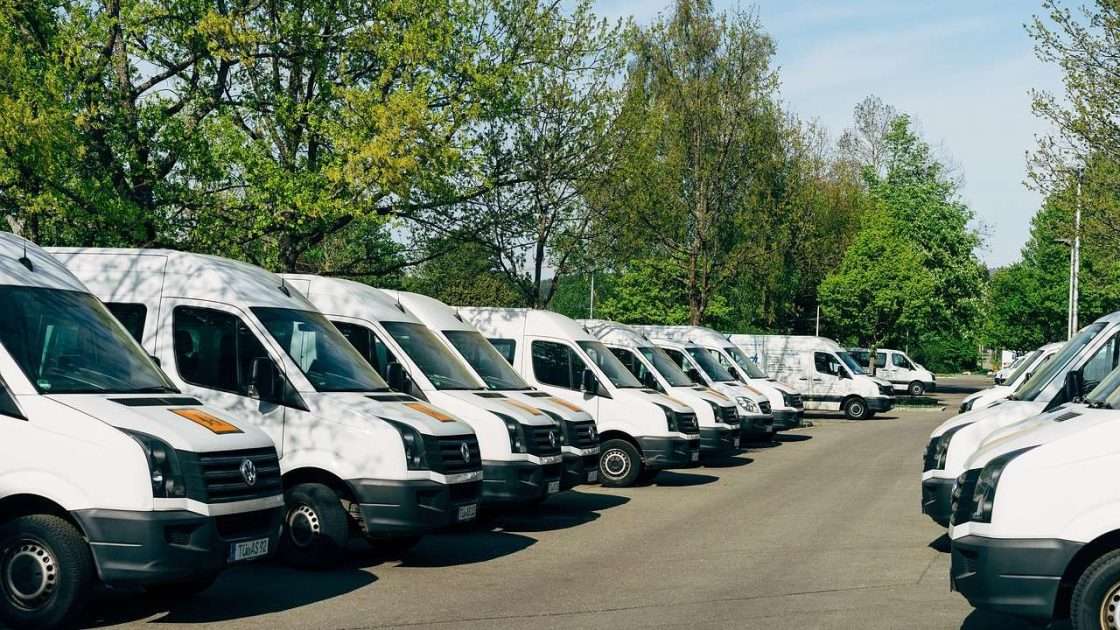
Contract hire is an operating lease for vehicles and other fleet assets, such as vans, HGVs, trailers and forklift trucks. You pay a fixed monthly rental for an agreed term and mileage, and the vehicle goes back at the end.
Many agreements can include maintenance, servicing and tyres, which turns fleet running costs into one predictable monthly figure. Excess mileage and damage beyond fair wear and tear are charged at the end, so the mileage needs to be set realistically from the start.
Asset refinance
Asset refinance raises cash against equipment a business already owns, or restructures finance it already has. In a sale and hire purchase back, the lender buys the asset from you and sells it back over a fixed term, so you keep using it and own it again at the end. In a sale and leaseback, the lender buys the asset and leases it back to you.
Businesses use refinance to fund new equipment, a contract win or working capital. The amount available depends on the asset’s current value, its age and how the lender views the business.

Which type of asset finance fits
Three questions narrow it down quickly.
- Do you want to own it at the end? Hire purchase, or asset refinance for equipment you already own.
- Is keeping cash and VAT outlay low the priority? A finance lease.
- Will you replace it within a few years? An operating lease, or contract hire for vehicles.
We compare the options for each deal, because the structure that works can change with the asset, its age and the lender.
Deposits, balloon payments and terms
- Terms usually run from 1 to 7 years, matched to how long the asset will stay productive in the business.
- Deposits on hire purchase are often around 10%, and some lenders will fund the full cost for established businesses. Leases usually need 1 to 3 rentals in advance.
- Balloon payments defer part of the cost to the end of a hire purchase agreement. This lowers the monthly payment but leaves a larger final sum to plan for.
- Used and imported equipment can be funded on most types, although older assets may be offered shorter terms.
Equipment we finance
Our equipment hubs group the guides by sector, covering the machinery we fund and how each type of asset finance applies to it.
- Manufacturing and engineering equipment finance
- Transport and haulage finance
- Food, drink and catering finance
Who we can help
We arrange asset finance for UK limited companies and LLPs, and for sole traders and partnerships on agreements over £25,000 that are for business purposes. We are not authorised by the FCA, so we cannot arrange agreements of £25,000 or less for sole traders or partnerships of two or three partners, or finance for personal use.
Types of asset finance FAQs
What are the main types of asset finance?
The main types of asset finance are hire purchase, finance lease, operating lease, contract hire and asset refinance. Hire purchase leads to ownership, the three types of lease keep the asset with the lender, and asset refinance raises cash against equipment a business already owns. The right one depends on whether you want to own the asset and how long you will use it.
What is the difference between hire purchase and a finance lease?
With hire purchase you own the asset once the final payment is made, and the VAT is usually paid upfront. With a finance lease the lender owns the asset throughout, and VAT is added to each rental. Hire purchase may let you claim capital allowances, while lease rentals are usually an allowable business expense. Check the tax treatment with your accountant.
What is the difference between a finance lease and an operating lease?
A finance lease covers most of the asset’s working life, and you usually share in the sale proceeds at the end. An operating lease covers only part of its life, with rentals based on its expected resale value, and you hand it back at the end. The lender takes the resale risk on an operating lease, so the rentals can be lower.
Is contract hire the same as leasing?
Contract hire is a type of operating lease used mainly for vehicles, trailers and forklift trucks. You pay a fixed rental for an agreed term and mileage, then hand the vehicle back. Many contract hire agreements can also include maintenance and servicing, which is the main difference from an operating lease on other equipment.
Can I use asset finance for used equipment?
Yes. Used equipment from dealers is widely funded on hire purchase and finance lease, and some lenders will fund auction or private purchases after an inspection or valuation. Operating leases and contract hire are more common on newer assets, because the rentals depend on a predictable resale value. Older equipment may be offered a shorter term.
Can a new business get asset finance?
Yes, although lenders look more closely at companies with a short trading history. Hire purchase and finance leases on assets that hold their value are usually the easiest to arrange, because the equipment gives the lender security. A larger deposit or a personal guarantee from the directors may be needed.
Get an asset finance quote
Tell us what you want to finance
Send us the asset, the price and a few details about your business. We will come back with the types of asset finance that are realistic and what they are likely to cost.
About the author
Marcus Wright is the owner and founder of Bolton Business Finance Ltd, which trades as Finance Assets. He has worked in financial services since 2008, beginning his career at Santander, and has been a commercial finance broker since March 2019.
He founded Bolton Business Finance in 2020 to give businesses access to the whole lending market rather than one bank’s own product range. The firm is a member of the National Association of Commercial Finance Brokers and works with a panel of 135+ lenders. Call 0161 546 9128.
Finance Assets is a trading name of Bolton Business Finance Ltd, an independent commercial finance brokerage, not a lender. We are not authorised by the Financial Conduct Authority and can only complete non-regulated introductions. All lending is for business purposes only. Registered address: Westgate House, 1 Westgate Avenue, Bolton, Greater Manchester, BL1 4RF. Company number 12495909.