
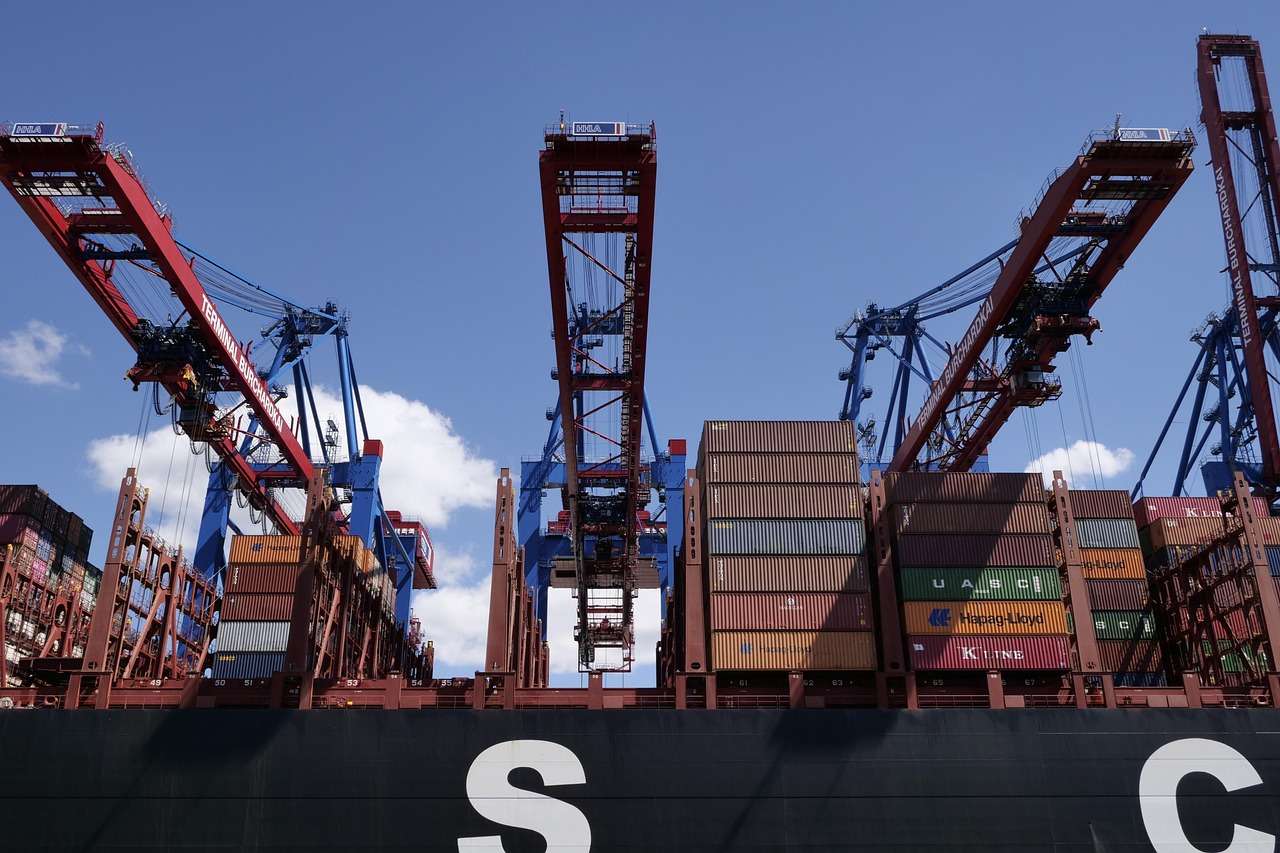
Finance Assets arranges asset finance for shipping and port operations, helping UK port and terminal operators, stevedores, ro-ro and freight businesses, marinas and boatyards fund reach stackers, terminal tractors, mobile harbour cranes, material handlers, ro-ro trailers, boat hoists and shore power equipment.
Asset finance for shipping and port operations spreads the cost of handling equipment over 3 to 7 years, so throughput and storage income pays for the kit as it is used. It suits operators adding capacity for a new shipping line or cargo contract, replacing ageing diesel equipment with electric, and businesses around a port that need their own handling fleet.
Written by Marcus Wright, founder of Bolton Business Finance Ltd, in financial services since 2008 and a commercial finance broker since 2019. Last reviewed October 2026.
On this page
The short version
- Asset finance lets port and shipping businesses spread the cost of handling equipment over 3 to 7 years.
- Reach stackers, terminal tractors and container handlers have strong used markets, which lenders like.
- Lenders look at your berth, quay or site lease and at the contracts with shipping lines and cargo owners.
- Mobile equipment is straightforward to fund. Fixed cranes, quays and grid connections usually need another route.
- Finance Assets arranges asset finance for businesses trading as limited companies and LLPs, and for sole traders and partnerships on agreements over £25,000.
| Item | Detail |
|---|---|
| Equipment covered | Reach stackers, container handlers, terminal tractors, mobile harbour cranes, material handlers, heavy forklifts, ro-ro trailers, boat hoists, shore power and security equipment |
| Terms | Usually 3 to 7 years, and longer for high-value cranes with some lenders |
| Paid upfront | Hire purchase: often a 10% deposit plus VAT. Leases: usually 1 to 3 rentals in advance |
| New or used | New and used, including used handling equipment from UK and European dealers |
| Extras | Delivery, commissioning, attachments and operator training can often be included |
| Who we help | Limited companies and LLPs, plus sole traders and partnerships on business agreements over £25,000 |
Port equipment we finance
Lenders will fund most of the mobile equipment that moves cargo through a port or terminal. Each group links to our detailed guide where we have one.
| Equipment group | Examples |
|---|---|
| Container handling | Reach stackers, empty container handlers, laden container handlers and straddle carriers |
| Terminal vehicles | Terminal tractors (tugmasters), port trailers and cassettes, and yard shunters |
| Ro-ro equipment | Unaccompanied trailers and roll trailers. See HGV trailer finance |
| Cranes and lifting | Mobile harbour cranes, crawler cranes, spreaders and lifting attachments |
| Bulk handling | Material handlers, grabs, wheel loaders, mobile hoppers and conveyors |
| Warehousing | Heavy forklifts, telehandlers and racking for port-side warehouses. See forklift truck finance and pallet racking finance |
| Marinas and boatyards | Boat hoists, travel lifts, boat movers, hydraulic trailers and floating pontoons |
| Power and electrification | Shore power units, charging for electric handling equipment, reefer power and generators |
| Security and systems | CCTV, gate automation, number plate recognition, weighbridges and terminal IT. See IT equipment finance |
For the vessels themselves, such as tugs, pilot boats, workboats and crew transfer vessels, see commercial vessel finance.
How port businesses use asset finance
Port businesses usually turn to asset finance when cargo volumes change or equipment needs replacing.
- Winning new cargo. Adding reach stackers or material handlers when a new shipping line or bulk contract starts calling.
- Replacing ageing equipment. Handling equipment works hard around the clock. Replacing it before breakdowns become frequent protects turnaround times.
- Going electric. Electric terminal tractors, forklifts and material handlers, plus their chargers, cut fuel costs and help meet a port’s emissions targets.
- Shore power. Letting vessels switch off engines at berth, which cuts noise and emissions near towns.
- Releasing cash. Equipment you already own can be refinanced to fund growth or another site.
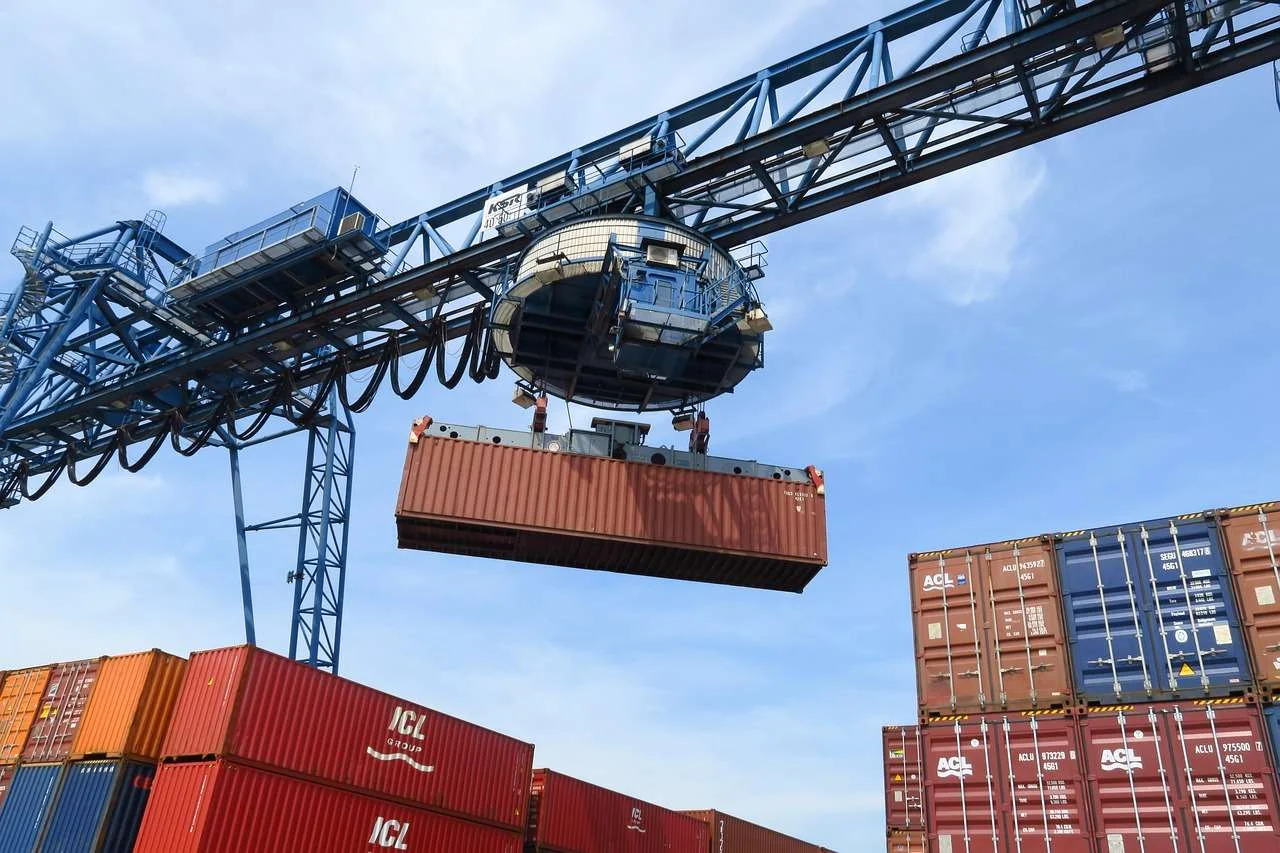
Ports, terminals, marinas and port-side businesses
Each type of business earns its money differently, and lenders look at that closely.
- Port and terminal operators. Lenders look at throughput, the shipping lines and cargo owners using the port, and how long their agreements run. Trust ports and council-owned ports have borrowing powers set by their own rules, which lenders will check.
- Stevedores and cargo handlers. Businesses that load and unload ships under contract. Lenders look at the contracts and at whether the equipment could be used elsewhere if one ended.
- Ro-ro and freight businesses. Hauliers and forwarders running unaccompanied trailers through ferry ports, and their own yard tractors.
- Inland ports and rail-connected terminals. Container handling plus links to rail. See rolling stock finance for wagons and shunting locomotives.
- Marinas and boatyards. Boat hoists, movers and pontoons, funded on the back of berthing, storage and repair income.
Mobile equipment and fixed infrastructure
Asset finance works best for equipment a lender could remove and sell if it had to. Port handling equipment is well suited, because there is an international market for used reach stackers, terminal tractors and mobile cranes.
- Usually fundable. Reach stackers, container handlers, terminal tractors, mobile harbour cranes, material handlers, boat hoists, and shore power units that can be removed.
- Harder. Rail-mounted cranes and floating pontoons are possible with some lenders, often at shorter terms or with extra security.
- Not asset finance. Quay walls, dredging, piling, paving and grid connections are usually funded with a commercial mortgage, a business loan or grants.
Ship leasing and charters explained
Shipping uses its own terms for leasing, and they are often confused.
- Bareboat charter. The charterer takes over the ship and runs it with its own crew for an agreed period. It works much like a lease, and it is the legal form most ship leases take.
- Time charter. The owner provides a crewed ship for a period, and the charterer decides where it goes. This is hiring a service, not leasing an asset.
- Voyage charter. The ship is hired for a single voyage, with the owner running it.
- Finance lease in shipping. A bareboat charter where the rentals repay the cost of the ship, often with an option or obligation to buy it at the end.
- Operating lease in shipping. A shorter bareboat charter where the owner keeps the ship’s value at the end and the charterer hands it back.
Large ocean-going ships are financed through specialist shipping banks and leasing houses. We help smaller operators with workboats, tugs and coastal vessels through commercial vessel finance.
Finance options for port and shipping businesses
Port businesses usually buy long-life handling equipment on hire purchase, and lease equipment tied to a single contract. Our types of asset finance guide covers each option in more depth.
| Type | How it works | Suits |
|---|---|---|
| Hire purchase | A deposit, then fixed monthly payments. You own the equipment after the last one | Reach stackers, cranes and material handlers you will keep |
| Finance lease | Rentals with VAT added to each one. The lender owns the equipment | Spreading the cost of high-value equipment without a large deposit |
| Operating lease | Lower rentals priced around the expected resale value. You hand it back at the end | Equipment matched to a fixed-length cargo or handling contract |
| Refinance | Raising money against equipment you already own | Releasing cash for growth, a new site or working capital |
Hire purchase for port and shipping businesses
Hire purchase for port and shipping businesses is the usual way to buy reach stackers, material handlers and mobile cranes that will work for many years. You pay a deposit, often around 10% plus the VAT, then fixed monthly payments, and the equipment is yours after the last one. You are treated as the owner for tax from the start, so you may be able to claim capital allowances.
Finance lease for port and shipping businesses
A finance lease for port and shipping businesses adds VAT to each rental instead of asking for it upfront. The lender keeps ownership. At the end you can usually keep using the equipment for a small secondary rental, or sell it and receive most of the proceeds.
Operating lease for port and shipping businesses
An operating lease for port and shipping businesses matches the equipment to the length of a contract. Rentals are set around what the equipment should be worth at the end, which is often strong for container handling equipment, and you hand it back when the term finishes.
Refinancing port equipment
If you own handling equipment outright, a lender can buy it and lease it back, or lend against it. It raises cash quickly without putting the port or site up as security.
VAT and tax for port and shipping businesses
Port and terminal operators are usually VAT registered and reclaim VAT on handling equipment. Some ships and certain services connected with them can be zero-rated, which commercial vessel finance covers. On hire purchase, VAT on the full price is paid at the start and reclaimed later. On a lease, it is added to each rental. With hire purchase you may be able to claim capital allowances, and lease rentals are usually an allowable business expense. Check the VAT and tax treatment with your accountant.
Port equipment finance costs: a worked example
A £300,000 package, with a used reach stacker and two terminal tractors, costs about £6,719 a month on a 4-year hire purchase, or about £5,605 a month over 5 years.
| Item | 4 years | 5 years |
|---|---|---|
| Equipment price (excl. VAT) | £300,000 | £300,000 |
| Deposit (10%) | £30,000 | £30,000 |
| VAT paid upfront | £60,000 | £60,000 |
| Monthly payment | £6,718.96 | £5,604.76 |
| Total interest | £52,510 | £66,285 |
The longer term lowers the monthly payment by about £1,114 but adds around £13,775 of interest. If you are VAT registered, the £60,000 VAT is usually reclaimed on your next return, but you need the cash to pay it first.
Illustration calculated in October 2026, assuming an interest rate of 9% a year. It is not a quote. Your rate depends on your trading history, credit profile and the equipment.
What lenders look for in port and shipping businesses
Lenders look at the usual financial documents, plus the site rights and contracts that are specific to ports.
- Your last 2 years of filed accounts, or management accounts and a forecast for newer businesses
- Your last 3 to 6 months of business bank statements
- Details of your berth, quay or site lease or concession, and how long it runs
- The contracts with shipping lines, cargo owners or the port authority that the equipment will serve
- Equipment quotes, with hours and inspection reports for used equipment, plus photo ID and address history for each director, member or partner
Related guides
Who we can help
We arrange asset finance for port, terminal, marina and shipping businesses that trade as UK limited companies and LLPs, and for sole traders and partnerships on agreements over £25,000 that are for business purposes. We are not authorised by the FCA, so we cannot arrange agreements of £25,000 or less for sole traders or partnerships of two or three partners, or finance for personal use.
Asset finance for shipping and port operations FAQs
Can a used reach stacker be financed?
Yes. Used reach stackers have a strong resale market, so lenders are comfortable funding them. They will want the hours, age and an inspection report, and the age at the end of the term affects the term offered.
Can mobile harbour cranes be financed?
Yes. Mobile harbour cranes are high-value equipment, usually funded by lenders that specialise in larger assets, sometimes over longer terms. Rail-mounted and fixed cranes are harder.
What is the difference between a bareboat charter and a time charter?
Under a bareboat charter, the charterer takes over and crews the ship, much like a lease. Under a time charter, the owner provides a crewed ship and the charterer directs where it goes.
How much does port equipment finance cost?
It depends on the equipment, the term and your business. As an illustration, a £300,000 package of a used reach stacker and two terminal tractors costs about £6,719 a month over 4 years on hire purchase at 9%, after a 10% deposit and the VAT paid upfront, or about £5,605 a month over 5 years.
Can a marina finance a boat hoist?
Yes. Boat hoists, travel lifts and boat movers can be funded, with the marina’s berthing and storage income supporting the payments.
Can you fund quay or berth improvements?
Not with asset finance, as quays, dredging and paving cannot be removed and resold. Those are usually funded with a commercial mortgage, a business loan or grants. The equipment used on the quay can be asset financed.
Get an asset finance quote for your port business
Tell us what you want to finance
Send us the equipment, the prices and a few details about your operation and contracts. We will come back with the options that are realistic and what they are likely to cost.
About the author
Marcus Wright is the owner and founder of Bolton Business Finance Ltd, which trades as Finance Assets. He has worked in financial services since 2008, beginning his career at Santander, and has been a commercial finance broker since March 2019.
He founded Bolton Business Finance in 2020 to give businesses access to the whole lending market rather than one bank’s own product range. The firm is a member of the National Association of Commercial Finance Brokers and works with a panel of 135+ lenders. Call 0161 546 9128.
Finance Assets is a trading name of Bolton Business Finance Ltd, an independent commercial finance brokerage, not a lender. We are not authorised by the Financial Conduct Authority and can only complete non-regulated introductions. All lending is for business purposes only. Registered address: Westgate House, 1 Westgate Avenue, Bolton, Greater Manchester, BL1 4RF. Company number 12495909.