
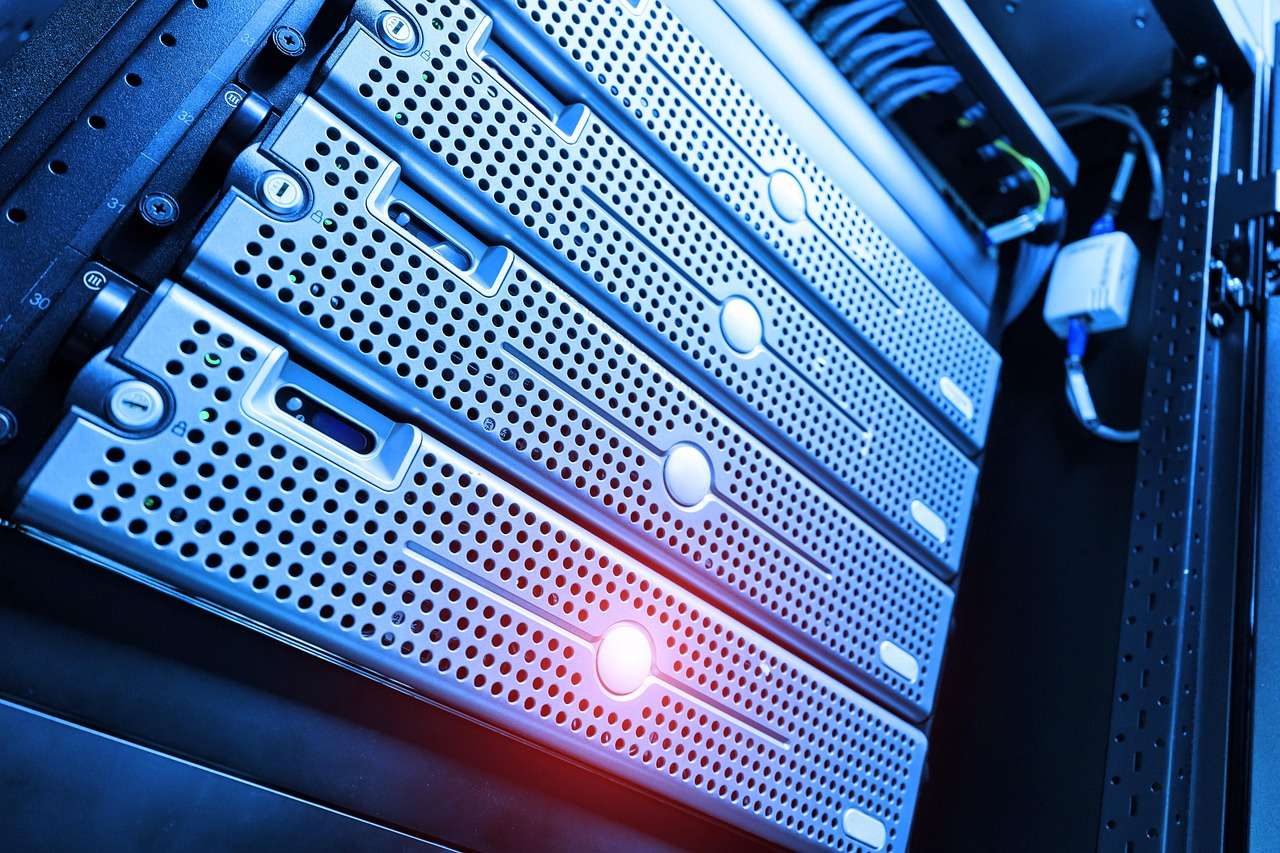
Finance Assets arranges hire purchase and leasing for UK businesses buying laptops, desktop PCs, servers, mainframes, mid-range systems, networking equipment, data storage and scanners.
IT equipment finance spreads the cost over 2 to 5 years, usually 3, so you can equip new staff, refresh an ageing estate or upgrade your data centre without a large cash outlay. We are a broker, not a lender, so we compare quotes from our lender panel rather than offering one bank’s product.
Written by Marcus Wright, founder of Bolton Business Finance Ltd, in financial services since 2008 and a commercial finance broker since 2019. Last reviewed October 2026.
On this page
The short version
- IT equipment finance usually runs over 3 years, matching the warranty and useful life of most kit, with terms from 2 to 5 years.
- Leasing is more common than hire purchase for IT, because equipment dates quickly and leases make regular upgrades easier.
- Software, installation and support can often be included alongside the hardware, up to a limit.
- Smaller items such as laptops are usually bundled into one agreement for a whole team or refresh.
- Finance Assets arranges this finance for limited companies and LLPs, and for sole traders and partnerships on agreements over £25,000. We do not arrange finance for personal or student use.
| Item | Detail |
|---|---|
| Equipment covered | Laptops, desktop PCs, workstations, servers, mainframes, mid-range systems, networking, disk, tape and optical storage, and scanners |
| Terms | Usually 3 years, with terms from 2 to 5 years depending on the equipment |
| Paid upfront | Leases: usually 1 to 3 rentals in advance. Hire purchase: often a 10% deposit plus VAT |
| New or used | Mostly new. Refurbished enterprise servers, storage and mainframes from specialist resellers can also be funded |
| Extra costs | Software licences, installation, configuration and support can often be included up to a limit |
| Who we help | Limited companies and LLPs, plus sole traders and partnerships on business agreements over £25,000 |
IT equipment we finance
Lenders will fund most business IT, from a laptop refresh for a small office to a mainframe upgrade. Each main type of equipment is covered in its own section below.
| Equipment | Typical term | Usual finance |
|---|---|---|
| Laptops and tablets | 2 to 3 years | Operating lease or finance lease, bundled for a team |
| Desktop PCs and workstations | 3 to 4 years | Finance lease or hire purchase |
| Servers and file servers | 3 to 5 years | Finance lease or hire purchase |
| Mainframes | 3 to 5 years | Operating lease or finance lease through specialist lessors |
| Mid-range systems | 3 to 5 years | Finance lease or operating lease |
| Networking equipment | 3 to 5 years | Finance lease or hire purchase |
| Disk storage | 3 to 5 years | Finance lease or operating lease |
| Magnetic tape storage | 3 to 5 years | Hire purchase or finance lease |
| Optical storage | 3 to 5 years | Hire purchase or finance lease |
| Scanners | 3 to 5 years | Hire purchase or finance lease |
Laptop finance
Laptops are the most common IT purchase for growing businesses. Because each one is a small amount, lenders usually fund them as a batch, such as a whole team or an office refresh, rather than one at a time.
- Match the term to the warranty. Most business laptops come with a 3-year warranty, so a 3-year lease means you hand back or replace machines as the warranty ends.
- Accessories and set-up. Docking stations, monitors, bags, device management software and configuration can usually go on the same agreement.
- Adding staff mid-term. Some lenders will add new laptops to an existing schedule, so a growing team stays on one agreement with one end date.
- The advantage of hire purchase. Hire purchase spreads the cost while the business owns the laptops at the end, which suits machines you plan to keep beyond the warranty.
We see laptops from Dell, Lenovo, HP, Apple and Microsoft Surface, plus business tablets and rugged devices for field teams.

Desktop PC and workstation finance
Desktop PCs usually last a little longer than laptops, so 3 to 4 year terms are common. High-end workstations hold more value and are often funded on their own.
- Office PCs. Desktop PCs, all-in-ones and monitors for offices, call centres and reception desks, usually funded as a batch.
- CAD and design workstations. Workstations for engineers, architects and designers, often with professional graphics cards and large monitors.
- GPU and AI workstations. Multi-GPU workstations for rendering, video and AI work can be expensive, and lenders fund them in the same way as other IT.
Server and file server finance
Servers run a business’s systems, files and applications. Many firms still keep servers on site or in a colocation data centre alongside cloud services.
- What is covered. Rack and tower servers, small office file servers, hyperconverged systems, GPU servers, racks, UPS units and cooling.
- Funding a refresh as one project. Servers, storage, switches, licences and installation for a full infrastructure refresh can go on one agreement.
- Refurbished servers. Refurbished enterprise servers from established resellers can be funded, often on shorter terms.
We regularly see servers from Dell, HPE, Lenovo and Cisco.

Mainframe finance
Mainframes still run core systems in banking, insurance, retail and government. They are large purchases, and leasing has long been the usual way to pay for them.
- Specialist lessors. Mainframes are usually funded through lessors who understand the hardware and the used market, rather than general equipment lenders.
- Operating leases. Because mainframes have an established resale market, operating leases are common, with lower rentals and the option to upgrade at the end.
- Capacity upgrades. Processor and memory upgrades during the term can often be added to the existing lease.
- Used systems. Used and refurbished mainframes from specialist dealers are funded, which suits firms running older software or adding backup capacity.
Most mainframe work today involves IBM Z systems and their storage.
Mid-range system finance
Mid-range systems sit between servers and mainframes. The best known is IBM Power running IBM i, the successor to the AS/400, still widely used in distribution, manufacturing, finance and insurance.
- Hardware refresh. Moving to a newer Power system to keep support and improve performance can be funded with the migration work.
- Disaster recovery. A second system for backup and recovery can be funded on the same agreement or separately.
- Leasing options. As with mainframes, operating leases are available through specialist lessors, as well as finance leases.
Networking equipment finance
Networking equipment connects everything else, and a new office, a site expansion or a security upgrade often means replacing it all at once.
- What is covered. Switches, routers, firewalls, Wi-Fi access points, SD-WAN devices and network racks.
- Cabling and installation. Structured cabling and installation stay in the building, so lenders usually fund them only as part of a larger project led by the hardware.
- Licences and support. Many network devices need subscription licences to work. These can often be included for the term of the agreement.
We regularly see networking equipment from Cisco, HPE Aruba, Juniper, Fortinet and Ubiquiti.
Disk storage finance (DASD, SAN and NAS)
Disk storage, once called DASD (direct access storage devices), now usually means storage arrays on a SAN or NAS. Data keeps growing, so storage is one of the most regular IT purchases.
- What is covered. All-flash and hybrid storage arrays, NAS appliances, SAN switches, expansion shelves and backup appliances.
- Adding capacity. Extra shelves and drives during the term can often be added to the existing agreement.
- Refresh cycles. Enterprise arrays have a resale market, so operating leases are available, which suits businesses that replace storage every few years.
We regularly see storage from Dell, NetApp, HPE, Pure Storage and Synology.
Magnetic tape storage finance
Magnetic tape is still widely used for backup and long-term archives. Per terabyte, tape remains one of the cheapest ways to keep large amounts of data for years, and a tape copy kept offline cannot be reached by ransomware.
- What is covered. LTO tape drives, autoloaders, tape libraries and the cartridges bought with them.
- Who buys it. Businesses with large archives, such as media and broadcast, healthcare, research, legal and financial services, and managed service providers.
- Cost per unit. The library is the main cost. Once it is installed, extra cartridges add capacity at a low cost, so the cost per terabyte falls as the archive grows.
We regularly see tape systems from IBM, Quantum, HPE and Spectra Logic.
Optical storage finance
Optical storage writes data to discs held in automated libraries. It is a niche choice, used where records must be kept for many years without being changed.
- What is covered. Optical disc archive libraries, drives, media and the management software that runs them.
- Who buys it. Regulated businesses, broadcasters and public bodies that need archives which cannot be overwritten.
- Cost per unit. As with tape, most of the cost is the library itself. Media costs per terabyte vary by format, so compare the full cost of each option over the life of the archive.
- Resale market. Optical systems have a small resale market, so lenders usually prefer hire purchase or a finance lease rather than an operating lease.
Scanner finance
Business scanners range from desktop document scanners to production machines that scan thousands of pages an hour.
- Production document scanners. High-volume scanners for scanning bureaus, mailrooms, records departments and digitisation projects.
- Wide-format scanners. Large-format scanners for engineering drawings, maps and plans.
- Software and capture. Capture and indexing software and set-up can usually be included with the scanners.
- Contract-led work. Scanning bureaus winning digitisation contracts can show the contract to support the application.
We regularly see scanners from Ricoh (formerly Fujitsu), Kodak Alaris, Canon and Epson. 3D scanners used for measurement and quality control are covered in our inspection and metrology equipment finance guide.
Software, installation and services
IT projects often include costs that are not hardware. Lenders call these soft costs, and they will fund them up to a limit as long as the hardware makes up most of the deal.
- Usually included. Software licences bought with the hardware, installation, configuration, data migration and support contracts for the term.
- Harder to fund on their own. Software-only deals and consultancy are possible with some lenders, but on different terms from hardware.
- Reseller quotes. A quote from an established IT reseller, listing hardware and services separately, makes approval quicker.
Leasing and hire purchase for IT compared
Leasing is the usual choice for IT, because equipment dates quickly and a lease makes it easier to upgrade. Hire purchase suits kit you plan to keep for its full life. Our types of asset finance guide covers each option in more depth.
| Option | How it works | Best for |
|---|---|---|
| Operating lease | You rent the equipment for part of its life, then hand it back, extend or upgrade. The lender carries the resale risk | Laptops, enterprise storage and mainframes replaced on a regular cycle |
| Finance lease | You rent the equipment for most of its working life. At the end you extend at a low rent, or sell it for the lender and keep most of the proceeds | Servers, networking and projects with software and services included |
| Hire purchase | You pay a deposit and fixed monthly payments, and own the equipment after the final payment and any option fee | Workstations, tape libraries and scanners kept for their full life |
Contract hire for computers
Contract hire is a form of operating lease where the rental can include support, maintenance or replacement of faulty equipment. Some IT suppliers offer this as “device as a service”. It gives a single monthly cost, but compare the total with leasing the equipment and buying support separately.
What happens at the end of an IT lease
When equipment is returned under an operating lease, the lessor or its partner normally collects it, erases the data to a recognised standard and provides a certificate, and recycles anything with no resale value under the WEEE rules. Check what is included before you sign.
IT equipment finance costs: a worked example
A £90,000 infrastructure refresh, with three servers, a storage array, switches and installation, costs about £2,576 a month on a 3-year hire purchase, or about £2,016 a month over 4 years.
| Item | 3 years | 4 years |
|---|---|---|
| Price (excl. VAT) | £90,000 | £90,000 |
| Deposit (10%) | £9,000 | £9,000 |
| VAT paid upfront | £18,000 | £18,000 |
| Monthly payment | £2,575.78 | £2,015.69 |
| Total interest | £11,728 | £15,753 |
The longer term lowers the monthly payment by about £560 but adds around £4,025 of interest. On a lease, VAT is added to each rental instead of being paid upfront, and the monthly cost depends on the residual value the lender sets.
Illustration calculated in October 2026, assuming an interest rate of 9% a year. It is not a quote. Your rate depends on your trading history, credit profile and the equipment.
VAT and tax on IT equipment finance
| Option | VAT | Usual tax treatment |
|---|---|---|
| Hire purchase | Paid on the full price at the start, reclaimable if you are VAT registered | You may be able to claim capital allowances, such as the Annual Investment Allowance, and the interest is deductible |
| Finance lease | Added to each rental | Rentals are usually deductible |
| Operating lease | Added to each rental | Rentals are usually deductible |
Businesses that cannot reclaim all their VAT, such as some financial services and healthcare firms, often prefer a lease so the VAT is spread across the rentals. Check the treatment with your accountant.
What lenders ask for
Most IT equipment finance applications need the following.
- Your last 2 years of filed accounts, or management accounts and a forecast if you are newer
- Your last 3 to 6 months of business bank statements
- A quote from your IT supplier, listing hardware, software and services separately
- Photo ID and address history for each director, member or partner
- Details of any existing finance agreements
Related guides
- Print and imaging equipment finance, for office printers, copiers and desktop publishing
- Audio-visual and broadcast equipment finance, for editing suites and studio kit
- Point of sale equipment finance
- Office furniture and fit-out finance
- Inspection and metrology equipment finance
- All sectors we finance
- Types of asset finance
Who we can help
We arrange IT equipment finance for UK limited companies and LLPs, and for sole traders and partnerships on agreements over £25,000 that are for business purposes. We are not authorised by the FCA, so we cannot arrange agreements of £25,000 or less for sole traders or partnerships of two or three partners, or finance for personal or student use.
IT equipment finance FAQs
Is it better to lease or buy IT equipment?
Leasing usually suits IT better, because equipment dates quickly and a lease makes it easy to hand back and upgrade. Hire purchase suits equipment you will keep for its full life, such as workstations or a tape library, because you own it at the end.
Can a business finance a few laptops?
Yes, though lenders usually want a minimum deal size, so laptops are normally funded as a batch for a team or refresh. Accessories, software and set-up can go on the same agreement to make one larger deal.
Can software be included in IT finance?
Usually, yes, up to a limit. Licences, installation and support bought with the hardware can normally be included, as long as the hardware makes up most of the deal. Software-only finance is available from some lenders on different terms.
How much does it cost to finance a server refresh?
It depends on the equipment, the term and your business. As an illustration, a £90,000 refresh costs about £2,576 a month over 3 years on hire purchase at 9%, after a 10% deposit and the VAT paid upfront, or about £2,016 a month over 4 years.
Can I finance a mainframe or mid-range system?
Yes. Mainframes and mid-range systems such as IBM Power are usually funded through specialist lessors, often on operating leases because the used market is established. Upgrades during the term can often be added to the lease.
What happens to our data when leased equipment is returned?
The lessor or its partner normally erases the data to a recognised standard and provides a certificate, then resells or recycles the equipment. Check exactly what is included before you sign, and remove anything you need beforehand.
Get an IT equipment finance quote
Tell us what you want to finance
Send us the equipment, the price and a few details about your business. We will come back with the options that are realistic and what they are likely to cost.
About the author
Marcus Wright is the owner and founder of Bolton Business Finance Ltd, which trades as Finance Assets. He has worked in financial services since 2008, beginning his career at Santander, and has been a commercial finance broker since March 2019.
He founded Bolton Business Finance in 2020 to give businesses access to the whole lending market rather than one bank’s own product range. The firm is a member of the National Association of Commercial Finance Brokers and works with a panel of 135+ lenders. Call 0161 546 9128.
Finance Assets is a trading name of Bolton Business Finance Ltd, an independent commercial finance brokerage, not a lender. We are not authorised by the Financial Conduct Authority and can only complete non-regulated introductions. All lending is for business purposes only. Registered address: Westgate House, 1 Westgate Avenue, Bolton, Greater Manchester, BL1 4RF. Company number 12495909.