
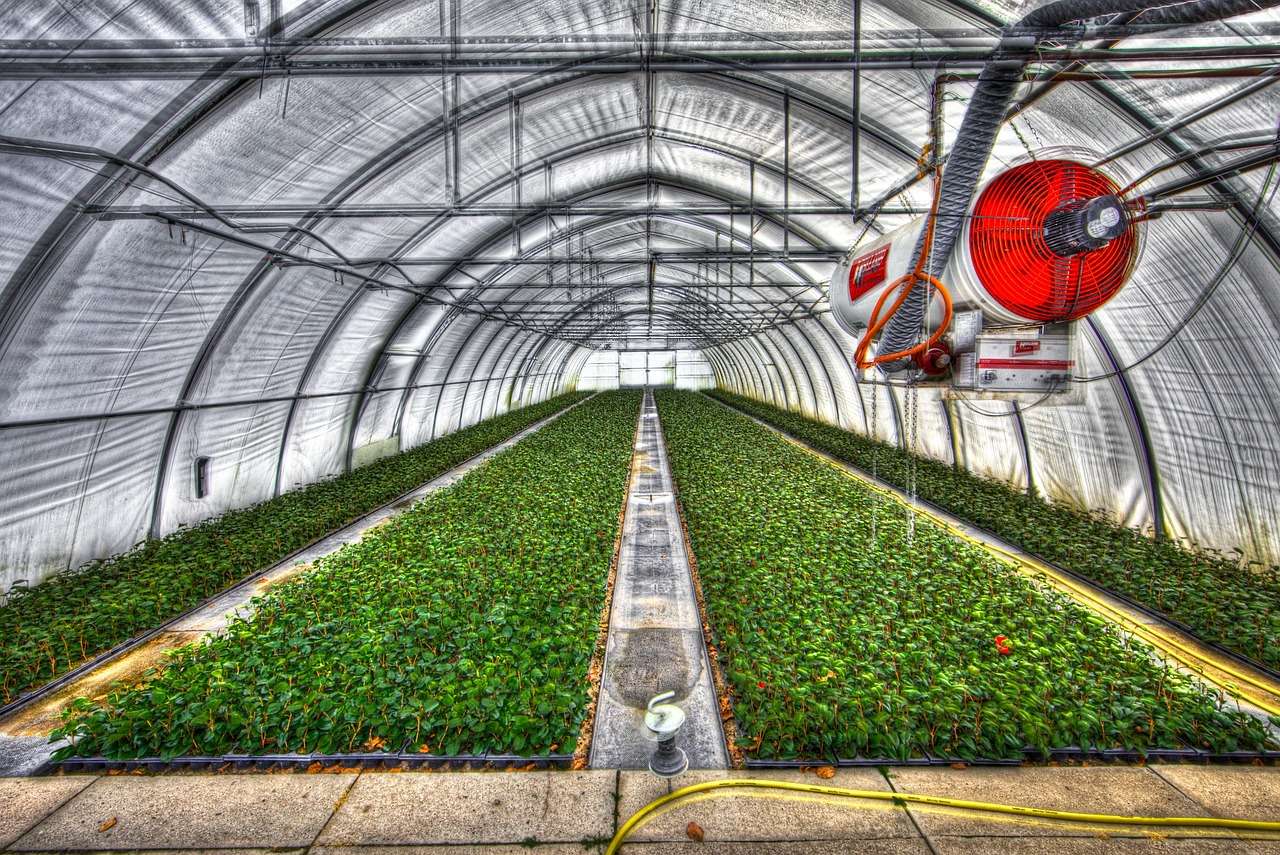
Finance Assets arranges asset finance for horticulture businesses, helping UK glasshouse growers, soft fruit producers, nurseries, plant propagators and garden centres fund polytunnels, heating and LED lighting, irrigation, potting and grading lines, cold stores, tractors and handling equipment.
Asset finance for horticulture spreads the cost of equipment over 3 to 7 years, and payments can often be shaped around your growing and selling season. It suits growers cutting energy costs, automating to reduce reliance on seasonal labour, adding growing space, or improving how produce is graded, packed and stored.
Written by Marcus Wright, founder of Bolton Business Finance Ltd, in financial services since 2008 and a commercial finance broker since 2019. Last reviewed October 2026.
On this page
The short version
- Asset finance lets horticulture businesses spread the cost of equipment over 3 to 7 years.
- Payments can often be set around your season, with more due when crops are sold and less in quieter months.
- Energy and labour are the big pressures, so LED lighting, heat pumps and automation are common projects.
- Polytunnels and most growing equipment can be funded. Glasshouse structures are harder and sometimes need another route.
- Finance Assets arranges asset finance for growers trading as limited companies and LLPs, and for sole traders and partnerships on agreements over £25,000.
| Item | Detail |
|---|---|
| Equipment covered | Polytunnels, heating and energy systems, LED grow lights, irrigation and fertigation, climate control, potting and grading lines, cold stores, tractors and handling equipment |
| Terms | Usually 3 to 7 years, matched to how long the equipment stays in use |
| Paid upfront | Hire purchase: often a 10% deposit plus VAT. Leases: usually 1 to 3 rentals in advance |
| Payment profile | Monthly, quarterly, annual or seasonal, depending on the lender and your cash flow |
| New or used | New and used, including used tractors and handling equipment from established dealers |
| Who we help | Limited companies and LLPs, plus sole traders and partnerships on business agreements over £25,000 |
Equipment we finance for horticulture
Lenders will fund most of the equipment a commercial grower or garden centre uses. Each group links to our detailed guide where we have one.
| Equipment group | Examples |
|---|---|
| Growing structures | Polytunnels, Spanish tunnels, table-top growing systems, benching and thermal or shade screens |
| Heating and energy | Biomass boilers, heat pumps, combined heat and power units, heat storage and solar PV |
| Lighting and climate | LED grow lights, climate control computers, ventilation, fogging and CO2 dosing |
| Water | Irrigation and fertigation systems, water treatment, rainwater harvesting and reservoirs pumps |
| Propagation and potting | Seeding lines, tray fillers, potting machines, transplanting robots and spacing equipment |
| Harvesting and packing | Harvest trolleys and platforms, grading lines, weighers, packing machines and labellers |
| Cold storage | Cold stores, blast chillers and refrigerated containers. See commercial refrigeration finance |
| Handling and transport | Compact tractors, sprayers, forklifts, plant trolleys and delivery vehicles. See forklift truck finance |
| Garden centre retail | Tills, café equipment, display benching and shop fit-out. See point of sale and catering equipment finance |
For mowers, chippers and grounds maintenance machinery, see asset finance for landscaping and grounds maintenance.
How growers use asset finance
Growers usually turn to asset finance to bring down running costs, protect yields and depend less on hard-to-find seasonal staff.
- Cutting energy costs. Heating is one of the biggest costs for a heated glasshouse. Heat pumps, biomass, thermal screens and heat storage reduce the gas bill, and the savings help cover the payments.
- LED lighting. Replacing older lamps with LED grow lights uses less power and gives more control over the crop.
- Automation. Potting machines, transplanting robots and grading lines reduce the number of seasonal workers needed at peak times.
- Extending the season. Polytunnels and table-top systems let soft fruit growers start earlier and finish later.
- Meeting customer standards. Better cold chain, grading and packing to meet the requirements of supermarkets and wholesale buyers.

Glasshouses, soft fruit, nurseries and garden centres
Each type of horticulture business has its own equipment and income pattern, and lenders look at that closely.
- Glasshouse growers. Tomatoes, cucumbers, peppers and salads grown under glass. Energy, lighting and climate control are the main projects, and lenders look at supply agreements with packers or supermarkets.
- Soft fruit growers. Strawberries, raspberries and blueberries under polytunnels and on table-tops. Income is concentrated in a few months, so seasonal payments are common.
- Ornamental nurseries and propagators. Bedding, pot plants, shrubs and young plants for growers. Sales peak in spring, and potting and propagation lines are typical purchases.
- Tree and hardy nursery stock growers. Container and field-grown stock for landscapers and retailers, with irrigation, potting and handling equipment.
- Indoor and vertical farms. Racked growing systems, LED lighting and climate control. Lenders look closely at contracts and running costs, as the sector is newer.
- Garden centres. Retail businesses that fund tills, café equipment, display and fit-outs, often alongside their own growing area.
Glasshouses, polytunnels and fixed equipment
Asset finance works best for equipment a lender could remove and sell if it had to. Growing structures sit across that line.
- Usually fundable. Polytunnels, table-top systems, LED lights, boilers, heat pumps, climate computers, irrigation, potting and grading equipment, and vehicles.
- Harder. Glasshouse structures are closer to buildings. A few lenders fund them, sometimes with extra security, but many projects use a farm loan or commercial mortgage for the structure and asset finance for the equipment inside it.
- Not asset finance. Groundworks, reservoirs, roads and grid connections are usually funded another way.
If you rent your land or glasshouses, lenders check the tenancy runs beyond the finance term. Where equipment is fixed to the landlord’s property, they may ask the landlord to confirm the lender can remove it if needed.
Seasonal payments and grants
Horticulture income rarely arrives evenly through the year. Many lenders that work with growers will set payments to match it.
- Seasonal profiles. Higher payments in the months you sell, and lower or no payments in quieter months.
- Quarterly or annual payments. Common in agricultural finance, matched to when crops are paid for.
- Grants. Equipment grant schemes in England and the devolved nations sometimes cover part of the cost of productivity and energy-saving equipment. The finance covers the rest, and lenders will want to see the grant terms.
Finance options for horticulture businesses
Growers usually buy long-life equipment on hire purchase and lease technology they expect to replace. Our types of asset finance guide covers each option in more depth.
| Type | How it works | Suits |
|---|---|---|
| Hire purchase | A deposit, then regular payments, which can be seasonal. You own the equipment after the last one | Boilers, heat pumps, polytunnels, potting lines and tractors you will keep |
| Finance lease | Rentals with VAT added to each one. The lender owns the equipment | Spreading the cost of large energy or lighting projects |
| Operating lease | Lower rentals priced around the expected resale value. You hand it back at the end | Forklifts, vehicles and technology that will be replaced |
| Refinance | Raising money against equipment you already own | Releasing cash ahead of planting or to fund a new project |
Hire purchase for horticulture
Hire purchase for horticulture is the usual way to buy heating systems, polytunnels, potting lines and tractors that will be in use for many years. You pay a deposit, often around 10% plus the VAT, then regular payments that can follow your season, and the equipment is yours after the last one. You are treated as the owner for tax from the start, so you may be able to claim capital allowances.
Finance lease for horticulture
A finance lease for horticulture adds VAT to each rental instead of asking for it upfront, which helps with large energy and lighting projects. The lender keeps ownership. At the end you can usually keep using the equipment for a small secondary rental, or sell it and receive most of the proceeds.
Operating lease for horticulture
An operating lease for horticulture works for forklifts, delivery vehicles and technology that will be replaced within a few years. Rentals are set around what the equipment should be worth at the end, and you hand it back or upgrade when the term finishes.
Refinancing horticulture equipment
If you own tractors, packing lines or heating plant outright, a lender can buy them and lease them back, or lend against them. Growers often use this to fund the costs of a new season before income arrives.
VAT and tax for horticulture businesses
Most commercial growers and garden centres are VAT registered and can reclaim VAT on equipment. Edible crops are generally zero-rated and ornamental plants are standard-rated, but either way registered growers usually recover the VAT they pay. On hire purchase, VAT on the full price is paid at the start and reclaimed later. On a lease, it is added to each rental. With hire purchase you may be able to claim capital allowances, and lease rentals are usually an allowable business expense. Check the VAT and tax treatment with your accountant.
Horticulture equipment finance costs: a worked example
A £180,000 glasshouse upgrade, with LED grow lights, a new climate control system and thermal screens, costs about £4,031 a month on a 4-year hire purchase, or about £3,363 a month over 5 years.
| Item | 4 years | 5 years |
|---|---|---|
| Equipment price (excl. VAT) | £180,000 | £180,000 |
| Deposit (10%) | £18,000 | £18,000 |
| VAT paid upfront | £36,000 | £36,000 |
| Monthly payment | £4,031.38 | £3,362.85 |
| Total interest | £31,506 | £39,771 |
The longer term lowers the monthly payment by about £669 but adds around £8,265 of interest. Compare the payment with the expected energy saving, and ask whether payments can be weighted towards the months your crop is sold.
Illustration calculated in October 2026, assuming an interest rate of 9% a year and equal monthly payments. It is not a quote. Your rate depends on your trading history, credit profile and the equipment.
What lenders look for in horticulture businesses
Lenders look at the usual financial documents, plus the land, contracts and seasonality that are specific to growing.
- Your last 2 years of filed accounts, or management accounts and a forecast for newer businesses
- Your last 3 to 6 months of business bank statements, and ideally a full year to show the seasonal pattern
- Details of your land or glasshouse ownership or tenancy, and how long a tenancy runs
- Supply agreements with packers, supermarkets or wholesale buyers, and any grant agreements
- Equipment quotes, plus photo ID and address history for each director, member or partner
Related guides
Who we can help
We arrange asset finance for horticulture businesses that trade as UK limited companies and LLPs, and for sole traders and partnerships on agreements over £25,000 that are for business purposes. We are not authorised by the FCA, so we cannot arrange agreements of £25,000 or less for sole traders or partnerships of two or three partners, or finance for personal use.
Asset finance for horticulture FAQs
Can polytunnels be financed?
Yes. Polytunnels and Spanish tunnels can usually be funded, along with table-top growing systems and irrigation. Lenders may check your tenancy if you rent the land.
Can a glasshouse be financed?
Sometimes. A few lenders will fund glasshouse structures, often with extra security. Many projects fund the structure with a farm loan or mortgage and use asset finance for the heating, lighting and equipment inside it.
Can payments match my growing season?
Often, yes. Many lenders that work with growers offer seasonal, quarterly or annual payments, so more is paid when crops are sold.
How much does horticulture equipment finance cost?
It depends on the equipment, the term and your business. As an illustration, a £180,000 glasshouse upgrade costs about £4,031 a month over 4 years on hire purchase at 9%, after a 10% deposit and the VAT paid upfront, or about £3,363 a month over 5 years.
Can finance be combined with a grant?
Yes. Where a grant covers part of the cost, asset finance can cover the rest. Lenders will want to see the grant terms and any conditions.
Do you finance garden centres?
Yes. Garden centres can fund tills, café and catering equipment, display benching, fit-outs and any growing equipment they use themselves.
Get an asset finance quote for your growing business
Tell us what you want to finance
Send us the equipment, the prices and a few details about your business and your season. We will come back with the options that are realistic and what they are likely to cost.
About the author
Marcus Wright is the owner and founder of Bolton Business Finance Ltd, which trades as Finance Assets. He has worked in financial services since 2008, beginning his career at Santander, and has been a commercial finance broker since March 2019.
He founded Bolton Business Finance in 2020 to give businesses access to the whole lending market rather than one bank’s own product range. The firm is a member of the National Association of Commercial Finance Brokers and works with a panel of 135+ lenders. Call 0161 546 9128.
Finance Assets is a trading name of Bolton Business Finance Ltd, an independent commercial finance brokerage, not a lender. We are not authorised by the Financial Conduct Authority and can only complete non-regulated introductions. All lending is for business purposes only. Registered address: Westgate House, 1 Westgate Avenue, Bolton, Greater Manchester, BL1 4RF. Company number 12495909.