
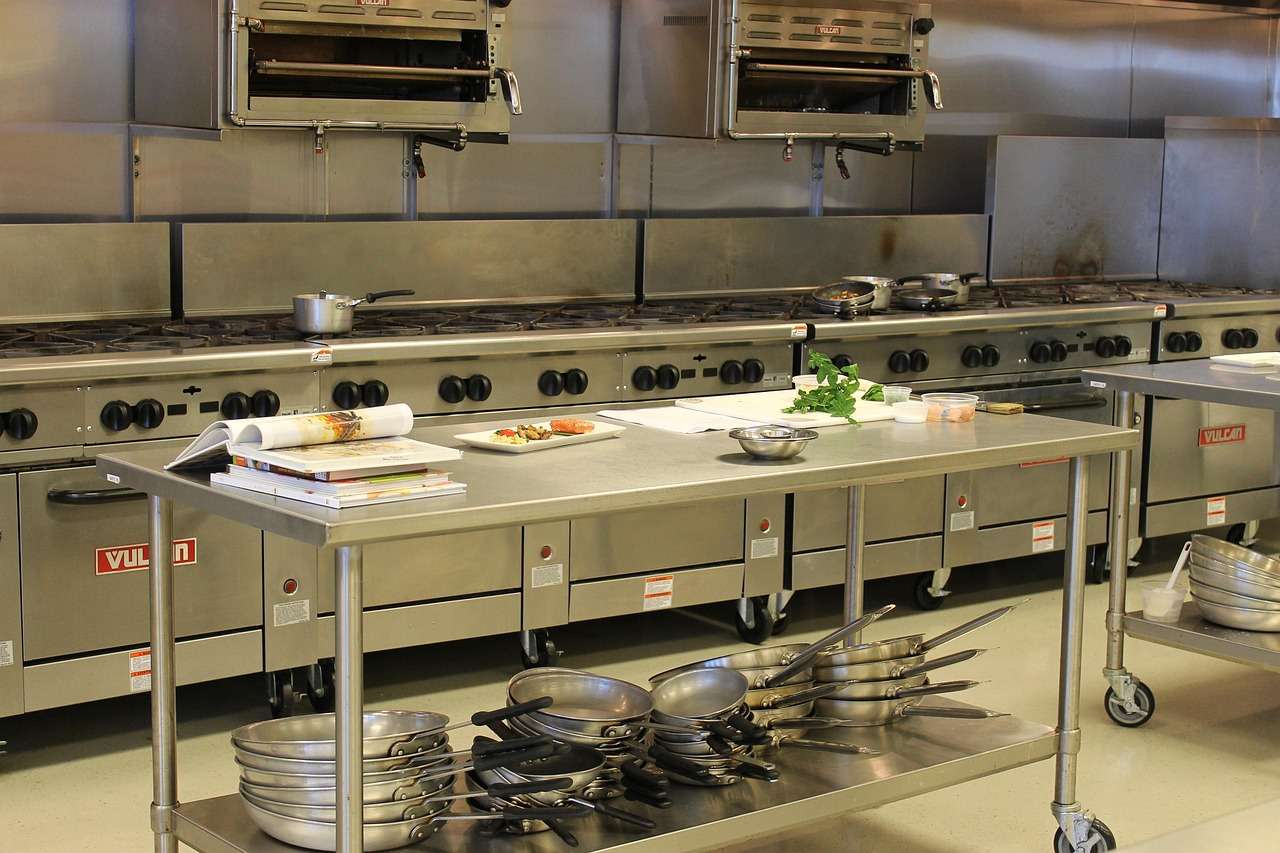
Finance Assets arranges catering equipment finance for UK businesses buying commercial cooking equipment, display and serving counters, coffee machines, dishwashers and kitchen extraction for restaurants, cafés, pubs, hotels and contract caterers.
Catering equipment finance spreads the cost of a commercial kitchen or front-of-house servery over 2 to 5 years, so a hospitality business can open, refit or replace failed equipment without emptying the bank account. We arrange hire purchase and leasing for new and used equipment, including installation. For fridges, freezers, display chillers and cold rooms, see our commercial refrigeration finance guide.
Written by Marcus Wright, founder of Bolton Business Finance Ltd, in financial services since 2008 and a commercial finance broker since 2019. Last reviewed October 2026.
On this page
The short version
- Catering equipment finance spreads the cost of cooking, display and serving equipment over 2 to 5 years.
- Branded combi ovens, ranges and coffee machines hold their value best, so they are the easiest items to fund.
- Extraction, gas work and installation can usually go on the same agreement, as long as equipment makes up most of the cost.
- Lenders look harder at new restaurants and cafés, so trading history and the owners’ experience matter.
- Finance Assets arranges catering equipment finance for limited companies and LLPs, and for sole traders and partnerships on agreements over £25,000.
| Item | Detail |
|---|---|
| Equipment covered | Combi ovens, ranges, fryers, grills, dishwashers, extraction, hot and ambient display counters, serveries and coffee machines |
| Deal sizes | From a single combi oven or coffee machine to a full kitchen and servery fit-out |
| Terms | Usually 2 to 5 years, and no longer than the time left on your premises lease for fixed items |
| Paid upfront | Hire purchase: often a 10% deposit plus VAT. Leases: usually 1 to 3 rentals in advance |
| New or used | Mainly new or refurbished from catering equipment suppliers, with used branded items funded case by case |
| Who we help | Limited companies and LLPs, plus sole traders and partnerships on business agreements over £25,000 |
Catering equipment we finance
Lenders will fund most commercial catering equipment, provided it comes from an established supplier on a clear, itemised quote.
| Equipment group | Examples |
|---|---|
| Cooking equipment | Combi ovens, convection and pizza ovens, ranges, fryers, chargrills, griddles, bratt pans and induction suites, from makers such as Rational, Lincat, Falcon and Valentine |
| Display and serving equipment | Heated and ambient display counters, bain-maries, carveries, hot cupboards, servery counters and food-to-go units |
| Beverage equipment | Bean-to-cup and traditional espresso machines, grinders, water boilers and filtration |
| Warewashing | Pass-through and undercounter dishwashers, glasswashers and rack conveyor machines |
| Kitchen infrastructure | Extraction canopies and ventilation, gas interlocks, fire suppression and stainless steel fabrication |
Extraction, gas and installation
A few points about catering equipment change how lenders look at it.
- Branded equipment holds its value. Combi ovens, ranges and espresso machines from well-known makers have a steady second-hand market, so lenders fund them readily. Smaller items and own-brand equipment are funded more on the strength of the business.
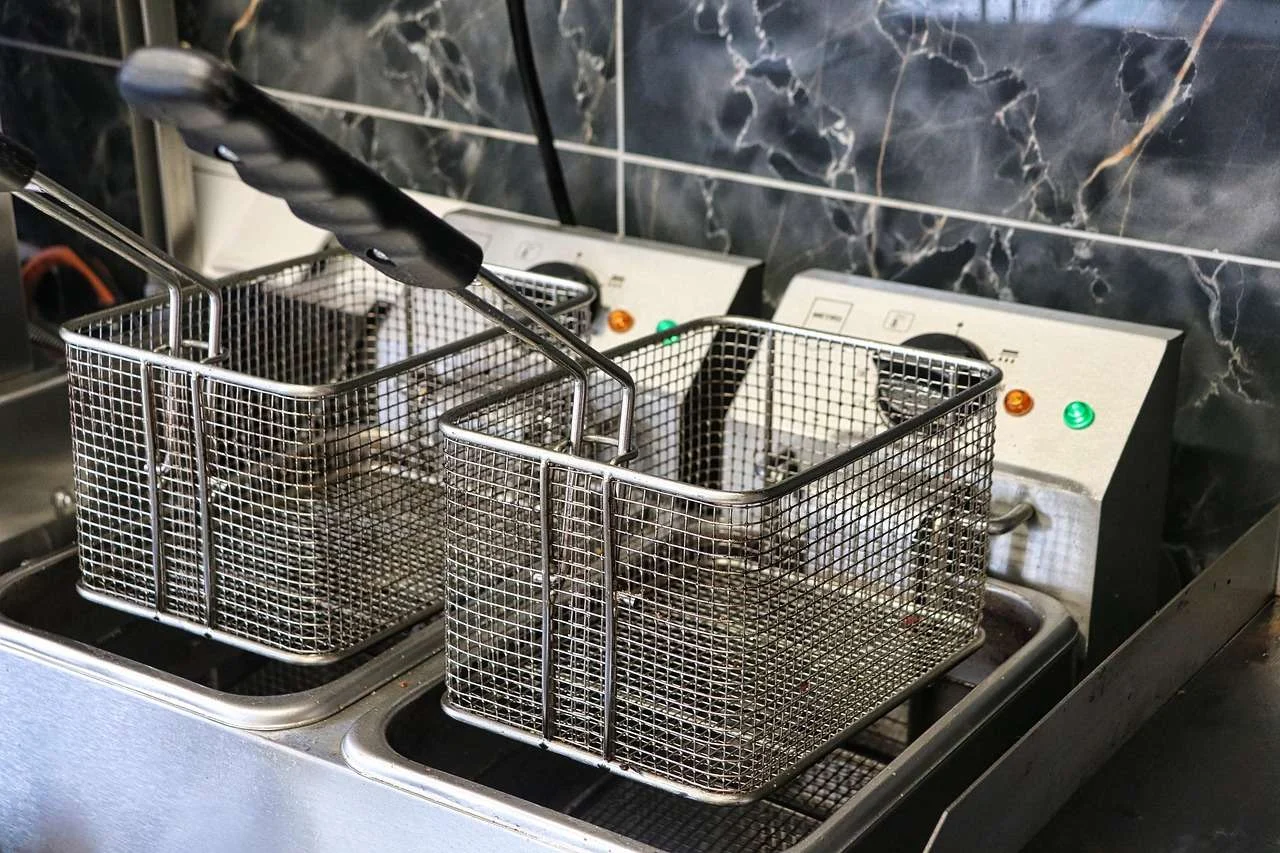
- Extraction and ventilation. Canopies and ductwork are fixed to the building and must meet the DW/172 kitchen ventilation specification. Lenders will usually fund them as part of a wider package, but rarely on their own, and may ask about your premises lease.
- Gas and installation. Gas work must be done by a Gas Safe registered engineer, and a gas interlock is needed where the extraction runs. Installation, commissioning and gas work can go on the agreement, as long as equipment makes up most of the total.
- Supplier lease schemes. Many catering suppliers offer lease or rental through a partner lender. It is worth comparing these with the wider market, because the rate and the end-of-term terms can differ a lot.
Finance options for catering equipment
Hospitality businesses use hire purchase and leasing for catering equipment, depending on how long they will keep it and how they want to handle the VAT. Our types of asset finance guide covers each option in more depth.
| Type | How it works | Suits |
|---|---|---|
| Hire purchase | A deposit, then fixed monthly payments. You own the equipment after the last one | Ovens, ranges and dishwashers you will run until they wear out |
| Finance lease | Rentals with VAT added to each one. The lender owns the equipment | A new kitchen or servery where the VAT bill is large |
| Operating lease | Lower rentals for part of the equipment’s life. Hand back or upgrade at the end | Coffee machines and combi ovens replaced on a set cycle |
| Type | VAT | Tax treatment |
|---|---|---|
| Hire purchase | VAT on the full price is paid at the start, and a VAT-registered business usually reclaims it on its next return | The business is treated as the owner, so it may be able to claim capital allowances, such as the annual investment allowance |
| Finance lease | VAT is added to each rental and reclaimed as normal | Rentals are usually deductible as a business expense |
| Operating lease | VAT is added to each rental | Rentals are usually deductible, and the lender claims the capital allowances |
Your accountant can confirm how each option works for your tax position.
Hire purchase for cooking equipment
Hire purchase for cooking equipment suits a kitchen that will run its ovens, ranges and fryers for many years. You pay a deposit, often around 10% plus the VAT, then fixed monthly payments, and the equipment becomes yours after the final payment and a small option fee. Branded combi ovens are among the easiest catering items to fund this way.
Finance lease for display and serving equipment
A finance lease for display and serving equipment spreads the VAT across the rentals, which helps a café, deli or food-to-go site keep cash for opening costs. Heated and ambient display counters, bain-maries, carveries and servery counters can go on one agreement with installation. The lender owns the equipment, and at the end you can usually carry on at a small secondary rental.
Operating lease for cooking and catering equipment
An operating lease for cooking and catering equipment suits a business that wants to upgrade on a set cycle, such as a coffee chain replacing espresso machines every few years. The rentals are set around what the equipment should be worth at the end, so they are lower than a finance lease, and you hand it back or upgrade when the lease ends. It works best with well-known makers whose used equipment sells readily.
Catering equipment finance costs: a worked example
A new restaurant kitchen package at £60,000, with a combi oven, range, fryers, pass-through dishwasher, extraction canopy and installation, costs about £1,717 a month on a 3-year hire purchase, or about £1,121 a month over 5 years.
| Item | 3 years | 5 years |
|---|---|---|
| Price (excl. VAT) | £60,000 | £60,000 |
| Deposit (10%) | £6,000 | £6,000 |
| VAT paid upfront | £12,000 | £12,000 |
| Monthly payment | £1,717.19 (36 months) | £1,120.95 (60 months) |
| Total interest | £7,819 | £13,257 |
The longer term lowers the monthly payment by about £596 but adds around £5,438 of interest. On a finance lease, the £12,000 of VAT would be spread across the rentals instead of paid upfront.
Illustration calculated in October 2026, assuming an interest rate of 9% a year. It is not a quote. Your rate depends on your trading history, credit profile and the equipment.
What lenders look for in catering equipment finance applications
Hospitality is a sector lenders watch closely, so they look at the business as well as the equipment.
- Accounts and bank statements. The last two years of accounts, recent management accounts and three to six months of business bank statements, which show trading through the seasons.
- Itemised quote. A quote that shows each piece of equipment, extraction, gas work and installation separately.
- Premises and experience. The length of your premises lease, and for a new site, the owners’ experience running hospitality businesses and a realistic business plan.
- Owner or director history. Lenders check the credit records of the directors, partners or owner, and may ask for personal guarantees on newer businesses.
Related guides
- Asset finance for restaurants and cafes
- Asset finance for hotels and resorts
- Asset finance for pubs and bars
- Commercial refrigeration finance
- Vending machine finance, including bean-to-cup coffee machines
- Laundry equipment finance for hotels and care homes
- Brewery and drinks equipment finance
- Food manufacturing equipment finance
- Office furniture and fit-out finance
- All food, drink and catering finance
- Types of asset finance
Who we can help
We arrange catering equipment finance for UK limited companies and LLPs, and for sole traders and partnerships on agreements over £25,000 that are for business purposes. We are not authorised by the FCA, so we cannot arrange agreements of £25,000 or less for sole traders or partnerships of two or three partners, or finance for personal use.
Catering equipment finance FAQs
Can I lease catering equipment?
Yes. Catering equipment can be funded on a finance lease or an operating lease, as well as hire purchase. Leasing spreads the VAT across the rentals and suits equipment you may upgrade, while hire purchase suits ovens, ranges and dishwashers you plan to keep and own.
Can a new restaurant or café get catering equipment finance?
Yes, although lenders look harder at hospitality businesses with less than two years of trading. They may ask for a larger deposit, personal guarantees, a business plan or evidence of the owners’ experience in the trade. Branded equipment and a signed premises lease both make an application easier.
Can extraction and installation be included?
Usually, yes. Extraction canopies, ventilation, gas interlocks, gas work and installation can go on the same agreement as the cooking equipment, as long as the equipment makes up most of the total. Lenders rarely fund extraction on its own, because it is fixed to the building.
Can I finance used catering equipment?
Sometimes. Refurbished or used equipment from known makers, bought through a catering equipment dealer, can be funded, usually over a shorter term. Unbranded or privately bought used equipment is much harder to fund, because lenders cannot easily value it.
Can I finance a coffee machine?
Yes. Traditional espresso and bean-to-cup machines, with grinders and water filtration, are funded regularly, either on their own or as part of a café fit-out. Many coffee roasters also supply machines on a lease linked to buying their beans, so it is worth comparing the total cost of both routes.
Can I finance a whole kitchen and refrigeration together?
Often, yes. Cooking equipment, refrigeration, display counters and extraction can usually go on one agreement when a single supplier quotes for the whole kitchen. If several suppliers are involved, a lender can often still put the items together on one agreement.
Get a catering equipment finance quote
Tell us about the equipment
Send us the supplier quote and a few details about your business. We will come back with the options that are realistic and what they are likely to cost.
About the author
Marcus Wright is the owner and founder of Bolton Business Finance Ltd, which trades as Finance Assets. He has worked in financial services since 2008, beginning his career at Santander, and has been a commercial finance broker since March 2019.
He founded Bolton Business Finance in 2020 to give businesses access to the whole lending market rather than one bank’s own product range. The firm is a member of the National Association of Commercial Finance Brokers and works with a panel of 135+ lenders. Call 0161 546 9128.
Finance Assets is a trading name of Bolton Business Finance Ltd, an independent commercial finance brokerage, not a lender. We are not authorised by the Financial Conduct Authority and can only complete non-regulated introductions. All lending is for business purposes only. Registered address: Westgate House, 1 Westgate Avenue, Bolton, Greater Manchester, BL1 4RF. Company number 12495909.