
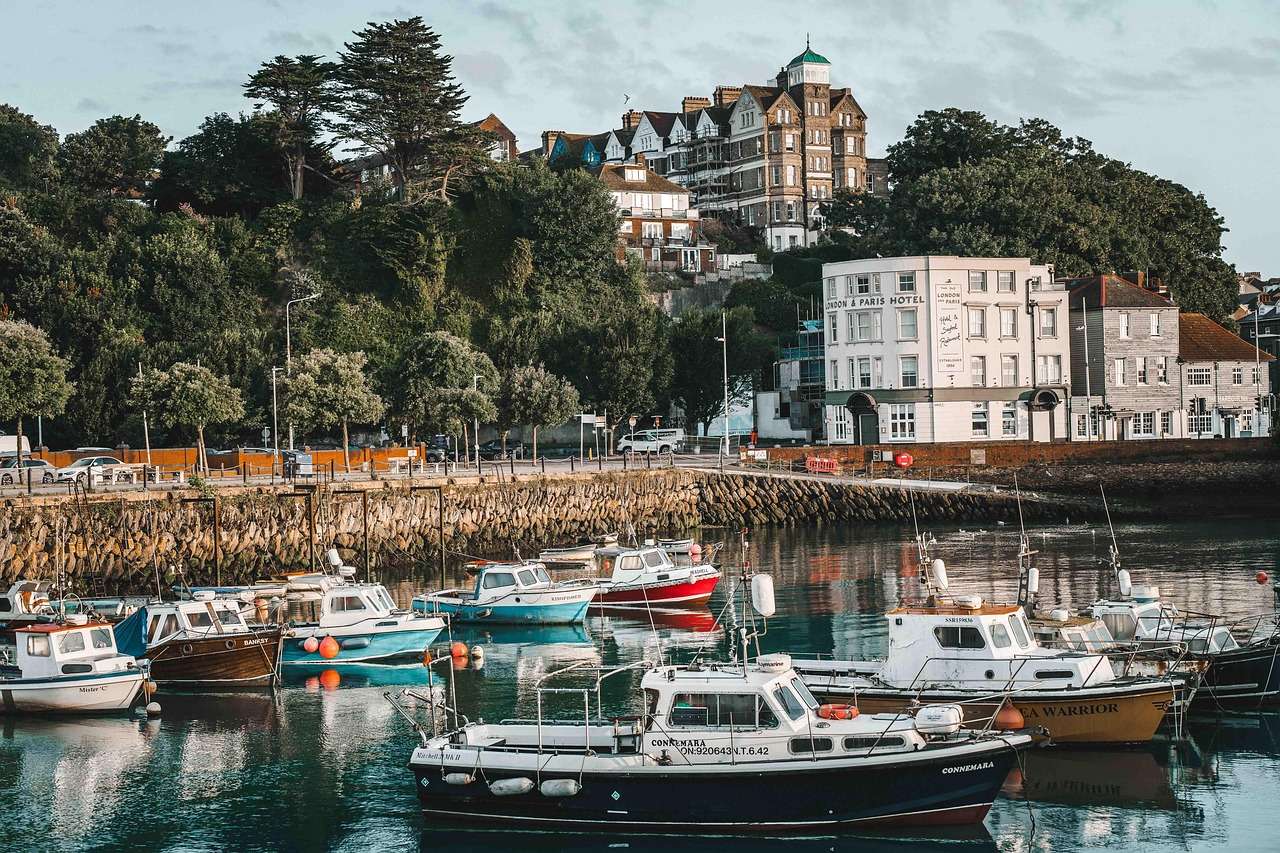
Finance Assets arranges asset finance for fishing and aquaculture businesses, helping UK operators fund vessels, engines, deck machinery, fish farm equipment and processing kit.
Asset finance for fishing and aquaculture spreads the cost of equipment over 2 to 10 years, so cash stays free for crew, fuel, feed and the months when landings or harvests are low. It suits skippers re-engining or refitting a vessel, inshore and offshore businesses upgrading gear and electronics, and fish farms adding pens, feed systems or workboats.
Written by Marcus Wright, founder of Bolton Business Finance Ltd, in financial services since 2008 and a commercial finance broker since 2019. Last reviewed October 2026.
On this page
The short version
- Asset finance lets fishing and aquaculture businesses spread the cost of vessels, engines, gear and fish farm equipment.
- Vessels themselves can be funded over longer terms, often up to 10 years, depending on age and survey.
- Cash can be released against a vessel the business already owns.
- Licences and quota are not funded through asset finance, but the physical assets around them are.
- Finance Assets arranges asset finance for fishing and aquaculture businesses trading as limited companies and LLPs, and for sole traders and partnerships on agreements over £25,000.
| Item | Detail |
|---|---|
| Equipment covered | Vessels, engines, deck machinery, electronics, refrigeration, fish farm pens and feed systems, workboats and processing equipment |
| Terms | Usually 2 to 5 years on equipment, and up to 10 years on some vessels |
| Paid upfront | Hire purchase: often a 10% to 20% deposit plus any VAT. Leases: usually 1 to 3 rentals in advance |
| New or used | Both, with a recent survey for used vessels |
| Payment profile | Monthly, or seasonal with some lenders |
| Who we help | Limited companies and LLPs, plus sole traders and partnerships on business agreements over £25,000 |
Equipment we finance for fishing and aquaculture
Lenders will fund the vessels and equipment that catch, farm, chill and process fish and shellfish.
| Equipment group | Examples |
|---|---|
| Vessels | Inshore and offshore fishing vessels, crabbers, trawlers and fish farm workboats. See commercial vessel finance |
| Propulsion | Engines, gearboxes, propellers, generators and hybrid or electric drive systems |
| Deck machinery | Winches, net drums, pot haulers, cranes and dredge gear |
| Electronics | Sonar, plotters, radar, autopilots, AIS and satellite communications |
| Chilling and ice | Refrigerated sea water systems, ice machines, chillers and cold stores |
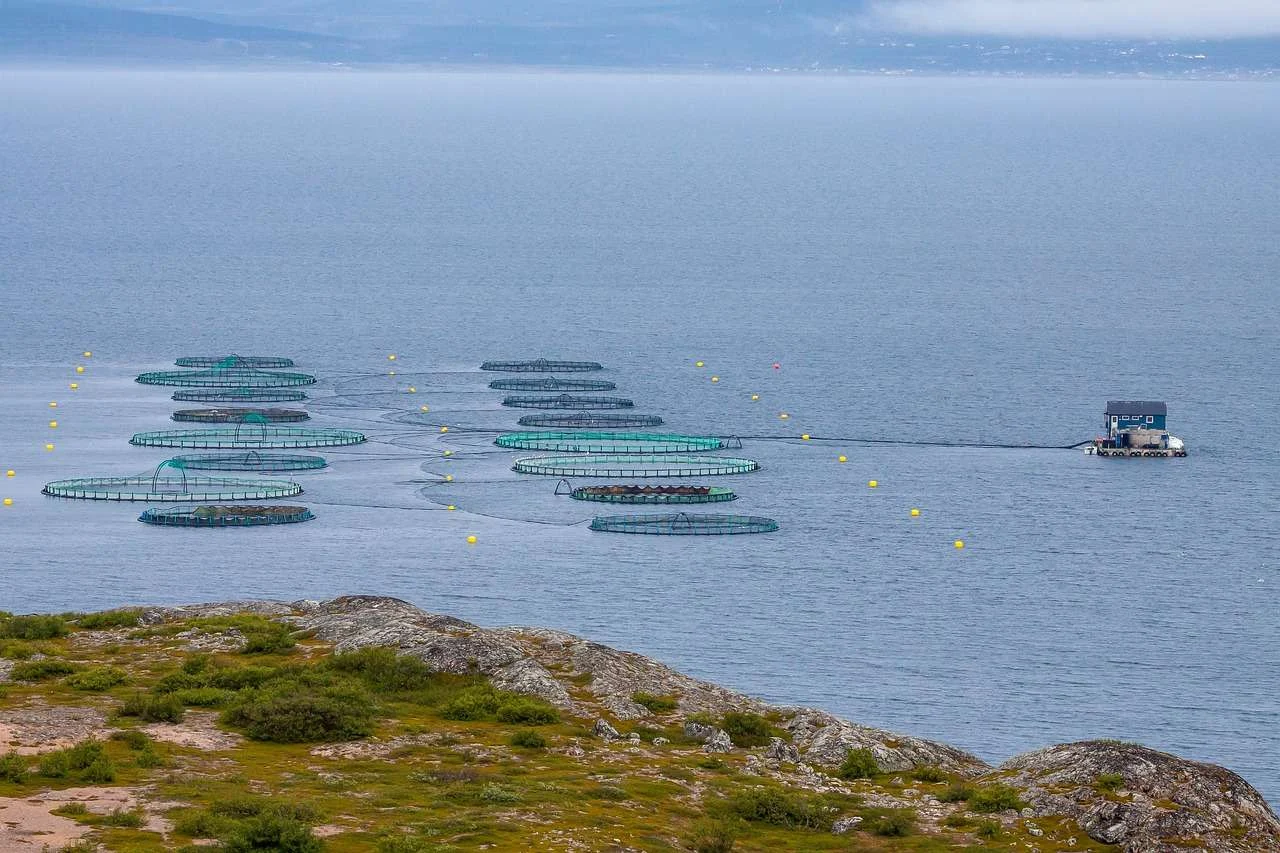
| Aquaculture | Sea pens, moorings, feed barges, feeding systems, recirculating aquaculture systems, pumps and oxygenation |
| Processing and transport | Grading, filleting and packing lines, and refrigerated vans |
How fishing businesses use asset finance
Fishing and aquaculture income is uneven, so spreading big costs over several years keeps the business steady through the quieter months.
- Re-engining and refits. Replacing an old engine or gearbox to cut fuel costs and downtime.
- Upgrading gear and electronics. Funding new haulers, winches, sonar and plotters together on one agreement.
- Improving catch quality. Adding refrigerated sea water systems or ice machines to land better-quality fish.
- Expanding a fish farm. Funding new pens, moorings, feed barges and workboats as a site grows.
- Releasing cash. Refinancing a vessel or equipment the business owns outright to fund working capital.
Finance options for fishing and aquaculture businesses
Most fishing and aquaculture businesses buy on hire purchase, because vessels and gear stay in use for many years. Our types of asset finance guide covers each option in more depth.
| Type | How it works | Suits |
|---|---|---|
| Hire purchase | A deposit, then fixed payments. You own the asset after the last one | Vessels, engines and gear you will keep |
| Finance lease | Rentals with any VAT added to each one. The lender owns the asset | Fish farm and processing equipment on larger orders |
| Operating lease | Lower rentals priced around the expected resale value. You hand it back at the end | Electronics and equipment upgraded often |
| Sale and hire purchase back | A lender buys an asset you own and sells it back over a fixed term | Releasing cash tied up in a vessel or gear |
Hire purchase for fishing vessels and equipment
Hire purchase is the usual way to fund a vessel, an engine or deck machinery. You pay a deposit, then fixed payments, and the asset is yours after the last one. You are treated as the owner for tax from the start, so you may be able to claim capital allowances.
Finance lease for aquaculture equipment
A finance lease suits larger fish farm and processing orders, because any VAT is added to each rental instead of being paid upfront. The lender keeps ownership, and at the end you can usually keep the equipment on a small secondary rental.
Operating lease for electronics and equipment
An operating lease prices rentals around what the equipment should be worth at the end, so the monthly cost is lower. It suits electronics and other kit that the business expects to upgrade within a few years.
Releasing cash from a vessel you own
A sale and hire purchase back lets a specialist lender buy a vessel or equipment you own outright and sell it back to you over a fixed term, so it keeps working while the cash comes back into the business. Our commercial vessel finance guide covers vessel refinancing in more detail.
VAT and tax for fishing and aquaculture
VAT on many commercial fishing vessels and some of their equipment can be zero-rated, while other equipment, such as processing lines and vehicles, carries VAT that a registered business can usually reclaim. The rules depend on the vessel and how it is used, so check them with your accountant. With hire purchase you may be able to claim capital allowances, and lease rentals are usually an allowable business expense.
Fishing equipment finance costs: a worked example
A new engine and gearbox at £65,000, a pot hauler and deck crane at £20,000 and new electronics at £15,000, £100,000 in total, cost about £1,868 a month on a 5-year hire purchase, or about £2,862 a month over 3 years.
| Item | 3-year term | 5-year term |
|---|---|---|
| Equipment price | £100,000 | £100,000 |
| Deposit (10%) | £10,000 | £10,000 |
| Amount financed | £90,000 | £90,000 |
| Monthly payment | £2,861.98 | £1,868.25 |
| Total interest | £13,031 | £22,095 |
The longer term lowers the monthly payment by about £994, at a cost of around £9,064 more interest. Seasonal payments can also be arranged with some lenders, so more of the cost falls in the months when the boat is earning most.
Illustration calculated in November 2026, assuming an interest rate of 9% a year and no VAT payable on the equipment. It is not a quote. Your rate depends on your trading history, credit profile and the assets.
What lenders look for in fishing and aquaculture businesses
Lenders look at the usual financial documents, plus the things that show the vessel or site is sound and the income is reliable.
- Your last 2 years of accounts, or management accounts and a forecast for newer businesses
- Your last 3 to 6 months of business bank statements
- Landing and sales records, or harvest and sales figures for fish farms
- Vessel registration and licence details, and a recent survey for used or refinanced vessels
- Site leases and consents for aquaculture businesses
- Supplier or yard quotes, plus photo ID and address history for each director, member or partner
Related guides
Who we can help
We arrange asset finance for fishing and aquaculture businesses that trade as UK limited companies and LLPs, and for sole traders and partnerships on agreements over £25,000 that are for business purposes. We are not authorised by the FCA, so we cannot arrange agreements of £25,000 or less for sole traders or partnerships of two or three partners, or finance for personal use.
Asset finance for fishing and aquaculture FAQs
Can I raise money against a fishing vessel I already own?
Often, yes. Through a sale and hire purchase back, a specialist marine lender can release cash against a vessel the business owns outright, and sometimes against one with a small amount of finance left to clear. The amount depends on an up-to-date survey and valuation, the vessel’s age and condition, and the business’s accounts. It is commonly used to fund a refit, new gear or working capital.
Can I finance a re-engine or refit?
Yes. A new engine, gearbox, propulsion upgrade or deck machinery can be funded on its own, or the work can be refinanced together with the vessel. Lenders will want the yard’s quote and, for larger jobs, a surveyor’s view of the vessel so the term matches its remaining working life.
Can fishing licences or quota be financed?
Not through asset finance. Lenders fund physical assets they can take security over, such as vessels, engines, gear and equipment, and licences and quota do not work that way. They can still help a lender see the strength of the business, and we can talk through other funding routes if that is what you need.
Can fish farms finance pens, moorings and feed barges?
Yes. Sea pens, mooring systems, feed barges, feeding systems, workboats and land-based recirculating systems can all be funded, usually through lenders with marine or agricultural experience. Lenders will ask about site consents and leases as well as the business’s accounts.
Can payments be matched to the fishing season?
With some lenders, yes. Seasonal or quarterly payment profiles can be arranged where income is concentrated in certain months, for example on shellfish or pelagic fisheries. Tell us how your landings and sales fall across the year when you apply.
Can a new fishing business get asset finance?
It is harder but possible. Lenders look for skippers or directors with a track record at sea, a realistic plan for landings and sales, and a deposit. Starting with a used vessel or gear from a known source, with a recent survey, usually makes a lender more comfortable.
Get an asset finance quote for your fishing business
Tell us what you want to finance
Send us the vessel or equipment, the prices and a few details about your landings or harvests. We will come back with the options that are realistic and what they are likely to cost.
About the author
Marcus Wright is the owner and founder of Bolton Business Finance Ltd, which trades as Finance Assets. He has worked in financial services since 2008, beginning his career at Santander, and has been a commercial finance broker since March 2019.
He founded Bolton Business Finance in 2020 to give businesses access to the whole lending market rather than one bank’s own product range. The firm is a member of the National Association of Commercial Finance Brokers and works with a panel of 135+ lenders. Call 0161 546 9128.
Finance Assets is a trading name of Bolton Business Finance Ltd, an independent commercial finance brokerage, not a lender. We are not authorised by the Financial Conduct Authority and can only complete non-regulated introductions. All lending is for business purposes only. Registered address: Westgate House, 1 Westgate Avenue, Bolton, Greater Manchester, BL1 4RF. Company number 12495909.