
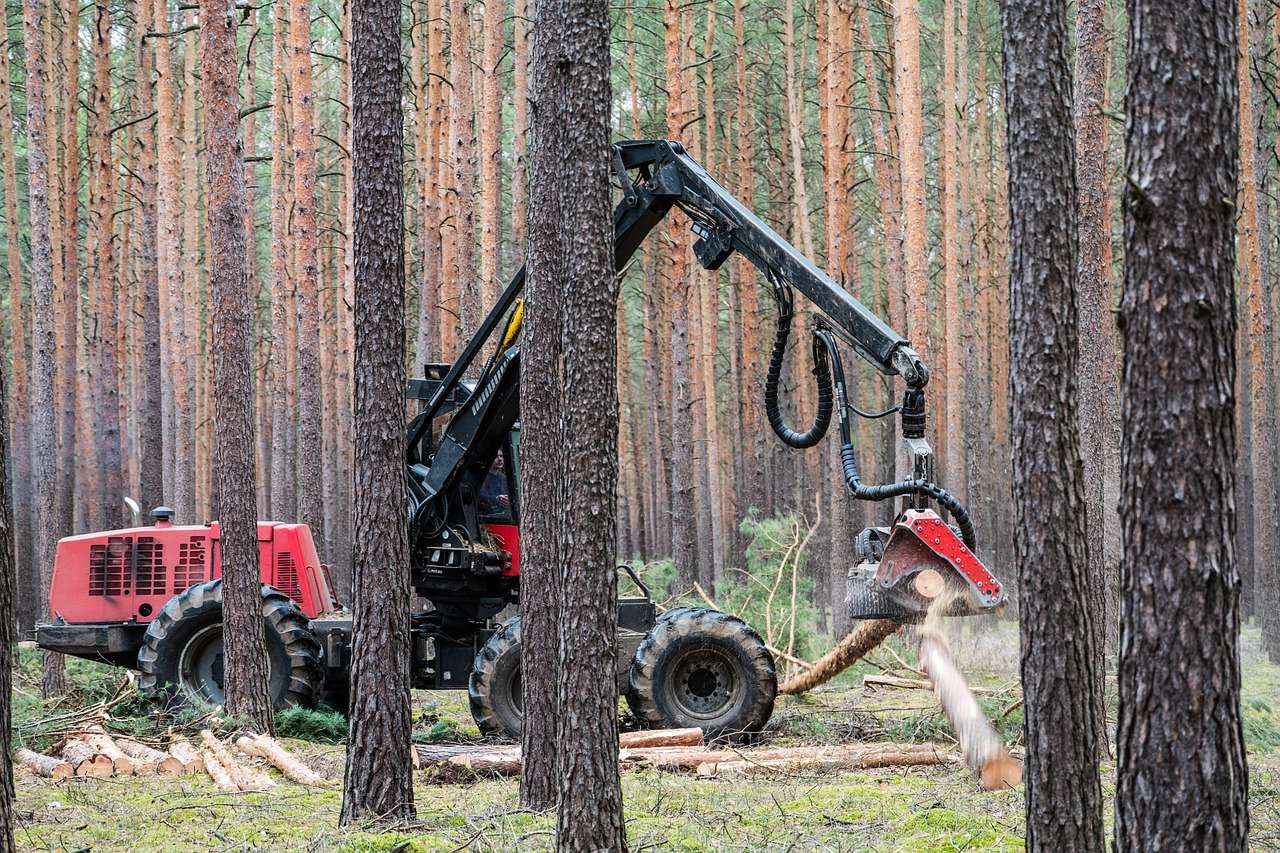
Finance Assets arranges asset finance for forestry contractors, arborists and sawmills, helping UK businesses fund harvesters, forwarders, chippers and timber handling equipment.
Asset finance for forestry operations spreads the cost of high-value machinery over 2 to 6 years, so cash stays free for fuel, wages and the gaps between contracts. It suits contractors taking on a bigger felling or thinning contract, arborists upgrading chippers and access kit, and processors investing in sawmilling, firewood or biomass equipment.
Written by Marcus Wright, founder of Bolton Business Finance Ltd, in financial services since 2008 and a commercial finance broker since 2019. Last reviewed October 2026.
On this page
The short version
- Asset finance lets forestry businesses spread the cost of harvesters, forwarders, chippers and processing equipment over 2 to 6 years.
- Used forestry machines are widely funded thanks to a strong second-hand market.
- Payments can often be shaped around seasonal work and the gaps between contracts.
- Arborists, forestry contractors, sawmills and firewood processors can all be funded.
- Finance Assets arranges asset finance for forestry businesses trading as limited companies and LLPs, and for sole traders and partnerships on agreements over £25,000.
| Item | Detail |
|---|---|
| Equipment covered | Harvesters, forwarders, timber cranes and trailers, chippers, stump grinders, mulchers, sawmill and firewood equipment |
| Terms | Usually 2 to 5 years, and up to 6 years on some new machines |
| Paid upfront | Hire purchase: often a 10% deposit plus VAT. Leases: usually 1 to 3 rentals in advance |
| New or used | Both, including used machines from dealers, auctions and other contractors |
| Payment profile | Monthly, or shaped around seasonal work with some lenders |
| Who we help | Limited companies and LLPs, plus sole traders and partnerships on business agreements over £25,000 |
Equipment we finance for forestry businesses
Lenders will fund most of the machinery used to fell, extract, process and move timber.
| Equipment group | Examples |
|---|---|
| Harvesting | Wheeled and tracked harvesters, harvester heads, and excavators fitted with felling heads or tree shears |
| Extraction | Forwarders, skidders, timber cranes and trailers, and tractors with forestry kit |
| Arboriculture | Wood chippers, stump grinders, tracked access platforms and tipper vans |
| Site clearance | Forestry mulchers, brush cutters and mulching heads |
| Haulage | Timber lorries with cranes. See HGV finance and trailer finance |
| Processing | Sawmills, band saws, firewood processors, log splitters and drying kilns |
| Biomass | Drum and disc chippers for woodchip production, screens and loaders |
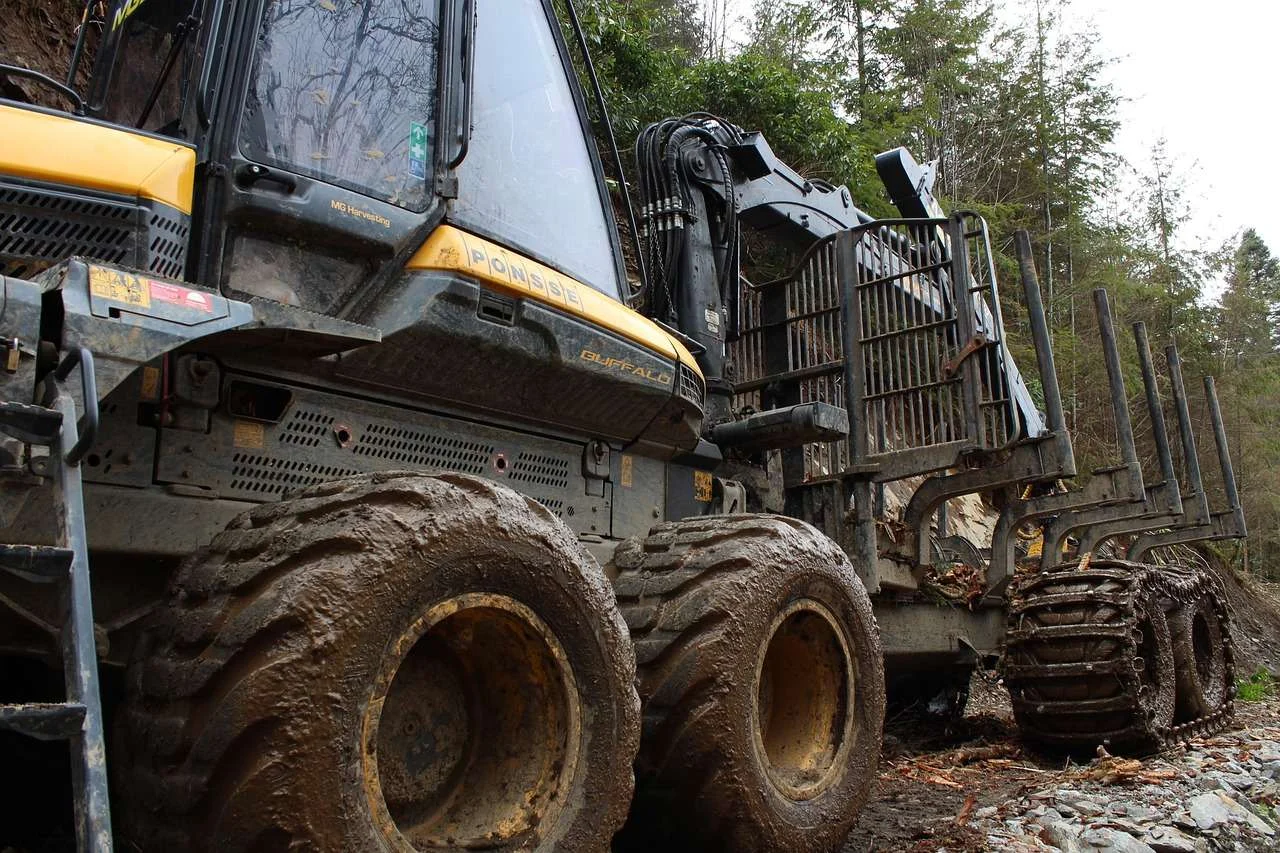
How forestry businesses use asset finance
Forestry businesses usually need a machine in the wood before the timber it cuts has been sold or the contract has paid out.
- Taking on a bigger contract. Funding a second harvester or forwarder to keep up with a felling or thinning programme.
- Upgrading older machines. Replacing high-hours machines before repair costs and downtime eat into margins.
- Moving into processing. Adding firewood, woodchip or sawmilling equipment to sell more value from the timber.
- Equipping an arborist team. Funding a chipper, stump grinder and tipper together on one agreement.
- Releasing cash. Refinancing machines the business owns outright to fund working capital between contracts.
Finance options for forestry businesses
Most forestry contractors buy machines on hire purchase, because they run them for many years and there is a strong used market when they sell. Our types of asset finance guide covers each option in more depth.
| Type | How it works | Suits |
|---|---|---|
| Hire purchase | A deposit, then fixed monthly payments. You own the machine after the last one | Harvesters, forwarders and chippers you will run for years |
| Finance lease | Rentals with VAT added to each one. The lender owns the machine | Spreading the VAT on a large machine |
| Operating lease | Lower rentals priced around the expected resale value. You hand it back at the end | Machines replaced on a regular cycle |
| Sale and hire purchase back | A lender buys machines you own and sells them back over a fixed term | Releasing cash tied up in existing machines |
Hire purchase for forestry machinery
Hire purchase is the usual way to buy harvesters, forwarders and chippers. You pay a deposit, often around 10% plus the VAT, then fixed monthly payments, and the machine is yours after the last one. You are treated as the owner for tax from the start, so you may be able to claim capital allowances, and a balloon payment can lower the monthly cost on machines with a strong resale value.
Finance lease for forestry machinery
A finance lease suits a large machine, because VAT is added to each rental instead of being paid upfront. The lender keeps ownership. At the end you can usually keep the machine on a small secondary rental, or sell it and receive most of the proceeds.
Operating lease for forestry machinery
An operating lease prices the rentals around what the machine should be worth at the end, so the monthly cost is lower and the lender takes the resale risk. It suits contractors who replace machines every few years, with agreed limits on hours and condition.
Refinancing forestry machines you already own
A sale and hire purchase back lets a lender buy machines you own outright and sell them back to you over a fixed term, so they keep working while the cash comes back into the business. It is a common way to fund a second machine or a timber lorry.
VAT and tax for forestry businesses
A VAT-registered forestry business can usually reclaim the VAT on machinery in full. On hire purchase, VAT on the full price is usually paid at the start and reclaimed on the next return, and many lenders can defer it for a few months. On a lease, VAT is added to each rental. With hire purchase you may be able to claim capital allowances, and lease rentals are usually an allowable business expense. Check the tax treatment with your accountant.
Forestry machinery finance costs: a worked example
A used forwarder at £165,000 and a new wood chipper at £55,000, £220,000 in total, cost about £4,110 a month on a 5-year hire purchase, or about £3,527 a month with a 20% balloon.
| Item | Standard | With 20% balloon |
|---|---|---|
| Machinery price (excl. VAT) | £220,000 | £220,000 |
| Deposit (10%) | £22,000 | £22,000 |
| VAT paid upfront | £44,000 | £44,000 |
| Monthly payment (60 months) | £4,110.15 | £3,526.79 |
| Final balloon payment | None | £44,000 |
| Total interest | £48,609 | £57,607 |
The balloon frees up about £583 a month, in exchange for about £8,998 more interest over the five years. Forestry machines tend to hold their value, so many contractors plan to clear the balloon by trading the machine in.
Illustration calculated in October 2026, assuming an interest rate of 9% a year. It is not a quote. Your rate depends on your trading history, credit profile and the machinery.
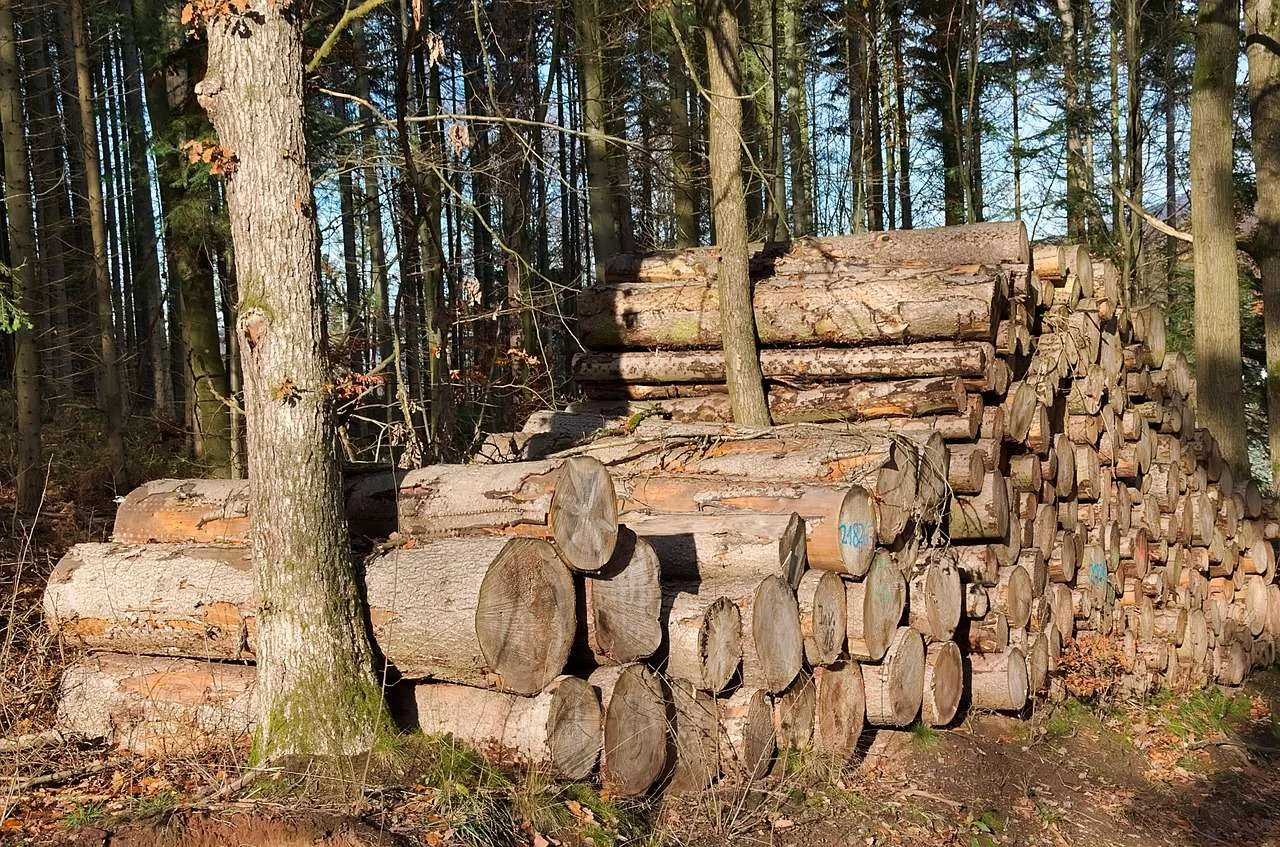
What lenders look for in forestry businesses
Lenders look at the usual financial documents, plus the things that show where a forestry business’s work comes from.
- Your last 2 years of filed accounts, or management accounts and a forecast for newer businesses
- Your last 3 to 6 months of business bank statements
- Your main contracts and customers, such as estates, timber merchants, local authorities or utilities
- How your income falls across the year
- Relevant qualifications and certifications held by the business and its operators
- Supplier quotes, plus photo ID and address history for each director, member or partner
Related guides
Who we can help
We arrange asset finance for forestry businesses that trade as UK limited companies and LLPs, and for sole traders and partnerships on agreements over £25,000 that are for business purposes. We are not authorised by the FCA, so we cannot arrange agreements of £25,000 or less for sole traders or partnerships of two or three partners, or finance for personal use.
Asset finance for forestry FAQs
Can I finance a used harvester or forwarder?
Yes. Used harvesters and forwarders from dealers, auctions and other contractors are widely funded, because there is a strong second-hand market for them across the UK and Europe. Lenders look at the machine’s age, hours and service history, and older machines may be funded over a shorter term or with a larger deposit.
Can tree surgeons and arborists get asset finance?
Yes. Arborists fund wood chippers, stump grinders, tracked access platforms, tipper vans and trucks, and climbing and rigging kit. Smaller items are often easier to fund when bundled with a chipper or vehicle on one agreement.
Can payments be matched to seasonal work?
Often, yes. Some lenders will set lower payments in quieter months or arrange quarterly payments, which suits contractors whose work is affected by weather, nesting season restrictions or felling licences. Tell us how your income falls across the year when you apply.
Can I finance firewood processors and biomass equipment?
Yes. Firewood processors, log splitters, kilns for drying logs, chippers for woodchip production and screening equipment can all be funded. Businesses supplying biomass fuel often fund the processing kit and the delivery vehicle together.
Can a sawmill finance new saws and handling equipment?
Yes. Band saws, edgers, log decks, debarkers, kilns and the handling equipment around them are funded on hire purchase or leasing, new or used. Lenders will want details of the timber supply and the customers the sawmill sells to.
Can I release cash from forestry machines I already own?
Yes. Through a sale and hire purchase back, a lender buys machines you own outright and sells them back over a fixed term, so they keep working. Forestry contractors use it to fund a second machine, a timber lorry or working capital between contracts.
Get an asset finance quote for your forestry business
Tell us what you want to finance
Send us the machines, the prices and a few details about your contracts. We will come back with the options that are realistic and what they are likely to cost.
About the author
Marcus Wright is the owner and founder of Bolton Business Finance Ltd, which trades as Finance Assets. He has worked in financial services since 2008, beginning his career at Santander, and has been a commercial finance broker since March 2019.
He founded Bolton Business Finance in 2020 to give businesses access to the whole lending market rather than one bank’s own product range. The firm is a member of the National Association of Commercial Finance Brokers and works with a panel of 135+ lenders. Call 0161 546 9128.
Finance Assets is a trading name of Bolton Business Finance Ltd, an independent commercial finance brokerage, not a lender. We are not authorised by the Financial Conduct Authority and can only complete non-regulated introductions. All lending is for business purposes only. Registered address: Westgate House, 1 Westgate Avenue, Bolton, Greater Manchester, BL1 4RF. Company number 12495909.