
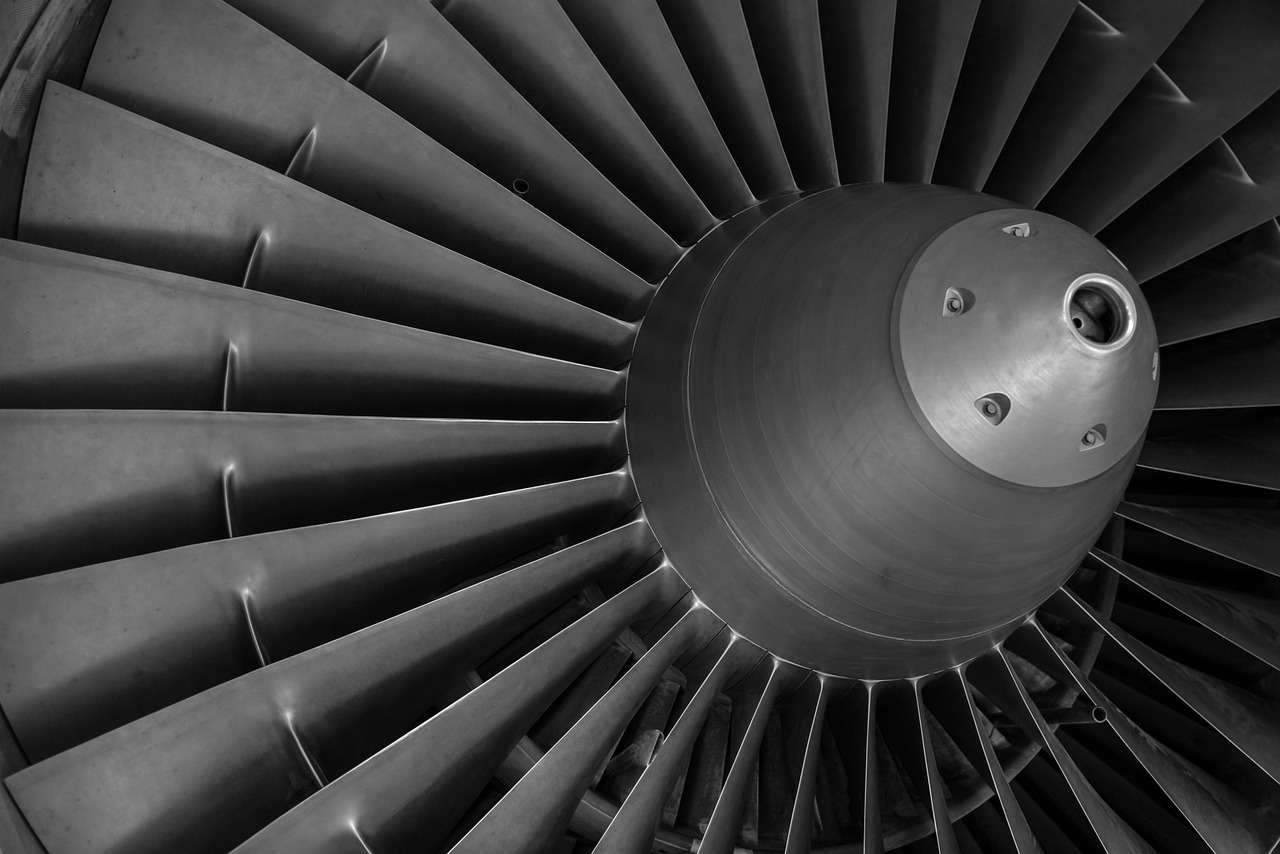
Finance Assets arranges hire purchase, finance leases and operating leases for UK aviation businesses buying or overhauling aircraft engines, from piston engines to turboprops, turboshafts and business jet turbofans.
Aircraft engine finance spreads the cost of a replacement engine, a spare engine or a major overhaul over a fixed term, so a charter operator, flight school, helicopter operator or maintenance organisation can keep aircraft flying without a large cash outlay. Aviation is a specialist area with a smaller pool of lenders, which is where a broker helps.
Written by Marcus Wright, founder of Bolton Business Finance Ltd, in financial services since 2008 and a commercial finance broker since 2019. Last reviewed October 2026.
On this page
The short version
- Aircraft engine finance spreads the cost of an engine or engine overhaul over a fixed term, usually 2 to 5 years on hire purchase.
- An engine is a separate asset from the airframe, so it can be financed or leased on its own and moved between aircraft.
- Engine operating leases usually combine a monthly rent with maintenance reserves charged per flight hour and per cycle.
- Lenders value an engine on its hours and cycles remaining, its life-limited parts and the quality of its records.
- Finance Assets arranges aircraft engine finance for limited companies and LLPs, and for sole traders and partnerships on agreements over £25,000.
| Item | Detail |
|---|---|
| Engines covered | Piston, turboprop, turboshaft and business jet turbofan engines, plus overhauls and shop visits |
| Terms | Usually 2 to 5 years on hire purchase. Operating leases range from a few months to several years |
| Paid upfront | Hire purchase: often a 10% to 20% deposit. Leases: a security deposit and rent in advance |
| New or used | New, overhauled and serviceable used engines with full records |
| Key factors | Hours and cycles remaining, life-limited parts, records and the operator’s experience |
| Who we help | Limited companies and LLPs, plus sole traders and partnerships on business agreements over £25,000 |
Aircraft engines we finance
We work mainly with UK charter and air taxi operators, flight training organisations, helicopter operators, aerial survey firms and maintenance organisations.
| Type | Examples |
|---|---|
| Piston engines | Replacement and factory-overhauled engines for training aircraft, light twins and utility aircraft |
| Turboprop engines | Engines for regional, utility and special mission aircraft, including the widely used PT6A family |
| Turboshaft engines | Helicopter engines for charter, offshore, utility and emergency services operators |
| Business jet turbofans | Spare and replacement engines for light and mid-size business jets |
| Overhauls and shop visits | Major overhauls, hot section inspections and life-limited part replacement |
| Engine shop equipment | Engine stands, test cells, tooling and inspection equipment for maintenance organisations |
Large commercial airliner engines are normally funded by specialist engine lessors and airline-focused banks, on terms that sit outside a typical broker panel.
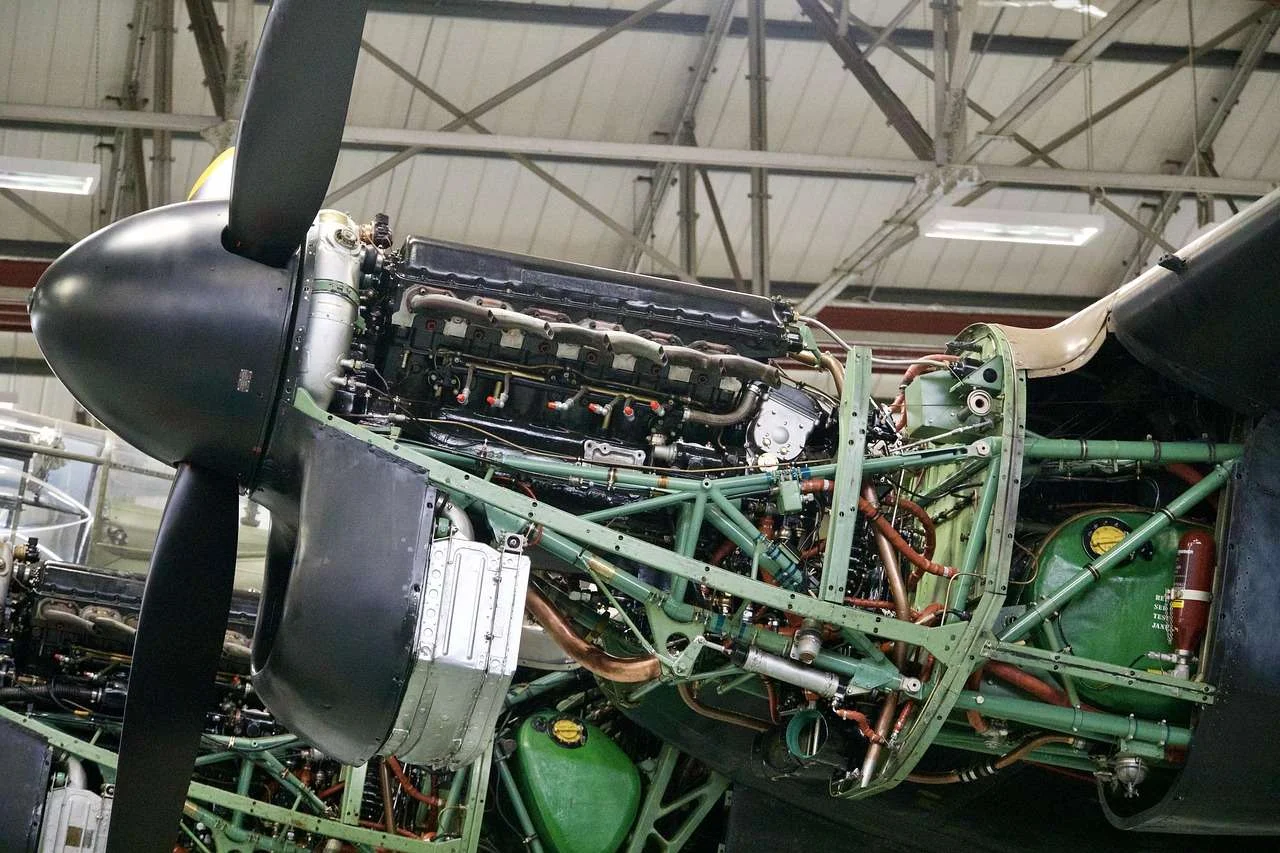
How aircraft engine leasing works
Engine leasing works differently from most equipment leasing, because an engine is treated as an asset in its own right.
- The engine is separate from the aircraft. An engine can be owned or leased by one party and fitted to an aircraft owned by another. Leasing an engine does not mean leasing the aircraft, and the lessor’s ownership stays with the engine if it is moved to another airframe.
- Spare and short-term leases. Operators often lease a spare engine to keep an aircraft flying while its own engine is in the shop, or to cover an unplanned removal.
- Rent plus maintenance reserves. Operating lease payments are usually a fixed monthly rent, plus maintenance reserves charged for each flight hour and each cycle (one take-off and landing). The reserves build up to pay for the next overhaul and life-limited parts.
- Return conditions. At the end of the lease the engine must go back with an agreed minimum of hours or cycles remaining, or the lessee pays compensation.
- International registration. The UK applies the Cape Town Convention, which lets lenders and lessors register their interest in most turbine engines and larger piston engines on an international registry, separately from the airframe.
What lenders look at on aircraft engines
- Hours and cycles remaining. An engine’s value depends heavily on how long it can run before its next overhaul, often called its green time.
- Life-limited parts. Certain internal parts must be replaced after a fixed number of cycles. Their remaining life affects both value and future cost.
- Records. Lenders expect complete, traceable records, including the engine’s history and airworthiness release certificates. Gaps in records reduce value sharply.
- The operator. Lenders look at your approvals, fleet, experience and how the aircraft earns its income.
- Insurance. The engine must be insured, with the lender’s interest noted on the policy.
Hire purchase, finance lease and operating lease compared
Our types of asset finance guide covers each option in more depth.
| Option | How it works | Best for |
|---|---|---|
| Hire purchase | You pay a deposit and fixed monthly payments, and own the engine after the final payment | Replacement engines and overhauls on aircraft you plan to keep |
| Finance lease | You rent the engine for most of its working life. At the end you extend at a low rent, or sell it for the lender and keep most of the proceeds | Keeping upfront costs low without taking ownership |
| Operating lease | You rent the engine for a set period, paying rent plus maintenance reserves, then return it in an agreed condition | Spare engines, short-term cover and avoiding overhaul cost risk |
Hire purchase for aircraft engines
Hire purchase suits an operator replacing an engine on an aircraft it owns and plans to keep. You pay a deposit, often 10% to 20% for aviation, then fixed monthly payments, and ownership passes to you after the final payment. Hire purchase can also fund a major overhaul, with the engine as security.
Finance lease for aircraft engines
A finance lease keeps the upfront cost lower, as the lender owns the engine and you pay rentals for most of its useful life. You remain responsible for maintenance and overhauls. At the end you can usually extend at a low rent or sell the engine on the lender’s behalf.
Operating lease for aircraft engines
An operating lease is the most common way to take a spare engine or short-term cover. You pay rent plus maintenance reserves based on how much you fly, and return the engine in an agreed condition. The lessor carries the long-term value risk and owns the engine throughout.
Aircraft engine finance costs: a worked example
A £450,000 overhauled turboprop engine for a charter operator costs about £12,879 a month on a 3-year hire purchase, or about £8,407 a month over 5 years.
| Item | 3 years | 5 years |
|---|---|---|
| Engine price (excl. VAT) | £450,000 | £450,000 |
| Deposit (10%) | £45,000 | £45,000 |
| VAT | Zero-rated or 20%, see below | Zero-rated or 20%, see below |
| Monthly payment | £12,878.89 | £8,407.13 |
| Total interest | £58,640 | £99,428 |
The longer term lowers the monthly payment by about £4,472 but adds around £40,788 of interest. In practice, lenders often match the term to the hours the engine has left before its next overhaul.
Illustration calculated in October 2026, assuming an interest rate of 9% a year. It is not a quote. Aviation rates and deposits vary widely with the engine, its records and the operator.
VAT and tax on aircraft engine finance
VAT on aircraft engines works differently from most equipment. Engines, parts and maintenance for a qualifying aircraft, broadly one used by an airline operating for reward chiefly on international routes, can be zero-rated, but only where the supplier holds evidence that the engine is for a qualifying aircraft. Otherwise VAT is charged at the standard rate. HMRC Notice 744C sets out the rules, and your accountant or VAT adviser should confirm the position before you buy.
| Option | VAT (where standard-rated) | Usual tax treatment |
|---|---|---|
| Hire purchase | Paid on the full price at the start, reclaimable if you are VAT registered | You may be able to claim capital allowances, and the interest is deductible |
| Finance lease | Added to each rental | Rentals are usually deductible |
| Operating lease | Added to each rental | Rentals and maintenance reserves are usually deductible |
What lenders ask for
Most aircraft engine finance applications need the following.
- Your last 2 years of filed accounts, recent management accounts and 3 to 6 months of business bank statements
- The engine’s specification, serial number, hours and cycles, and records
- A quote or invoice from the engine supplier or overhaul shop
- Details of your operating approvals, fleet and the aircraft the engine will be fitted to
- Photo ID and address history for each director, and details of existing finance
Related guides
- Aircraft finance, for complete aircraft and helicopters
- Satellite finance, including ground stations
- Commercial vessel finance
- Rolling stock finance
- Transport and haulage finance
- Types of asset finance
Who we can help
We arrange aircraft engine finance for UK limited companies and LLPs, and for sole traders and partnerships on agreements over £25,000 that are for business purposes. We are not authorised by the FCA, so we cannot arrange agreements of £25,000 or less for sole traders or partnerships of two or three partners, or finance for personal use, including privately owned aircraft.
Aircraft engine finance FAQs
What does it mean to lease an aircraft engine?
It means a lessor owns the engine and rents it to an operator for a set period. The operator fits it to its aircraft, pays rent and usually maintenance reserves based on hours and cycles flown, and returns the engine at the end in an agreed condition. Engines are often leased as spares, or to cover a period when the operator’s own engine is being overhauled.
Does leasing an engine mean leasing the aircraft?
No. An engine is a separate asset from the airframe, with its own serial number and records. An operator can own its aircraft and lease one or more engines, or lease the aircraft and own a spare engine. Ownership of a leased engine stays with the lessor even when it is fitted to someone else’s aircraft.
How are aircraft engine operating leases priced?
Usually as a fixed monthly rent plus maintenance reserves. The reserves are charged per flight hour and per cycle, and build up to pay for the engine’s next overhaul and life-limited parts. Short-term spare engine leases may instead be priced per day or per flight hour.
What are the advantages and disadvantages of leasing an aircraft engine?
Leasing keeps cash free, avoids the risk of an engine falling in value, and gives quick access to a spare when an engine is removed. The downsides are that you build no ownership, maintenance reserves add to the monthly cost, and you must meet return conditions at the end. For an engine you will run for many years, buying on hire purchase can work out cheaper overall.
Why do lessors lease engines rather than sell them?
Leasing gives a lessor a steady income while it keeps ownership of an asset that can be moved between operators. Maintenance reserves protect the engine’s value, and at the end of a lease it can be leased again, overhauled or broken down for parts.
Can I finance an engine overhaul?
Often, yes. Some lenders will fund a major overhaul or hot section inspection on hire purchase, using the engine as security, as the work adds directly to its value. The overhaul shop’s quote and the engine’s records are needed.
Get an aircraft engine finance quote
Tell us about the engine
Send us the engine details, the price and a few details about your business. We will come back with the options that are realistic and what they are likely to cost.
About the author
Marcus Wright is the owner and founder of Bolton Business Finance Ltd, which trades as Finance Assets. He has worked in financial services since 2008, beginning his career at Santander, and has been a commercial finance broker since March 2019.
He founded Bolton Business Finance in 2020 to give businesses access to the whole lending market rather than one bank’s own product range. The firm is a member of the National Association of Commercial Finance Brokers and works with a panel of 135+ lenders. Call 0161 546 9128.
Finance Assets is a trading name of Bolton Business Finance Ltd, an independent commercial finance brokerage, not a lender. We are not authorised by the Financial Conduct Authority and can only complete non-regulated introductions. All lending is for business purposes only. Registered address: Westgate House, 1 Westgate Avenue, Bolton, Greater Manchester, BL1 4RF. Company number 12495909.