
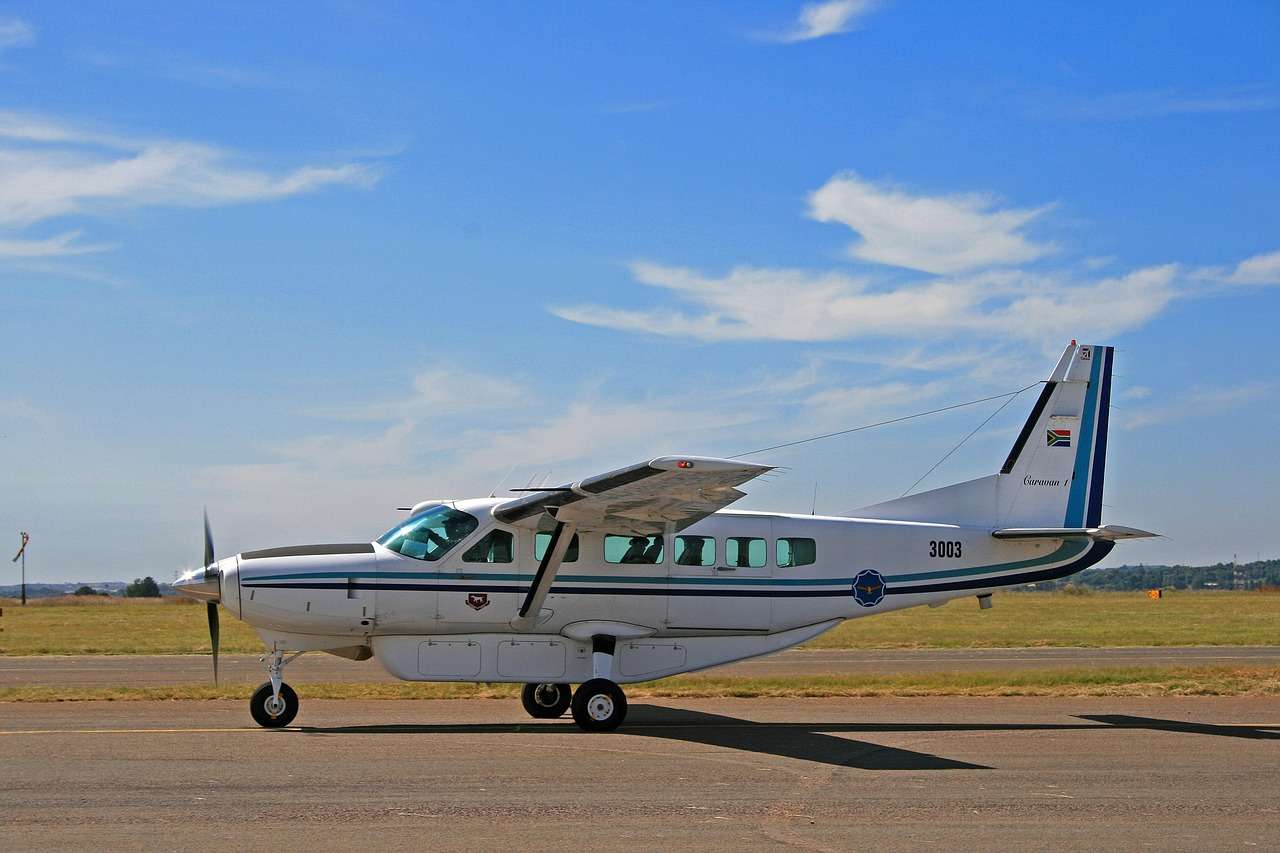
Finance Assets arranges hire purchase, finance leases and operating leases for UK aviation businesses buying aircraft, from training aircraft and helicopters to turboprops and light business jets.
Aircraft finance spreads the cost of a complete aircraft over a fixed term, so a charter operator, flight school, helicopter operator or aerial work company can add or replace aircraft without tying up its working capital. Aviation is a specialist area with a smaller pool of lenders, and terms depend heavily on the aircraft, its records and the operator.
Written by Marcus Wright, founder of Bolton Business Finance Ltd, in financial services since 2008 and a commercial finance broker since 2019. Last reviewed October 2026.
On this page
The short version
- Aircraft finance spreads the cost of a complete aircraft over a fixed term, usually 5 to 10 years for business aviation.
- Deposits are often 20% to 30%, and a balloon payment at the end is common to lower monthly costs.
- Lenders register their interest against the aircraft and require insurance, maintenance and complete records.
- Operating leases suit operators who want to avoid resale risk or add aircraft for a set contract.
- Finance Assets arranges aircraft finance for limited companies and LLPs, and for sole traders and partnerships on agreements over £25,000. We do not arrange finance for privately owned aircraft.
| Item | Detail |
|---|---|
| Aircraft covered | Training aircraft, light twins, helicopters, turboprops and light to mid-size business jets used commercially |
| Terms | Usually 5 to 10 years, often with a balloon payment |
| Paid upfront | Often a 20% to 30% deposit on hire purchase. Leases: a security deposit and rent in advance |
| New or used | Both, subject to age limits and full maintenance records |
| Security | Lender’s interest registered against the aircraft, with insurance and maintenance conditions |
| Who we help | Limited companies and LLPs, plus sole traders and partnerships on business agreements over £25,000 |
Aircraft we finance
We work mainly with UK operators that use aircraft to earn income, such as charter and air taxi companies, flight training organisations, helicopter operators, aerial survey and photography firms, and skydiving centres.
| Type | Typical users |
|---|---|
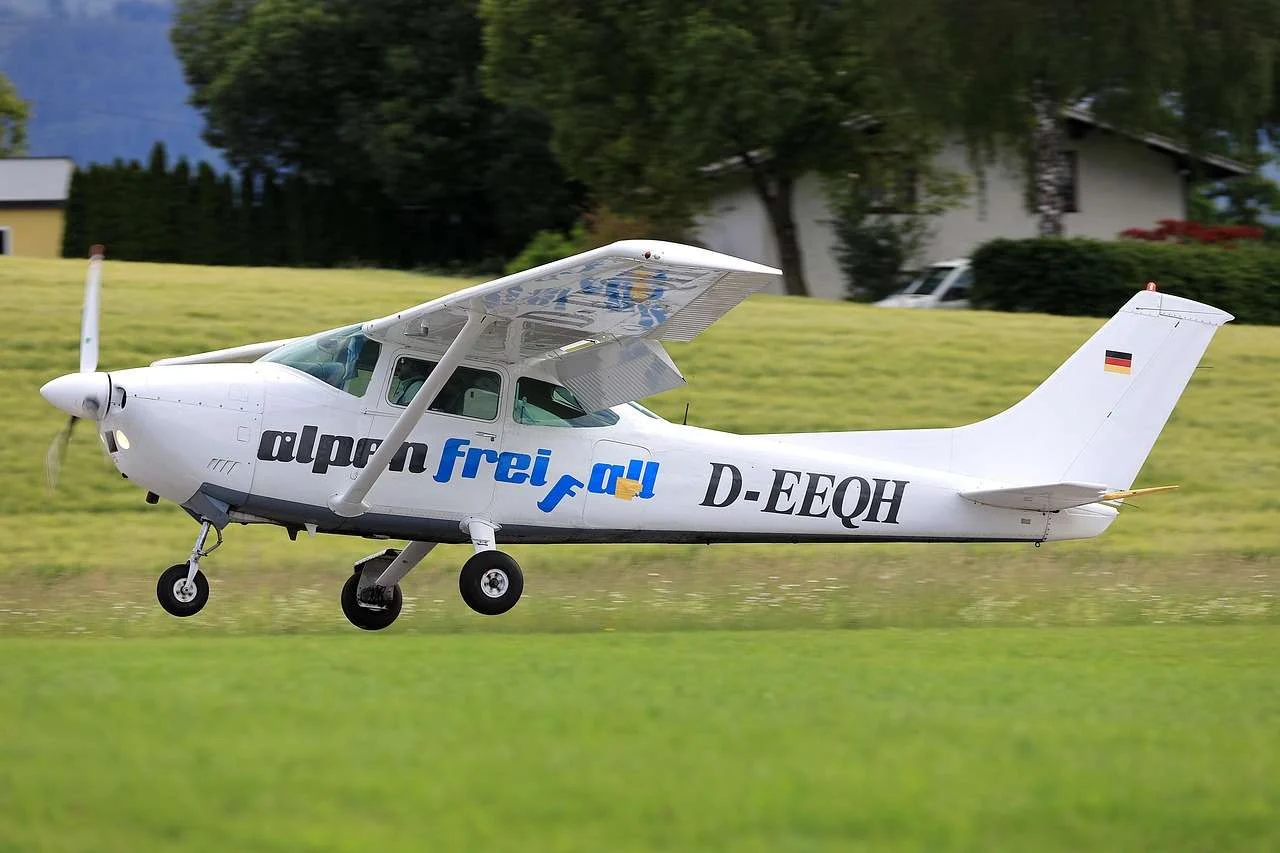
| Training aircraft | Flight schools adding or replacing single-engine and twin-engine trainers, and simulators |
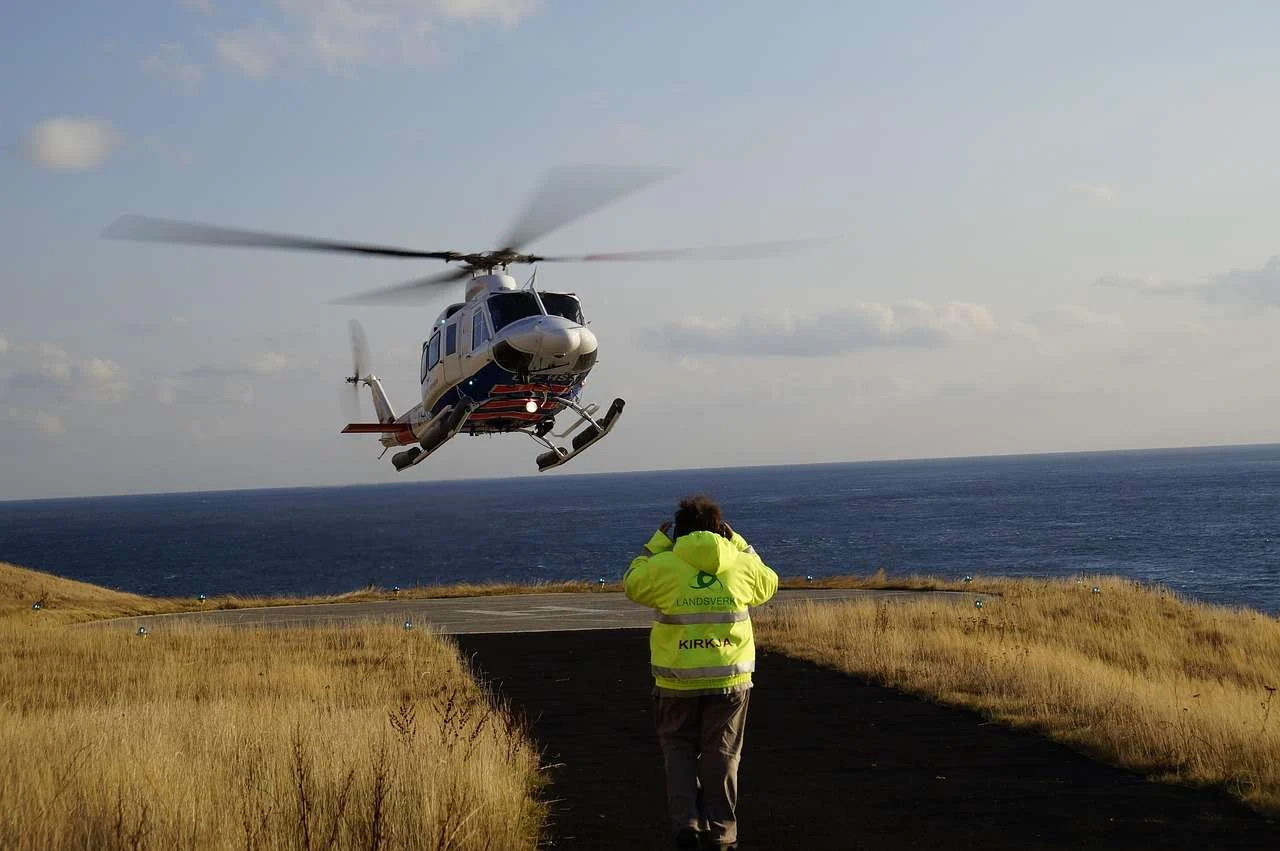
| Helicopters | Charter, utility, survey, film and offshore support operators |
| Turboprops | Charter, cargo, skydiving and special mission operators |
| Light business jets | Charter operators and aircraft management companies |
| Upgrades | Avionics upgrades, interior refits and engine replacements on aircraft already owned |
Large commercial airliners are normally funded by specialist aircraft lessors, banks and export credit agencies on terms outside a typical broker panel. For engines bought or leased on their own, see our aircraft engine finance guide.
What lenders look at on aircraft
- Type and age. Widely used types with an active resale market are easiest to fund. Lenders cap the aircraft’s age at the end of the agreement.
- Records and condition. Complete logbooks, maintenance records and an independent pre-purchase inspection are normally required. Hours remaining on engines and major components affect value.
- Registration and security. The lender’s interest is registered against the aircraft. For UK-registered aircraft this is usually a mortgage registered with the Civil Aviation Authority, and for qualifying aircraft an international interest under the Cape Town Convention.
- Operator and use. Lenders look at your approvals, experience, fleet and the income the aircraft will earn, including any contracts.
- Insurance and base. Hull and liability insurance with the lender noted, and details of where the aircraft is based and maintained.
How aircraft leasing works
With an aircraft operating lease, the lessor owns the aircraft and the operator rents it for a set period, usually paying a security deposit, monthly rent and maintenance reserves based on hours and cycles flown. The lessor’s ownership is its main protection, backed by the deposit, the reserves and registration of its interest. At the end, the aircraft goes back in an agreed condition.
Airline operating leases on new aircraft often run for around 8 to 12 years, with shorter terms on older aircraft. In business and general aviation, leases are more often 3 to 7 years. A wet lease, where the aircraft comes with crew, maintenance and insurance, is a short-term service rather than asset finance.
Hire purchase, finance lease and operating lease compared
Our types of asset finance guide covers each option in more depth.
| Option | How it works | Best for |
|---|---|---|
| Hire purchase | You pay a deposit and monthly payments, often with a balloon at the end, and own the aircraft after the final payment | Aircraft you plan to keep for most of their working life |
| Finance lease | You rent the aircraft for most of its life and take responsibility for maintenance. At the end you extend at a low rent or sell it for the lender | Lower upfront cost without taking ownership |
| Operating lease | You rent the aircraft for a set period, paying rent and maintenance reserves, then return it | Avoiding resale risk, or adding aircraft for a specific contract |
Hire purchase for complete aircraft
Hire purchase is the usual way for an operator to buy an aircraft it plans to keep. You pay a deposit, often 20% to 30% in aviation, then monthly payments, and ownership passes to you after the final payment. A balloon payment, set against the aircraft’s expected future value, is common and keeps the monthly cost down.
Finance lease for complete aircraft
With a finance lease, the lender owns the aircraft and you pay rentals for most of its useful life, while taking responsibility for insurance and maintenance. VAT, where charged, is added to each rental rather than paid upfront. At the end you can usually extend at a low rent or sell the aircraft on the lender’s behalf.
Operating lease for complete aircraft
An operating lease suits an operator that wants to add capacity without owning the aircraft, or to match an aircraft to a contract of a set length. You pay rent and usually maintenance reserves, and the lessor carries the risk of what the aircraft is worth at the end.
Aircraft finance costs: a worked example
A £900,000 used turboprop for a charter operator, with a 20% deposit, costs about £11,584 a month on a 7-year hire purchase, or about £9,265 a month with a 30% balloon at the end.
| Item | Standard | With 30% balloon |
|---|---|---|
| Aircraft price (excl. VAT) | £900,000 | £900,000 |
| Deposit (20%) | £180,000 | £180,000 |
| VAT | Zero-rated or 20%, see below | Zero-rated or 20%, see below |
| Monthly payment (84 months) | £11,584.14 | £9,265.09 |
| Final balloon payment | None | £270,000 |
| Total interest | £253,067 | £328,267 |
The balloon lowers the monthly payment by about £2,319 but adds around £75,200 of interest, because more of the balance is borrowed for longer. The balloon can be paid, refinanced or met by selling the aircraft at the end.
Illustration calculated in October 2026, assuming an interest rate of 9% a year. It is not a quote. Aviation rates, deposits and balloons vary widely with the aircraft, its records and the operator.
VAT and tax on aircraft finance
The supply and leasing of a qualifying aircraft, broadly one used by an airline operating for reward chiefly on international routes, can be zero-rated for VAT where the supplier holds the right evidence. Most other aircraft bought by UK businesses are standard-rated. HMRC Notice 744C sets out the rules, and an accountant or VAT adviser should confirm the position before you commit.
| Option | VAT (where standard-rated) | Usual tax treatment |
|---|---|---|
| Hire purchase | Paid on the full price at the start, reclaimable if you are VAT registered and use the aircraft for taxable business | You may be able to claim capital allowances, and the interest is deductible |
| Finance lease | Added to each rental | Rentals are usually deductible |
| Operating lease | Added to each rental | Rentals and maintenance reserves are usually deductible |
What lenders ask for
- Your last 2 years of filed accounts, recent management accounts and 3 to 6 months of business bank statements
- The aircraft’s type, serial number, registration, hours and maintenance records
- The purchase agreement or seller’s quote, and a pre-purchase inspection report
- Details of your operating approvals, fleet, base and any contracts the aircraft will serve
- Photo ID and address history for each director, and details of existing finance
Related guides
Who we can help
We arrange aircraft finance for UK limited companies and LLPs, and for sole traders and partnerships on agreements over £25,000 that are for business purposes. We are not authorised by the FCA, so we cannot arrange agreements of £25,000 or less for sole traders or partnerships of two or three partners, or finance for personal use, including privately owned aircraft.
Aircraft finance FAQs
How does hire purchase work for an aircraft?
The lender buys the aircraft and your business pays a deposit, often 20% to 30%, then monthly payments over an agreed term. A balloon payment at the end is common. The lender’s interest is registered against the aircraft until the last payment, when ownership passes to you.
How long is a typical aircraft operating lease?
Airline operating leases on new aircraft often run for around 8 to 12 years, with shorter terms for older aircraft. In business and general aviation, operating leases are more often 3 to 7 years. Short-term wet leases, which include crew and maintenance, can last weeks or months.
Are aircraft operating leases secured?
Yes, in effect. The lessor owns the aircraft, which is its main security. It usually also takes a security deposit, collects maintenance reserves and registers its interest against the aircraft, so it can recover the aircraft if the operator defaults.
Can I finance a used aircraft?
Yes. Many lenders fund used aircraft with complete records and a satisfactory pre-purchase inspection. They cap the aircraft’s age at the end of the agreement, so an older aircraft may get a shorter term or need a larger deposit.
How much does it cost to finance a turboprop?
It depends on the aircraft, the term and your business. As an illustration, a £900,000 used turboprop with a 20% deposit costs about £11,584 a month over 7 years on hire purchase at 9%, or about £9,265 a month with a 30% balloon at the end.
Can a flight school finance training aircraft?
Yes. Training aircraft from established manufacturers hold their value well and are widely funded. Lenders look at student numbers, utilisation and the school’s track record, and several aircraft can often be added under one facility.
Get an aircraft finance quote
Tell us about the aircraft
Send us the aircraft details, the price and a few details about your business. We will come back with the options that are realistic and what they are likely to cost.
About the author
Marcus Wright is the owner and founder of Bolton Business Finance Ltd, which trades as Finance Assets. He has worked in financial services since 2008, beginning his career at Santander, and has been a commercial finance broker since March 2019.
He founded Bolton Business Finance in 2020 to give businesses access to the whole lending market rather than one bank’s own product range. The firm is a member of the National Association of Commercial Finance Brokers and works with a panel of 135+ lenders. Call 0161 546 9128.
Finance Assets is a trading name of Bolton Business Finance Ltd, an independent commercial finance brokerage, not a lender. We are not authorised by the Financial Conduct Authority and can only complete non-regulated introductions. All lending is for business purposes only. Registered address: Westgate House, 1 Westgate Avenue, Bolton, Greater Manchester, BL1 4RF. Company number 12495909.