

Finance Assets arranges hire purchase and leasing for UK space and satellite communications businesses buying ground stations, satellite terminals and space test equipment.
Satellite finance covers two very different things. Ground equipment, such as antennas, RF systems, terminals and test facilities, can be funded on ordinary hire purchase and leasing. Satellites themselves are usually funded through specialist routes, because a lender cannot recover a spacecraft once it is in orbit. This guide explains both, so you can see where asset finance fits.
Written by Marcus Wright, founder of Bolton Business Finance Ltd, in financial services since 2008 and a commercial finance broker since 2019. Last reviewed October 2026.
On this page
The short version
- Ground stations, satellite terminals and space test equipment can be funded on hire purchase, finance lease or operating lease over 2 to 5 years.
- Satellites in orbit are rarely funded on standard asset finance, because the lender cannot repossess them.
- Satellites are usually funded through export credit, manufacturer finance or project finance secured on contracts and insurance.
- Lenders look closely at contracted revenue, licences and the operator’s track record.
- Finance Assets arranges satellite equipment finance for limited companies and LLPs, and for sole traders and partnerships on agreements over £25,000.
| Item | Detail |
|---|---|
| Equipment covered | Ground station antennas, RF and baseband equipment, satellite terminals, and space manufacturing and test equipment |
| Terms | Usually 2 to 5 years |
| Paid upfront | Hire purchase: often a 10% deposit plus VAT. Leases: usually 1 to 3 rentals in advance |
| Satellites in orbit | Usually funded through specialist routes rather than standard asset finance |
| Key factors | Contracted revenue, licences, insurance and the operator’s experience |
| Who we help | Limited companies and LLPs, plus sole traders and partnerships on business agreements over £25,000 |
Satellite equipment we finance
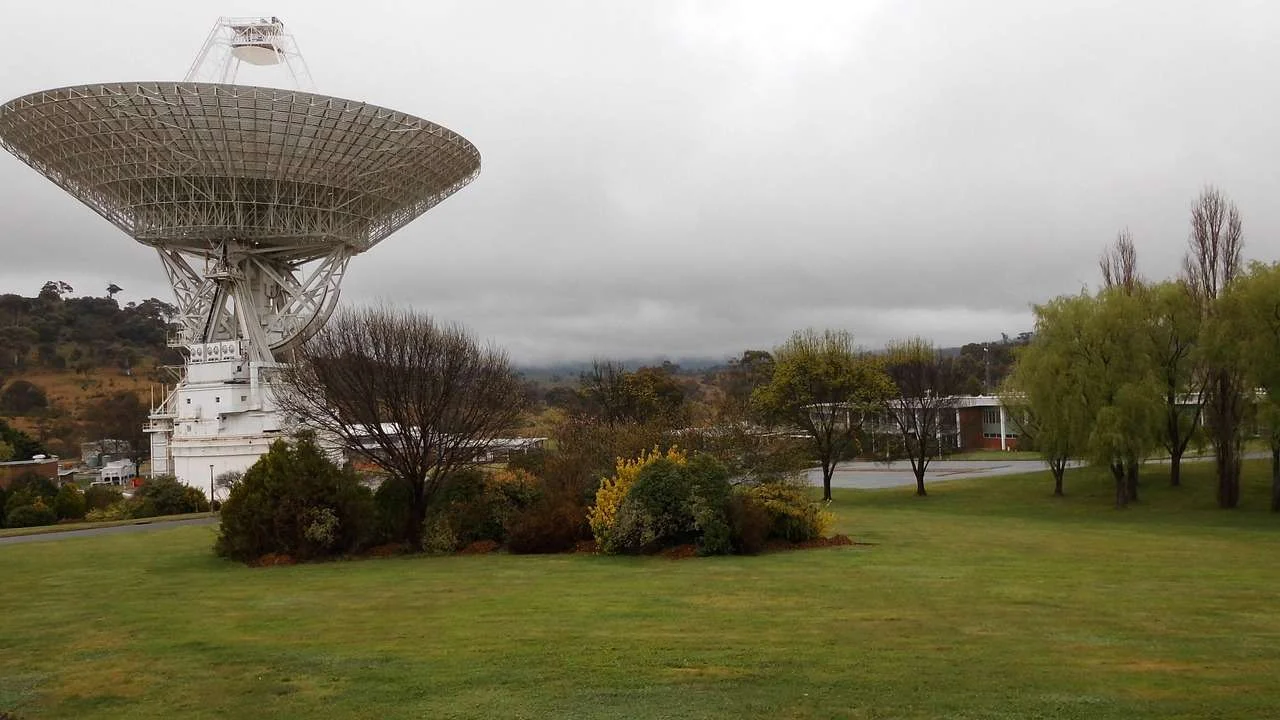
Equipment that stays on the ground can be inspected, recovered and resold, so lenders treat it much like other specialist electronic and engineering equipment.
| Equipment group | Examples |
|---|---|
| Ground stations | Tracking and telemetry antennas, teleport dishes, RF amplifiers, modems and baseband equipment |
| Satellite terminals | VSAT systems, maritime and land mobile satcom, and flyaway terminals for broadcasters and events |
| Manufacturing and test | Cleanroom equipment, thermal vacuum chambers, vibration test systems and anechoic chambers |
| Data and operations | Mission control hardware, servers and processing equipment for satellite data |
How satellites themselves are financed
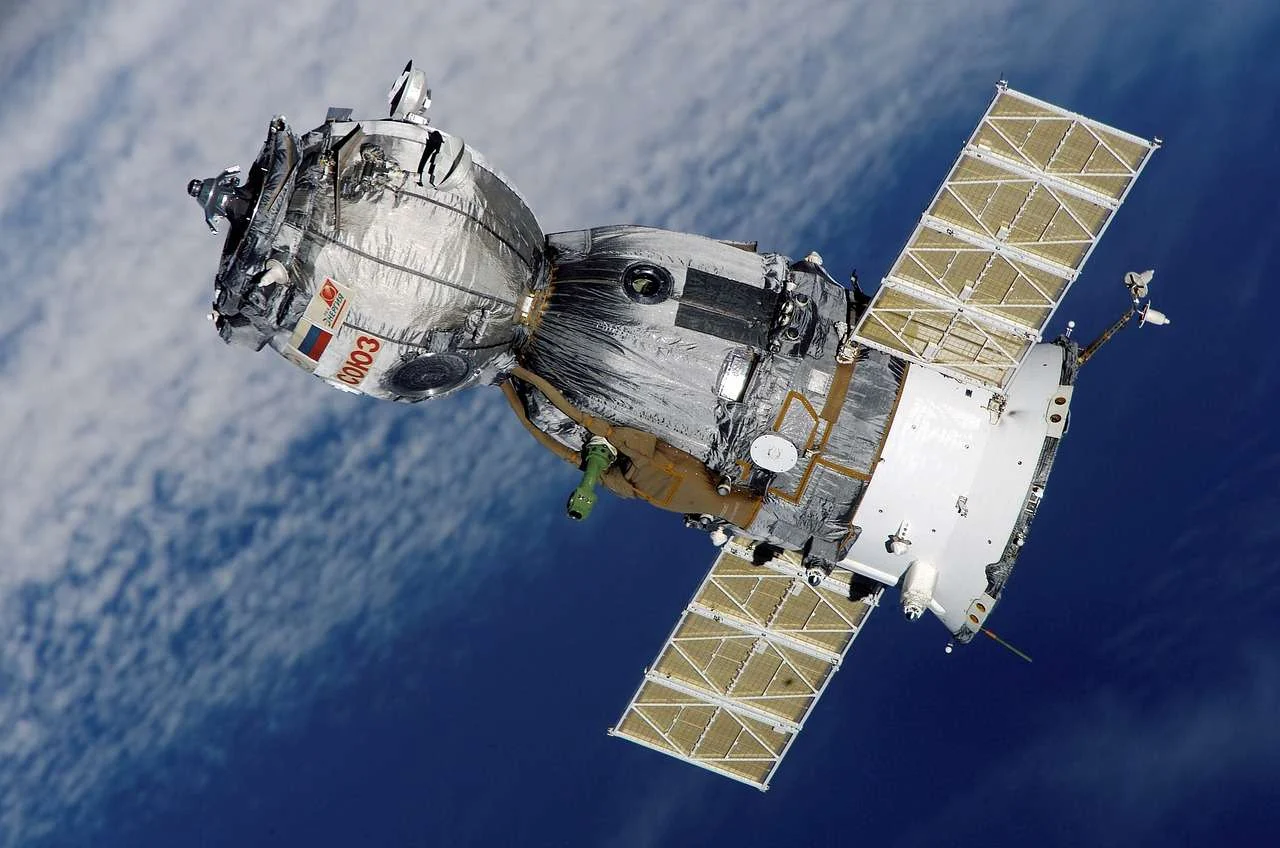
Once a satellite is launched, a lender has no practical way to take it back, and there is no international registry for security over space assets yet. The Cape Town Convention protocol on space assets was agreed in 2012 but is not yet in force. As a result, satellites are usually funded in one of these ways.
- Export credit agency loans. Government-backed lenders in the manufacturer’s country support loans for the satellite and launch.
- Manufacturer and launch provider finance. Staged or deferred payment terms agreed with the satellite builder or launch provider.
- Project finance. Loans secured on customer contracts, licences, ground infrastructure and insurance proceeds rather than the satellite itself.
- Equity and grants. Space start-ups often rely on investment and public funding before revenue starts.
- Capacity leasing. Many businesses lease bandwidth on someone else’s satellite instead of owning one. This is a service contract rather than asset finance.
In-orbit leases of whole satellites do exist between large operators, but they are uncommon. For most UK businesses, asset finance fits best on the ground segment and the equipment used to build and test spacecraft.
Hire purchase, finance lease and operating lease compared
Our types of asset finance guide covers each option in more depth.
| Option | How it works | Best for |
|---|---|---|
| Hire purchase | You pay a deposit and fixed monthly payments, and own the equipment after the final payment | Ground stations and test facilities you will run for many years |
| Finance lease | You rent the equipment for most of its working life, with VAT spread across the rentals | Large installations where VAT upfront would strain cash flow |
| Operating lease | You rent the equipment for part of its life, then hand it back or upgrade | Terminals and electronics that date quickly |
Hire purchase for satellites and ground equipment
Hire purchase suits ground stations, antennas and test equipment you plan to keep. You pay a deposit, usually 10% plus the VAT, then fixed monthly payments, and ownership passes to you after the final payment. Hire purchase on a satellite itself is rare, for the reasons set out above.
Finance lease for satellites and ground equipment
A satellite finance lease works like any finance lease: the lender owns the asset and you pay rentals for most of its useful life, then extend at a low rent or sell it on the lender’s behalf. For ground equipment this is straightforward. For a satellite, a finance lease is normally only possible for an established operator with strong contracts and insurance in place.
Operating lease for satellites and ground equipment
An operating lease sets rentals against the equipment’s expected value at the end of the term, so the lessor carries the resale risk. It suits satellite terminals and electronics that are upgraded every few years. Operating leases of satellites in orbit are mostly arranged between large operators.
Satellite equipment finance costs: a worked example
A £240,000 ground station, with tracking antennas, RF equipment, baseband systems and installation, costs about £5,375 a month on a 4-year hire purchase, or about £4,484 a month over 5 years.
| Item | 4 years | 5 years |
|---|---|---|
| Price (excl. VAT) | £240,000 | £240,000 |
| Deposit (10%) | £24,000 | £24,000 |
| VAT paid upfront | £48,000 | £48,000 |
| Monthly payment | £5,375.17 | £4,483.80 |
| Total interest | £42,008 | £53,028 |
The longer term lowers the monthly payment by about £891 but adds around £11,020 of interest.
Illustration calculated in October 2026, assuming an interest rate of 9% a year. It is not a quote. Your rate depends on your trading history, contracts, credit profile and the equipment.
VAT and tax on satellite equipment finance
| Option | VAT | Usual tax treatment |
|---|---|---|
| Hire purchase | Paid on the full price at the start, reclaimable if you are VAT registered | You may be able to claim capital allowances, and the interest is deductible |
| Finance lease | Added to each rental | Rentals are usually deductible |
| Operating lease | Added to each rental | Rentals are usually deductible |
Tax depends on your circumstances, so check the treatment with your accountant.
What lenders ask for
- Your last 2 years of filed accounts, or management accounts and a forecast if you are newer
- Your last 3 to 6 months of business bank statements
- An itemised supplier quote, showing equipment, installation and software separately
- Details of customer contracts the equipment supports, and any relevant licences
- Photo ID and address history for each director, and details of existing finance
Related guides
- Aircraft engine finance
- Manufacturing equipment finance, including test equipment
- All sectors we finance
- Types of asset finance
Who we can help
We arrange satellite equipment finance for UK limited companies and LLPs, and for sole traders and partnerships on agreements over £25,000 that are for business purposes. We are not authorised by the FCA, so we cannot arrange agreements of £25,000 or less for sole traders or partnerships of two or three partners, or finance for personal use.
Satellite finance FAQs
Can you lease a satellite?
It is possible, but uncommon. Large satellite operators sometimes lease whole satellites to each other in orbit. Most businesses that need satellite capacity lease bandwidth on someone else’s satellite instead, which is a service contract. Asset finance is mainly used for the ground equipment that connects to satellites.
What is a satellite finance lease?
It is an agreement where a lender owns a satellite or satellite equipment and rents it to an operator for most of its useful life. The operator takes the risks and rewards of using it, and pays rentals that cover the lender’s cost plus interest. For satellites in orbit, lenders usually also rely on contracts, licences and insurance as security.
What affects the cost of capital for a satellite lease?
The main factors are how much revenue is already contracted, the operator’s track record, launch and in-orbit insurance, the satellite’s expected life, and the fact that a lender cannot recover the asset once it is launched. These risks mean satellite funding usually costs more than funding for ground equipment, which can be inspected and resold.
Can I finance a satellite ground station?
Yes. Antennas, RF equipment, modems, baseband systems and installation are funded on hire purchase or leasing much like other specialist equipment. Lenders will want an itemised quote and details of the contracts the ground station supports.
How much does it cost to finance a ground station?
It depends on the equipment, the term and your business. As an illustration, a £240,000 ground station costs about £5,375 a month over 4 years on hire purchase at 9%, after a 10% deposit and the VAT paid upfront, or about £4,484 a month over 5 years.
Can a space start-up get asset finance?
Sometimes, for equipment that holds its value on the ground, such as test chambers, cleanroom equipment and ground station hardware. Lenders look for investment already raised, contracts or grants in place, and directors with relevant experience. A larger deposit or personal guarantees may be needed.
Get a satellite equipment finance quote
Tell us what you want to finance
Send us the equipment, the price and a few details about your business. We will come back with the options that are realistic and what they are likely to cost.
About the author
Marcus Wright is the owner and founder of Bolton Business Finance Ltd, which trades as Finance Assets. He has worked in financial services since 2008, beginning his career at Santander, and has been a commercial finance broker since March 2019.
He founded Bolton Business Finance in 2020 to give businesses access to the whole lending market rather than one bank’s own product range. The firm is a member of the National Association of Commercial Finance Brokers and works with a panel of 135+ lenders. Call 0161 546 9128.
Finance Assets is a trading name of Bolton Business Finance Ltd, an independent commercial finance brokerage, not a lender. We are not authorised by the Financial Conduct Authority and can only complete non-regulated introductions. All lending is for business purposes only. Registered address: Westgate House, 1 Westgate Avenue, Bolton, Greater Manchester, BL1 4RF. Company number 12495909.