
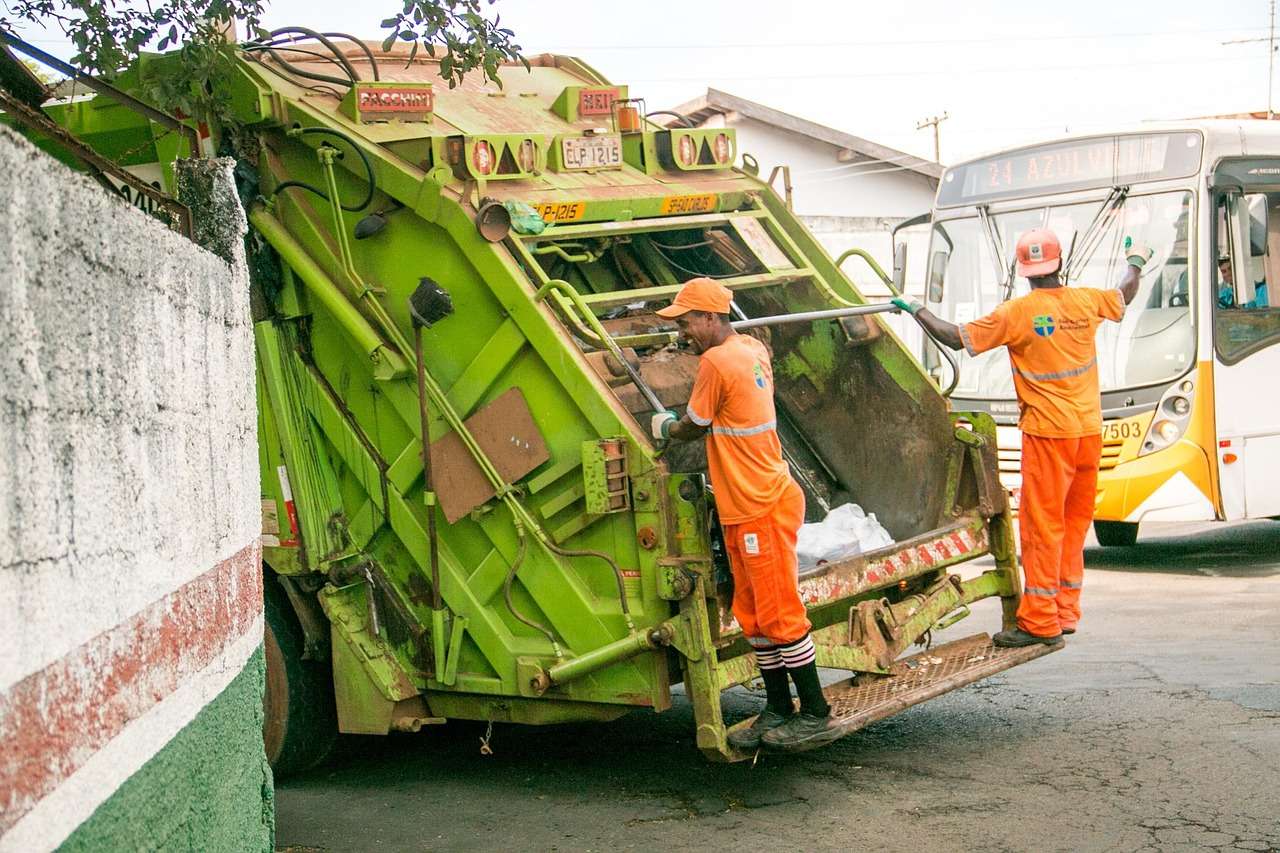
Asset finance for waste management companies spreads the cost of refuse collection vehicles, skip and hook loaders, containers, balers and transfer station plant over 3 to 7 years, so you can take on new contracts without tying up working capital.
Finance Assets arranges asset finance for waste collection firms, skip hire operators, waste transfer stations and commercial waste businesses, UK-wide. We compare a panel of 135+ lenders for each purchase, new or used, and lend to businesses only.
Written by Marcus Wright, founder of Bolton Business Finance Ltd, in financial services since 2008 and a commercial finance broker since 2019. Last reviewed October 2026.
On this page
The short version
- Asset finance for waste management companies covers refuse collection vehicles, skip and hook loaders, bins and containers, compactors, balers, shredders and transfer station plant.
- Collection contracts with businesses help lenders see how a new vehicle or fleet of bins will pay for itself.
- Lenders check your waste carrier registration, operator’s licence and site permit alongside the accounts.
- Finance Assets arranges waste management finance for limited companies and LLPs, and for sole traders and partnerships on agreements over £25,000.
| Item | Detail |
|---|---|
| Equipment covered | Refuse collection vehicles, skip loaders, hook loaders, tippers, bins, skips, RoRo containers, compactors, balers, shredders, trommels and material handlers |
| Terms | Usually 3 to 5 years for vehicles and mobile plant, and up to 7 years for new fixed processing equipment |
| Paid upfront | Hire purchase: often a 10% deposit plus VAT. Leases: usually 1 to 3 rentals in advance |
| Used equipment | Widely funded, depending on age, condition and how easily it can be resold |
| Not covered | Land, buildings, site works and permit costs, which are usually funded with a commercial loan or mortgage |
| Who we help | Limited companies and LLPs, plus sole traders and partnerships on business agreements over £25,000 |
Waste management equipment we finance
Lenders fund most of what a waste business runs, from the bins on a customer’s site to the plant in the transfer station. Vehicles and mobile plant are the easiest to fund, and containers are widely funded in batches.
| Equipment group | Examples |
|---|---|
| Collection vehicles | Rear end loaders, front end loaders, narrow access and electric refuse collection vehicles, and food waste vehicles |
| Skip and container vehicles | Skip loaders, hook loaders, RoRo vehicles, tippers, grab lorries and HGV trailers |
| Bins and containers | Wheelie bins and bulk bins, skips and RoRo containers, and compactors |
| Transfer station plant | Balers, shredders, trommels, picking lines, conveyors and weighbridges |
| Handling machines | Material handlers, loading shovels, excavators, telehandlers and forklifts |
| Site equipment | Dust suppression, fire detection, washdown systems and site cabins and welfare units |
Waste collection vehicle finance
A refuse collection vehicle is usually the largest purchase a waste collection company makes, and the one that wins or loses a route. Lenders know these vehicles well and fund them new or used.
- Chassis and body together. The chassis, compaction body and bin lift can go on one agreement, even when they come from different suppliers.
- Used vehicles. Many lenders fund used refuse collection vehicles, often up to around 7 years old at the start, depending on condition and service history.
- Electric vehicles. Electric refuse collection vehicles cost more up front but less to run. Longer terms and balloon payments help bring the monthly cost into line with diesel.
- Skip and hook loaders. Skip hire and RoRo operators can fund the vehicles and the containers they carry together, so a new contract comes with its own kit.
Bin, skip and container finance
Containers sit on customers’ sites earning rental and collection income, so lenders are used to funding them in batches. Wheelie bins, bulk bins, skips, RoRo containers and compactors can be funded on their own or with the vehicle that serves them. Our guides to waste skip finance and wheelie bin finance cover these in more depth.
Transfer station plant finance
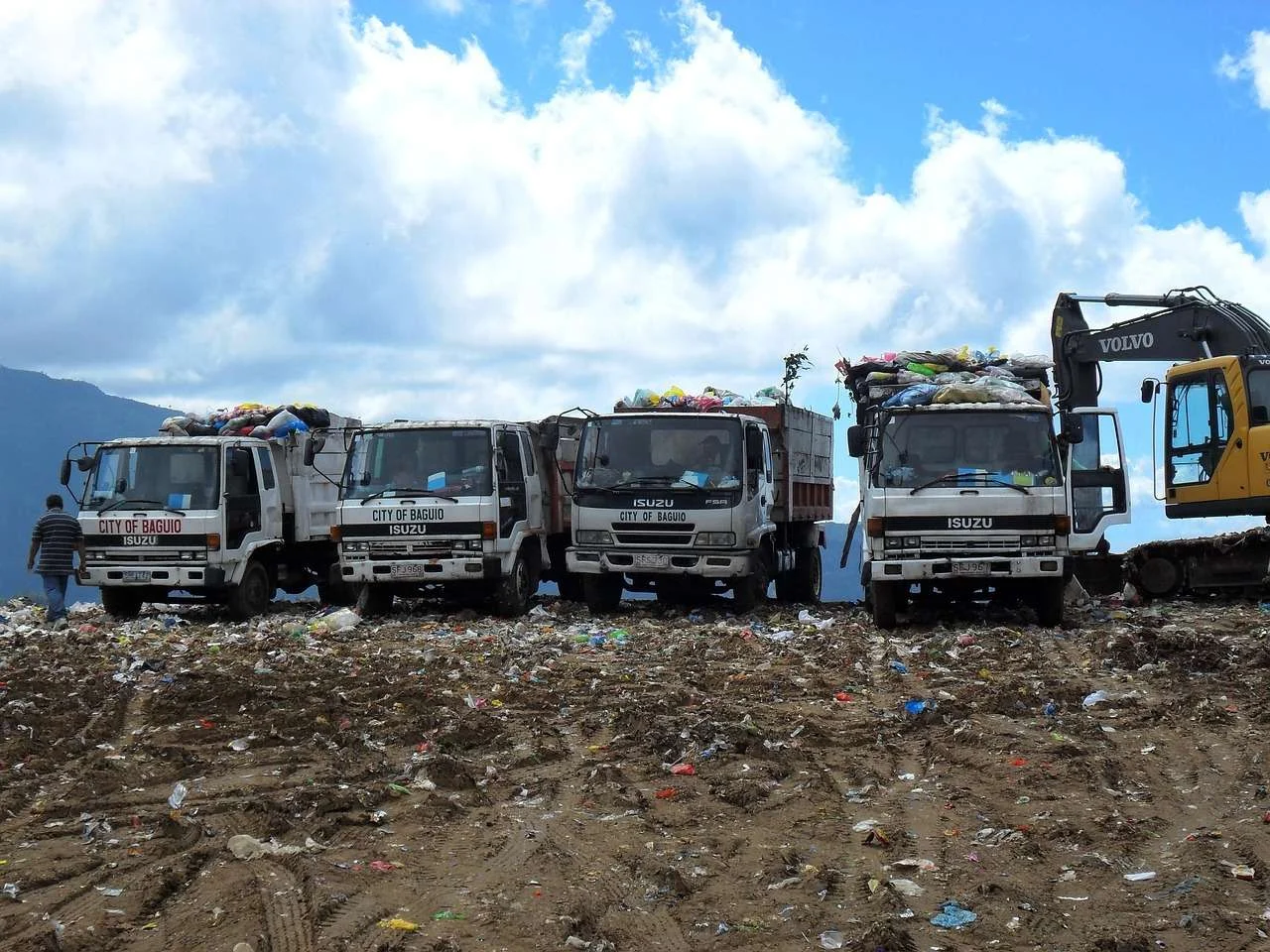
Balers, shredders, trommels and picking lines let a waste transfer station sort more material and send less to landfill. Mobile plant such as shredders and trommels is easy to fund and resell. Fixed plant is widely funded too, with the supplier’s installation included, and lenders look at the site permit and how long you hold the site.
Material handlers and loading shovels that feed the plant are funded like any other machine, new or used. If sorting and reprocessing is the main business, our guide to asset finance for recycling operations covers balers, granulators and scrap metal plant in more depth.
Finance options for waste management companies
Most waste businesses buy vehicles and plant on hire purchase. Our types of asset finance guide covers each option in more depth.
| Type | How it works | Suits |
|---|---|---|
| Hire purchase | A deposit, then fixed payments. You own the asset after the last one | Refuse collection vehicles, balers and containers you will keep for many years |
| Finance lease | Rentals with VAT added to each one. The lender owns the asset | Keeping the VAT outlay down on a large batch of bins or a new picking line |
| Operating lease or contract hire | Lower rentals set around the expected resale value. You hand the vehicle back at the end | Vehicles matched to the length of a collection contract |
| Refinance | A lender buys equipment you own and sells it back to you over a fixed term | Raising cash for new vehicles, containers or working capital |
Hire purchase for waste vehicles and plant
Hire purchase is the usual route. You pay a deposit, often around 10% plus the VAT, then fixed payments, and the asset becomes yours after the final payment and a small option fee. As the owner for tax, the business may be able to claim capital allowances against the cost. A balloon payment at the end can lower the monthly cost on a vehicle that holds its value.
Finance lease for waste equipment
A finance lease adds VAT to each rental instead of charging it on the full price at the start, which helps with a large order of containers or a new baler. The lender owns the equipment. At the end of the main term you can usually keep it on a small secondary rental.
Contract hire and operating lease for waste vehicles
When a collection contract runs for a fixed number of years, matching the vehicle to that term can make sense. Contract hire and operating leases set lower rentals around the vehicle’s expected value, sometimes with maintenance included, and you hand it back when the contract ends.
Refinancing equipment you own
If the business owns vehicles, containers or plant outright, a sale and hire purchase back lets a lender buy them and sell them back to you over a fixed term, so they stay in use. It can fund the kit for a new contract or support working capital.
VAT and tax on waste equipment finance
Hire purchase means paying the VAT up front and may bring capital allowances, while leasing spreads the VAT across the rentals.
| Type | VAT | Tax treatment |
|---|---|---|
| Hire purchase | VAT on the full price is payable at the start, and a VAT-registered business normally recovers it on its next return | The business counts as the owner for tax, so it may be able to claim capital allowances, such as the annual investment allowance, or full expensing for companies on new equipment |
| Finance lease | VAT is charged on each rental and recovered through normal returns | Rentals are usually deductible from profits |
| Operating lease or contract hire | VAT is charged on each rental | Rentals are usually deductible, and the lender takes the capital allowances |
Check with your accountant how each option fits the business’s tax position before you commit.
Refuse collection vehicle finance costs: a worked example
A new 26-tonne refuse collection vehicle at £230,000 costs about £4,297 a month over 5 years on hire purchase, or about £3,899 a month with a £30,000 balloon at the end.
| Item | No balloon | £30,000 balloon |
|---|---|---|
| Price (excl. VAT) | £230,000 | £230,000 |
| Deposit (10%) | £23,000 | £23,000 |
| VAT paid upfront | £46,000 | £46,000 |
| Amount financed | £207,000 | £207,000 |
| Monthly payment | £4,296.98 | £3,899.23 |
| Final balloon payment | None | £30,000 |
| Total interest | £50,819 | £56,954 |
The balloon lowers the monthly payment by about £398 but adds around £6,135 of interest, and leaves £30,000 to pay, refinance or cover by selling the vehicle at the end. It suits a business that expects to replace the vehicle after 5 years.
Illustration calculated in October 2026, assuming an interest rate of 9% a year. It is not a quote. Your rate depends on the business’s trading history, credit profile and the equipment.
What lenders look for in waste management companies
Lenders look at the usual financial documents, plus your licences and the contracts behind the income.
- Accounts and bank statements. The last two or three years of accounts and recent business bank statements.
- Licences and permits. Your waste carrier registration, operator’s licence for the vehicles, and the environmental permit or exemption for any site.
- Customers and contracts. Commercial collection contracts, subcontracts and how long they run. Lenders like to see the income a new vehicle or batch of bins will earn.
- Site tenure. For fixed plant, whether you own the site or how long the lease runs.
- Documents. Supplier quotes, plus photo ID and address history for each director, member or partner.
- Existing finance. A list of vehicles and equipment already on finance and what is left to pay.
Related guides
Who we can help
We arrange asset finance for waste management companies that trade as UK limited companies and LLPs, and for sole traders and partnerships on agreements over £25,000 that are for business purposes. We are not authorised by the FCA, so we cannot arrange agreements of £25,000 or less for sole traders or partnerships of two or three partners, or finance for personal use.
Asset finance for waste management companies FAQs
What can waste management companies finance?
Most vehicles and equipment can be financed, including refuse collection vehicles, skip loaders, hook loaders, tippers, wheelie bins, skips, RoRo containers, compactors, balers, shredders, trommels, picking lines and material handlers. Land, buildings and site works are usually funded separately with a commercial loan or mortgage.
Can I finance a used refuse collection vehicle?
Yes. Many lenders fund used refuse collection vehicles, often up to around 7 years old at the start of the agreement, depending on condition and service history. The chassis, compaction body and bin lift can all go on the same agreement.
Can a waste collection company finance bins and vehicles together?
Yes. Lenders can fund a collection vehicle and the bins or containers it serves on one agreement, or on separate agreements that start together. This lets a new collection contract come with its own equipment and one set of payments.
Can I finance a baler or shredder?
Yes. Balers, shredders, trommels and picking lines are widely funded, new or used. Mobile plant is the easiest to fund. For fixed plant, lenders also look at the site permit and how long you hold the site, and can include the supplier’s installation.
Do lenders need to see my waste carrier licence?
Usually, yes. Lenders check that the business holds a valid waste carrier registration, an operator’s licence for its vehicles and the right permit or exemption for any site, because the equipment cannot earn without them.
Can finance be matched to the length of a collection contract?
Often, yes. A hire purchase term or a contract hire agreement can be set to finish when the contract ends, and a balloon payment can lower the monthly cost if you plan to sell or hand back the vehicle at that point.
Can a partnership or sole trader running a waste business get asset finance?
Yes, on business agreements over £25,000. Agreements of £25,000 or less for sole traders and partnerships of two or three partners are regulated, and we are not authorised by the FCA to arrange them.
Get a waste equipment finance quote
Tell us what you want to finance
Send us the vehicle or equipment, the price, whether it is new or used, and any contract it will work on. We will come back with the options that are realistic and what they are likely to cost.
About the author
Marcus Wright is the owner and founder of Bolton Business Finance Ltd, which trades as Finance Assets. He has worked in financial services since 2008, beginning his career at Santander, and has been a commercial finance broker since March 2019.
He founded Bolton Business Finance in 2020 to give businesses access to the whole lending market rather than one bank’s own product range. The firm is a member of the National Association of Commercial Finance Brokers and works with a panel of 135+ lenders. Call 0161 546 9128.
Finance Assets is a trading name of Bolton Business Finance Ltd, an independent commercial finance brokerage, not a lender. We are not authorised by the Financial Conduct Authority and can only complete non-regulated introductions. All lending is for business purposes only. Registered address: Westgate House, 1 Westgate Avenue, Bolton, Greater Manchester, BL1 4RF. Company number 12495909.