
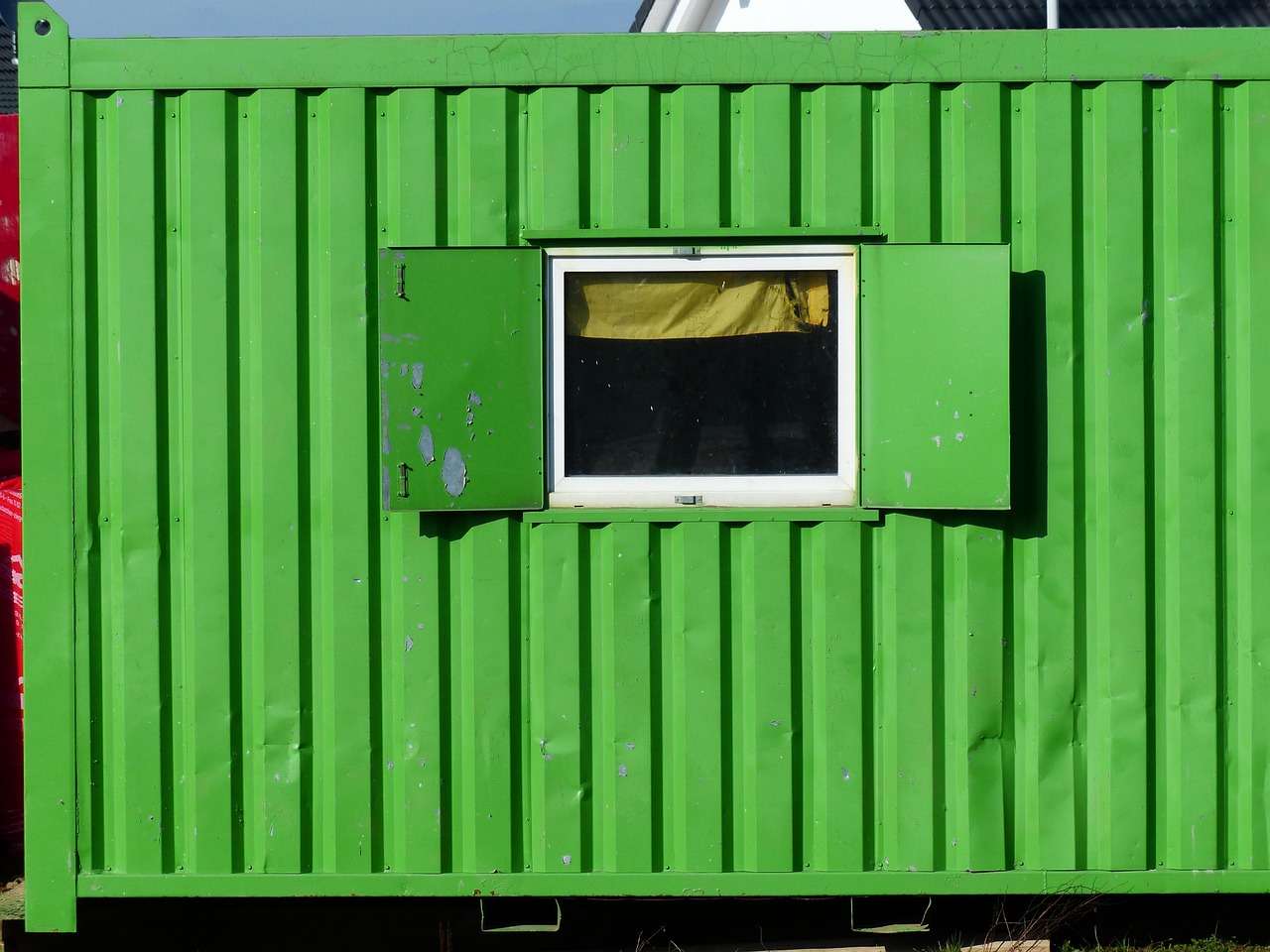
Finance Assets arranges hire purchase and leasing for UK contractors, cabin hire companies and businesses buying portable cabins, welfare units, site offices, shipping and storage containers and relocatable modular buildings.
Portable cabin and modular building finance spreads the cost over 2 to 5 years, or longer on new modular buildings, so a business can stop paying hire on units it uses all year or build a hire fleet without a large cash outlay. We are a broker, not a lender, so we compare quotes from our lender panel rather than offering one bank’s product.
Written by Marcus Wright, founder of Bolton Business Finance Ltd, in financial services since 2008 and a commercial finance broker since 2019. Last reviewed October 2026.
On this page
The short version
- Portable cabin and modular building finance spreads the cost over 2 to 5 years, and sometimes up to 7 years on new modular buildings.
- With hire purchase, the business owns the units after the final payment.
- Steel cabins, welfare units and containers last for many years and hold their value, so new and used units are widely funded.
- Lenders fund units that can be lifted and moved. Buildings fixed permanently to the land are treated as property instead.
- Finance Assets arranges this finance for limited companies and LLPs, and for sole traders and partnerships on agreements over £25,000.
| Item | Detail |
|---|---|
| Units covered | Anti-vandal and jackleg cabins, welfare units, site offices, toilet and drying room units, shipping and storage containers, container conversions and relocatable modular buildings |
| Terms | Usually 2 to 5 years, and up to 7 years on new modular buildings |
| Paid upfront | Hire purchase: often a 10% deposit plus VAT. Leases: usually 1 to 3 rentals in advance |
| New or used | Both. Used and refurbished units from established makers and dealers are widely funded |
| Extra costs | Delivery, craneage, fit-out and generators can often be included. Groundworks and service connections are more limited |
| Who we help | Limited companies and LLPs, plus sole traders and partnerships on business agreements over £25,000 |
Portable cabins, containers and modular units we finance
Lenders will fund most relocatable buildings used in a business, as long as each unit can be identified on the supplier’s quote.
| Unit type | Examples |
|---|---|
| Portable cabins | Anti-vandal steel cabins, jackleg cabins and stackable cabins used as site offices, canteens, meeting rooms and security gatehouses |
| Welfare units | Towable and static welfare units with canteen, toilet and drying room, often with on-board generators or solar power |
| Toilet and shower units | Toilet blocks, shower units and drying rooms for sites, events and agricultural workers |
| Shipping and storage containers | New one-trip and used shipping containers, secure site stores and refrigerated containers |
| Container conversions | Containers converted into offices, workshops, kiosks, cafes and pop-up shops |
| Relocatable modular buildings | Multi-unit modular offices, changing rooms, classrooms and canteens that can be taken down and moved |
We regularly see units from makers and suppliers such as Groundhog, AJC EasyCabin, Garic, Wernick and Portakabin. If you also need plant on site, see telehandler finance and waste skip finance.
Cabin and welfare unit hire fleets
Cabin hire companies and plant hire firms are some of the biggest users of this type of finance. Steel units can earn hire income for 20 years or more, which makes them a good asset for lenders.
- Funding batches. Several units can go on one agreement, with each serial number listed on the schedule. Lenders will often agree a facility so you can add units as contracts come in.
- Utilisation and contracts. Lenders look at how much of your fleet is out on hire, your hire rates and how long customers keep units. Long-term hires to contractors or councils help.
- Refurbished units. Refurbished cabins and containers from established dealers are widely funded, which lets a growing fleet add units at a lower cost.
- Raising cash on an owned fleet. If you already own units outright, a lender may refinance them to release cash for growth, using the units as security.
Contractors who hire welfare units all year round often find that owning them costs less. For other site equipment, see asset finance for civil engineering and asset finance for railway contractors.

Modular buildings and what counts as relocatable
Asset finance works on equipment that a lender could recover and sell. That matters a lot for buildings.
- Relocatable buildings. Cabins, containers and modular units that sit on simple foundations and can be lifted off and moved are funded as equipment.
- Groundworks and services. Bases, drainage, power and water connections stay on site if the unit is removed, so lenders usually fund only a limited share of them, or none.
- Permanent buildings. Modular buildings fixed permanently to the land become part of the property. These are usually better funded with a commercial mortgage or development finance, which we can also arrange.
- Delivery and fit-out. Transport, craneage, internal fit-out and furniture can usually be included, as long as the units make up most of the total.
What lenders look at on cabin and modular finance
- Construction and maker. Steel anti-vandal cabins, welfare units and containers hold their value best. Timber-framed or bespoke units have a narrower resale market.
- Age and condition. On used units, lenders look at the year built and any refurbishment. Each unit should have a serial number or plate so it can be identified.
- Where the units will be. Units on your own yard are simple. For hire fleets spread across customer sites, lenders want to see how you track and insure them.
- How the business earns. Lenders want to see how the units fit your income, whether that is hire revenue, a construction contract or saved hire costs.
Hire purchase, finance lease and operating lease compared
Hire purchase suits units you will keep for years. A lease suits you better if you want to spread the VAT or keep upfront costs low. Our types of asset finance guide covers each option in more depth.
| Option | How it works | Best for |
|---|---|---|
| Hire purchase | You pay a deposit and fixed monthly payments, and own the units after the final payment and any option fee | Hire fleets and contractors keeping units for many years |
| Finance lease | You rent the units for most of their working life. At the end you extend at a low rent, or sell them for the lender and keep most of the proceeds | Larger modular buildings where spreading the VAT helps cash flow |
| Operating lease | You rent the units for part of their life, then hand them back. Mostly available on new modular buildings through specialist lessors | Temporary accommodation needed for a set number of years |
Hire purchase for cabins and modular containers
Hire purchase is the most common choice. You pay a deposit, usually 10% plus the VAT, then fixed monthly payments, and ownership passes to you after the final payment and a small option-to-purchase fee. As the owner for tax purposes, the business may be able to claim capital allowances on the units.
Finance lease for cabins and modular containers
A finance lease keeps the upfront cost to a few rentals, and VAT is spread across the rentals rather than paid at the start. The lender owns the units throughout. At the end of the main term you can keep using them for a low secondary rent, or sell them on the lender’s behalf and receive most of the sale proceeds.
Operating lease for cabins and modular containers
An operating lease sets the rentals against what the units are expected to be worth at the end of the term, so the lender carries the resale risk. It is mostly available on new relocatable modular buildings through specialist lessors, and suits a business that needs extra space for a fixed period. At the end you hand the units back or extend the lease.
Portable cabin finance costs: a worked example
Five new welfare units at £15,000 each, £75,000 in total, cost about £1,680 a month on a 4-year hire purchase, or about £1,401 a month over 5 years. That is around £280 a month per unit over 5 years.
| Item | 4 years | 5 years |
|---|---|---|
| Price (excl. VAT) | £75,000 | £75,000 |
| Deposit (10%) | £7,500 | £7,500 |
| VAT paid upfront | £15,000 | £15,000 |
| Monthly payment | £1,679.74 | £1,401.19 |
| Total interest | £13,128 | £16,571 |
The longer term lowers the monthly payment by about £279 but adds around £3,444 of interest. If those units would otherwise be hired, compare the payment with your current monthly hire bill.
Illustration calculated in October 2026, assuming an interest rate of 9% a year. It is not a quote. Your rate depends on your trading history, credit profile and the units.
VAT and tax on portable cabin finance
| Option | VAT | Usual tax treatment |
|---|---|---|
| Hire purchase | Paid on the full price at the start, reclaimable if you are VAT registered | You may be able to claim capital allowances, such as the Annual Investment Allowance, and the interest is deductible |
| Finance lease | Added to each rental | Rentals are usually deductible |
| Operating lease | Added to each rental | Rentals are usually deductible |
Whether a modular building counts as plant or as part of a building for capital allowances depends on how it is installed, so check the treatment with your accountant.

What lenders ask for
Most portable cabin and modular building finance applications need the following.
- Your last 2 years of filed accounts, or management accounts and a forecast if you are newer
- Your last 3 to 6 months of business bank statements
- A quote from the supplier, listing each unit with its size, serial number and year if used, and showing delivery, fit-out and any groundworks separately
- For hire fleets, a summary of your current fleet, utilisation and main customers
- Photo ID and address history for each director, member or partner
- Details of any existing finance agreements
Related guides
- Site accommodation and staff housing finance, for sleeper cabins and worker accommodation
- Holiday park caravan and lodge finance
- Asset finance for civil engineering
- Asset finance for railway contractors
- Telehandler finance
- Waste skip finance
- Asset finance for demolition companies
- All sectors we finance
- Types of asset finance
Who we can help
We arrange portable cabin and modular building finance for UK limited companies and LLPs, and for sole traders and partnerships on agreements over £25,000 that are for business purposes. We are not authorised by the FCA, so we cannot arrange agreements of £25,000 or less for sole traders or partnerships of two or three partners, or finance for personal use.
Portable cabin and modular building finance FAQs
Can I finance used portable cabins or containers?
Yes. Used and refurbished steel cabins, welfare units and containers are widely funded, especially from established dealers. Lenders look at the age and condition of each unit and want serial numbers so each one can be identified.
How much does it cost to finance welfare units?
It depends on the units, the term and your business. As an illustration, five welfare units at £15,000 each cost about £1,680 a month over 4 years on hire purchase at 9%, after a 10% deposit and the VAT paid upfront, or about £1,401 a month over 5 years.
Can a cabin hire company finance its fleet?
Yes. Lenders regularly fund hire fleets of cabins, welfare units and containers, either batch by batch or through a facility you can draw on as you grow. They look at utilisation, hire rates and how you track units on customer sites.
Can I finance a modular building?
Yes, if it is relocatable and can be lifted off its base and moved. A modular building fixed permanently to the land is treated as property, so a commercial mortgage or development finance is usually a better fit.
Are groundworks and connections included?
Only in part. Delivery, craneage and fit-out can usually be included. Bases, drainage and service connections stay on site if a unit is moved, so lenders fund only a limited share of them, or none.
Is it cheaper to buy or hire site cabins?
If you need units on site for most of the year, financing your own is often cheaper than ongoing hire, and you own them at the end of a hire purchase agreement. For short projects, hiring is usually better. Compare your annual hire bill with the finance payment, insurance, transport and maintenance.
Get a portable cabin finance quote
Tell us what you want to finance
Send us the units, the price and a few details about your business. We will come back with the options that are realistic and what they are likely to cost.
About the author
Marcus Wright is the owner and founder of Bolton Business Finance Ltd, which trades as Finance Assets. He has worked in financial services since 2008, beginning his career at Santander, and has been a commercial finance broker since March 2019.
He founded Bolton Business Finance in 2020 to give businesses access to the whole lending market rather than one bank’s own product range. The firm is a member of the National Association of Commercial Finance Brokers and works with a panel of 135+ lenders. Call 0161 546 9128.
Finance Assets is a trading name of Bolton Business Finance Ltd, an independent commercial finance brokerage, not a lender. We are not authorised by the Financial Conduct Authority and can only complete non-regulated introductions. All lending is for business purposes only. Registered address: Westgate House, 1 Westgate Avenue, Bolton, Greater Manchester, BL1 4RF. Company number 12495909.