
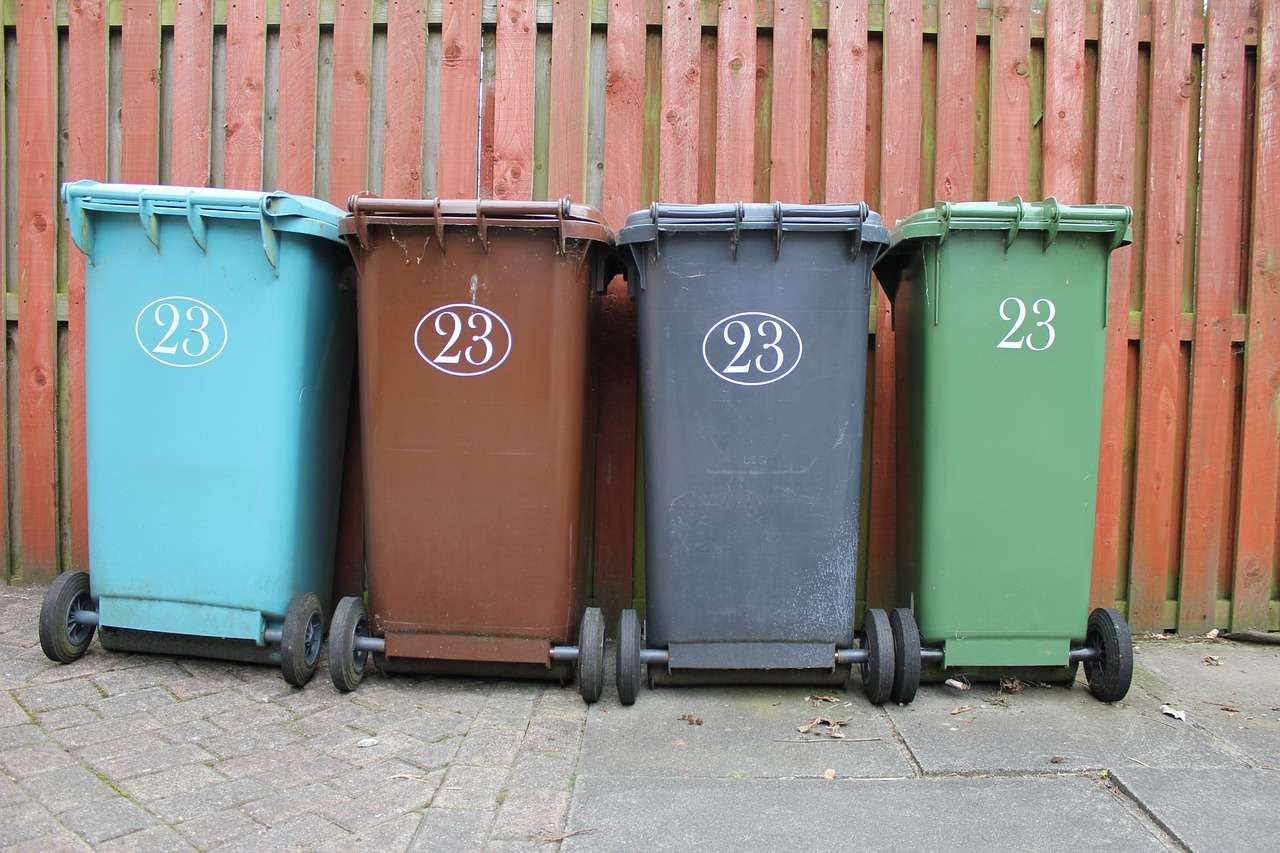
Finance Assets arranges hire purchase and leasing for UK businesses buying wheelie bins, commercial waste containers and recycling banks in bulk.
Wheelie bin finance spreads the cost of a bin order over 2 to 4 years, so a waste collection firm can take on new customers or contracts without paying for hundreds of containers upfront. We are a broker, not a lender, so we compare quotes from our lender panel rather than offering one bank’s product.
Written by Marcus Wright, founder of Bolton Business Finance Ltd, in financial services since 2008 and a commercial finance broker since 2019. Last reviewed October 2026.
On this page
The short version
- Wheelie bin finance lets a waste business spread the cost of a bin order over 2 to 4 years.
- Lenders fund bins in batches, not one at a time, so a whole order of wheelie bins, 1,100 litre containers and recycling banks can go on one agreement.
- With hire purchase, the business owns the bins after the final payment.
- Bins have little resale value, so lenders focus on the strength of the business and its customer contracts.
- Finance Assets arranges wheelie bin finance for limited companies and LLPs, and for sole traders and partnerships on agreements over £25,000.
| Item | Detail |
|---|---|
| Equipment covered | Two-wheeled wheelie bins, four-wheeled commercial containers, recycling and food waste bins, and paper, glass and can banks |
| Terms | Usually 2 to 4 years, often matched to the length of the customer contracts the bins are bought for |
| Paid upfront | Hire purchase: often a 10% deposit plus VAT. Leases: usually 1 to 3 rentals in advance |
| New or used | Mainly new. Used bins are rarely funded on their own |
| Extra costs | Branding, hot foil printing, RFID chips, locks and delivery can often be included |
| Who we help | Limited companies and LLPs, plus sole traders and partnerships on business agreements over £25,000 |
Bins and containers we finance
Lenders will fund most waste containers bought by a business, as long as they come from an identifiable manufacturer or distributor on a clear quote.
| Container type | Examples |
|---|---|
| Two-wheeled wheelie bins | 120, 140, 240 and 360 litre bins for general waste, recycling and garden waste |
| Four-wheeled containers | 660 and 1,100 litre plastic and steel containers for commercial, retail and hospitality customers |
| Recycling and food waste | Colour-coded recycling bins, food waste bins and caddies, and lockable containers for confidential waste |
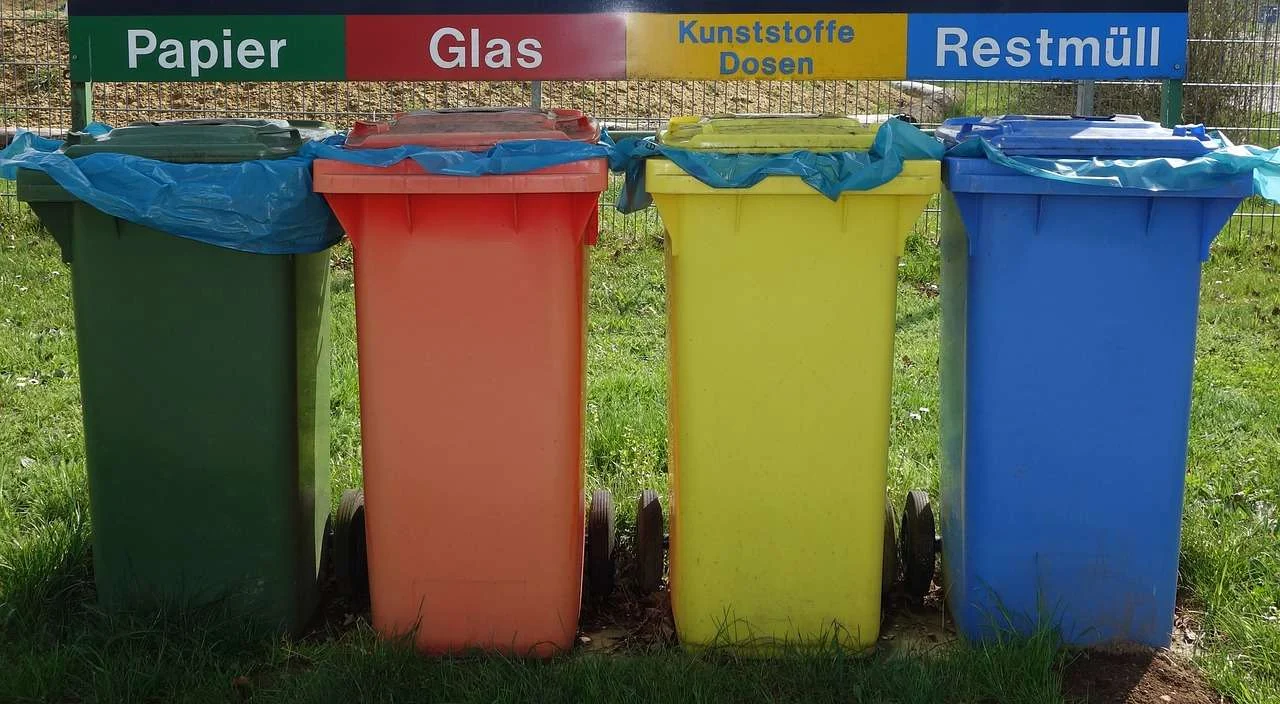
| Recycling banks | Paper, glass, can and textile banks for car parks, retail parks and recycling centres |
| Fittings and tracking | Gravity locks, lid branding, hot foil printing, RFID chips and bin sensors |
Bin lifts and weighing systems fitted to a collection vehicle are usually funded with the vehicle itself. For refuse collection vehicles and other trucks, see haulage finance.
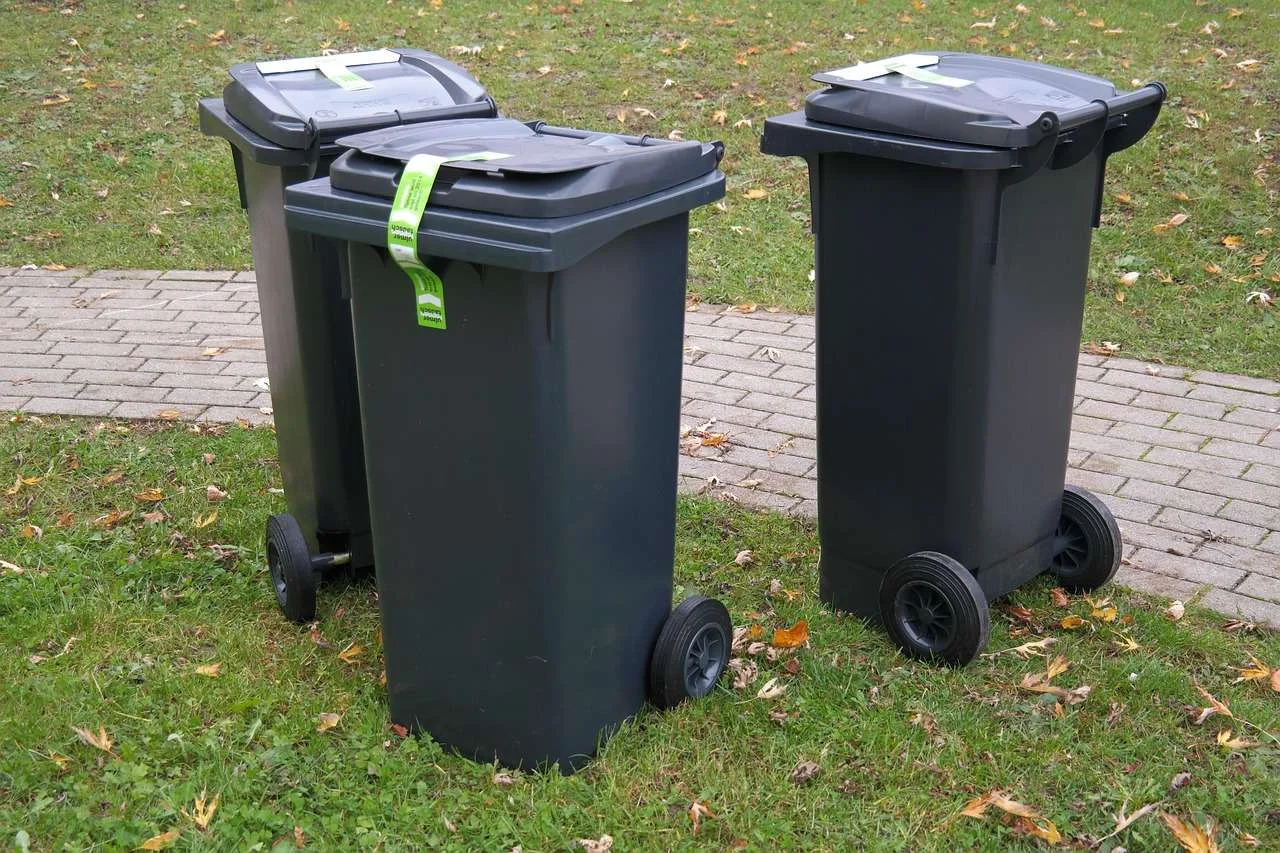
Are wheelie bins an asset?
Yes. For a waste collection business, wheelie bins and containers are tangible fixed assets: they are bought to be used in the business for more than a year, not to be sold. They normally go on the balance sheet and are depreciated over their working life, which for a plastic bin is often 5 to 10 years.
That is also why they can be financed. The difference from most assets is that each bin is worth very little on its own, so lenders treat a bin order as one asset made up of many units, rather than funding bins one by one.
What lenders look at on wheelie bin finance
- Order size. A few dozen bins is usually below a lender’s minimum deal size. Lenders are more comfortable with orders of several hundred bins, or a mix of bins and larger containers.
- Resale value. Used bins are worth little and are expensive to collect from customers, so lenders cannot rely on selling them. They look mainly at the strength of the business.
- Customer contracts. If the bins are for a new contract or a batch of new customers, lenders will often ask to see the contracts, their length and how they are priced. A term that matches the contracts makes sense to most lenders.
- Where the bins are. Bins sit at customer sites, not your yard. Lenders accept this, but expect an asset register that records serial numbers or chip IDs and where each bin is.
- Licences and compliance. Lenders may check that the business holds the right waste carrier registration and, where relevant, environmental permits.
Hire purchase, finance lease and operating lease compared
Hire purchase suits bins you will keep in service for years. A lease suits you better if you want lower upfront costs or to spread the VAT. Our types of asset finance guide covers each option in more depth.
| Option | How it works | Best for |
|---|---|---|
| Hire purchase | You pay a deposit and fixed monthly payments, and own the bins after the final payment and any option fee | Bins you will keep in service across several customer contracts |
| Finance lease | You rent the bins for most of their working life. At the end you extend at a low rent | Large orders where spreading the VAT helps cash flow |
| Operating lease | You rent the bins for part of their life, then hand them back. Rarely offered on bins, because they have little resale value | Mainly supplier rental schemes, rather than lender-funded leases |
Hire purchase for wheelie bins
Hire purchase is the most common way to fund a bin order. You pay a deposit, usually 10% plus the VAT, then fixed monthly payments, and ownership passes to you after the final payment and a small option-to-purchase fee. As the owner for tax purposes, the business may be able to claim capital allowances on the bins.
Finance lease for wheelie bins
A finance lease keeps the upfront cost to a few rentals, and VAT is spread across the rentals rather than paid at the start. The lender owns the bins throughout. At the end of the main term you can keep using them for a low secondary rent, which suits bins that are still in service at customer sites.
Operating lease for wheelie bins
An operating lease sets the rentals against what the asset is expected to be worth at the end of the term. Because used bins have little value and are costly to recover, lenders rarely offer operating leases on them. Where a business wants to rent bins and hand them back, this is usually done through a manufacturer or distributor rental scheme instead.
Wheelie bin finance costs: a worked example
A £60,000 bin order for a new batch of commercial customers, made up of around 200 four-wheeled 1,100 litre containers and 600 wheelie bins with branding and delivery, costs about £1,717 a month on a 3-year hire purchase, or about £1,344 a month over 4 years.
| Item | 3 years | 4 years |
|---|---|---|
| Price (excl. VAT) | £60,000 | £60,000 |
| Deposit (10%) | £6,000 | £6,000 |
| VAT paid upfront | £12,000 | £12,000 |
| Monthly payment | £1,717.19 | £1,343.79 |
| Total interest | £7,819 | £10,502 |
The longer term lowers the monthly payment by about £373 but adds around £2,683 of interest. If the customer contracts run for 3 years, a 3-year term means the bins are paid for by the time the contracts come up for renewal.
Illustration calculated in October 2026, assuming an interest rate of 9% a year. It is not a quote. Your rate depends on your trading history, credit profile and the equipment.
VAT and tax on wheelie bin finance
| Option | VAT | Usual tax treatment |
|---|---|---|
| Hire purchase | Paid on the full price at the start, reclaimable if you are VAT registered | You may be able to claim capital allowances, such as the Annual Investment Allowance, and the interest is deductible |
| Finance lease | Added to each rental | Rentals are usually deductible |
| Operating lease | Added to each rental | Rentals are usually deductible |
Tax depends on your circumstances, so check the treatment with your accountant.
What lenders ask for
Most wheelie bin finance applications need the following.
- Your last 2 years of filed accounts, or management accounts and a forecast if you are newer
- Your last 3 to 6 months of business bank statements
- A quote from the manufacturer or distributor, showing the bins, branding, chips and delivery separately
- Details of the customer contracts the bins are for, where relevant
- Your waste carrier registration, and photo ID and address history for each director
- Details of any existing finance agreements
Related guides
- Waste skip finance, for skips, RoRo containers and compactors
- Haulage finance
- Asset finance for demolition companies
- Types of asset finance
Who we can help
We arrange wheelie bin finance for UK limited companies and LLPs, and for sole traders and partnerships on agreements over £25,000 that are for business purposes. We are not authorised by the FCA, so we cannot arrange agreements of £25,000 or less for sole traders or partnerships of two or three partners, or finance for personal use.
Wheelie bin finance FAQs
Are wheelie bins classed as assets?
Yes. For a waste business, wheelie bins and commercial containers are tangible fixed assets, because they are used in the business for more than a year rather than sold. They normally go on the balance sheet and are depreciated over their working life.
What is the smallest bin order you can finance?
It varies by lender, but a few dozen bins is usually too small. Orders of several hundred bins, or a mix of wheelie bins and 1,100 litre containers, are easier to fund. We can help limited companies and LLPs at most sizes, and sole traders and partnerships on agreements over £25,000.
How much does it cost to finance a bin order?
It depends on the order, the term and your business. As an illustration, a £60,000 bin order costs about £1,717 a month over 3 years on hire purchase at 9%, after a 10% deposit and the VAT paid upfront, or about £1,344 a month over 4 years.
What does it mean to lease bins?
Leasing bins means a lender buys them and you pay a monthly rental to use them, rather than owning them. On a finance lease you keep using the bins at the end for a low rent. Some manufacturers and distributors also run their own rental schemes, where bins can be handed back.
Can branding, RFID chips and delivery be included?
Usually, yes. Lid branding, hot foil printing, RFID chips, locks and delivery can normally go on the same agreement as the bins, as long as they are on the supplier’s quote.
Can a new waste collection company get bin finance?
Yes, although lenders look more closely at newer companies. They may ask for a larger deposit, a personal guarantee from the directors, or copies of signed customer contracts. Directors with experience in waste collection and a waste carrier registration in place both help.
Get a wheelie bin finance quote
Tell us what you want to finance
Send us the bin order, the price and a few details about your business. We will come back with the options that are realistic and what they are likely to cost.
About the author
Marcus Wright is the owner and founder of Bolton Business Finance Ltd, which trades as Finance Assets. He has worked in financial services since 2008, beginning his career at Santander, and has been a commercial finance broker since March 2019.
He founded Bolton Business Finance in 2020 to give businesses access to the whole lending market rather than one bank’s own product range. The firm is a member of the National Association of Commercial Finance Brokers and works with a panel of 135+ lenders. Call 0161 546 9128.
Finance Assets is a trading name of Bolton Business Finance Ltd, an independent commercial finance brokerage, not a lender. We are not authorised by the Financial Conduct Authority and can only complete non-regulated introductions. All lending is for business purposes only. Registered address: Westgate House, 1 Westgate Avenue, Bolton, Greater Manchester, BL1 4RF. Company number 12495909.