
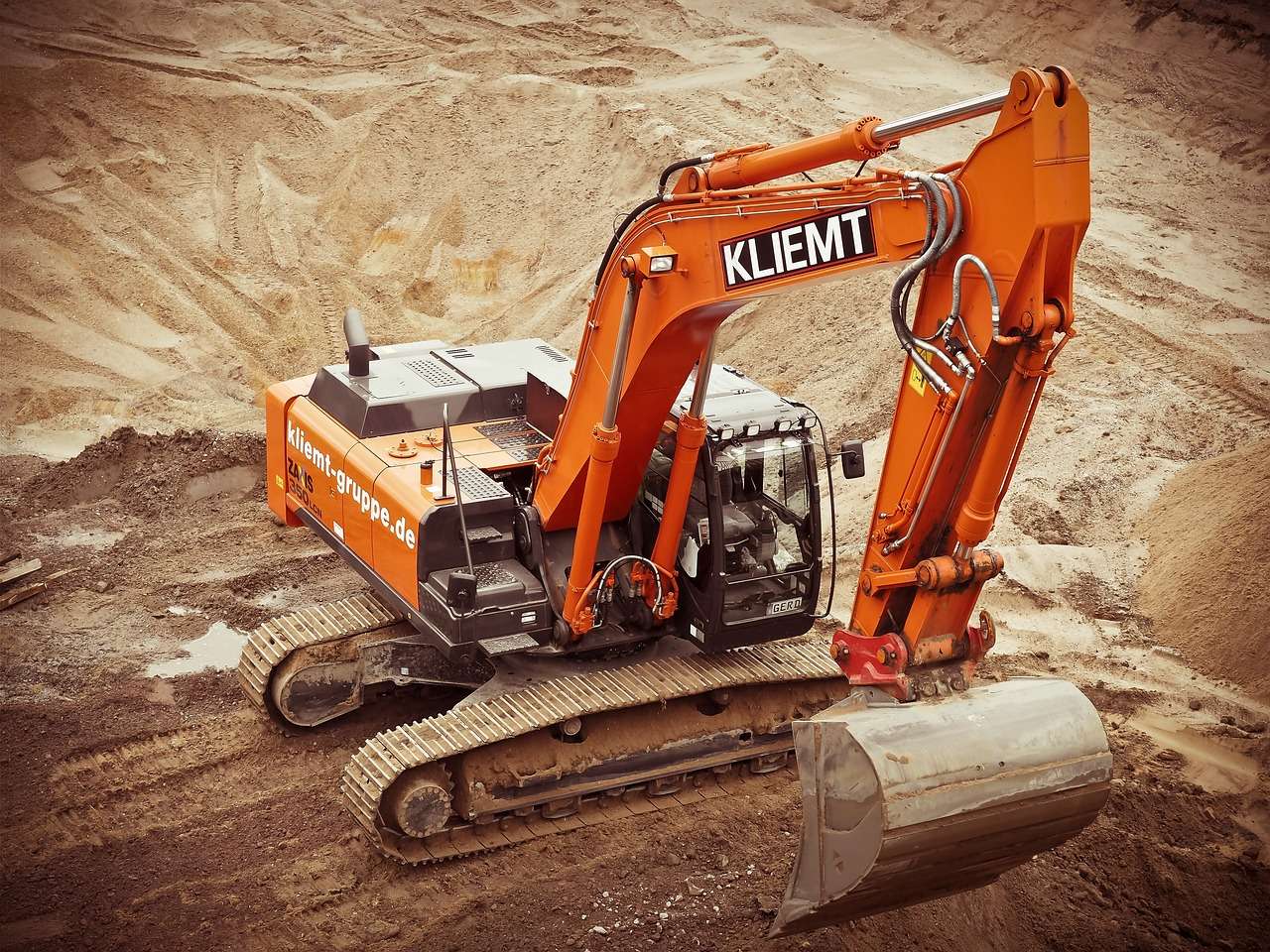
Asset finance for plant hire companies spreads the cost of excavators, dumpers, rollers and access platforms over 2 to 5 years, so the hire income from each machine helps cover its own payments.
Finance Assets arranges plant hire finance for independent hire firms, operated plant contractors and groundworks businesses that run their own hire fleet, UK-wide including London. We compare a panel of 135+ lenders for each machine, new, used or ex-hire, and lend to businesses only.
Written by Marcus Wright, founder of Bolton Business Finance Ltd, in financial services since 2008 and a commercial finance broker since 2019. Last reviewed October 2026.
On this page
The short version
- Asset finance for plant hire companies covers excavators, dumpers, rollers, telehandlers, access platforms, generators, welfare units and the low loaders that move them.
- Hire purchase is the usual route for hire fleet, and a balloon payment can line the final payment up with the machine’s ex-hire resale value.
- Lenders look at your fleet utilisation, hire income and customer spread, as well as your accounts.
- Finance Assets arranges plant hire finance for limited companies and LLPs, and for sole traders and partnerships on agreements over £25,000.
| Item | Detail |
|---|---|
| Equipment covered | Excavators, dumpers, rollers, telehandlers, access platforms, compaction, generators, lighting towers, welfare units, attachments and low loaders |
| Terms | Usually 2 to 5 years, often matched to your fleet replacement cycle |
| Paid upfront | Hire purchase: often a 10% deposit plus VAT. Leases: usually 1 to 3 rentals in advance |
| New or used | New, used and ex-hire plant from dealers, manufacturers and auctions |
| Extra costs | Attachments, trackers, delivery and first registration can often be included |
| Who we help | Limited companies and LLPs, plus sole traders and partnerships on business agreements over £25,000 |
Plant we finance
Lenders fund most of the plant a hire firm puts out on site, provided it comes from an identifiable supplier and holds its resale value. Machines from the major manufacturers are the easiest to fund, because the second-hand market for them is deep.
| Equipment group | Examples |
|---|---|
| Excavators | Micro and mini excavators, midi excavators, 13 to 14-tonne machines, 20-tonne and larger crawlers, and wheeled excavators |
| Earthmoving and site dumpers | Forward tipping and swivel dumpers, tracked dumpers, articulated dump trucks and backhoe loaders |
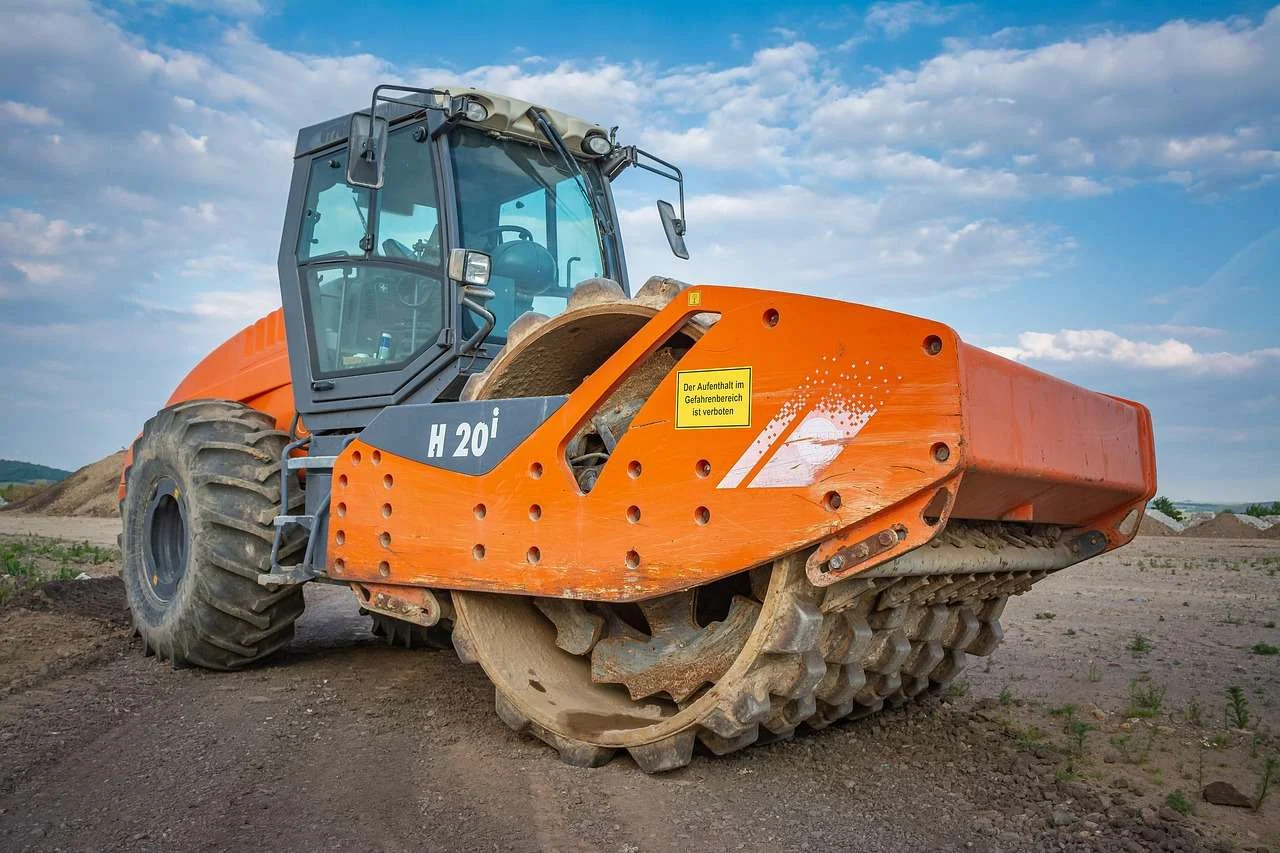
| Compaction | Ride-on rollers, pedestrian rollers, plate compactors and trench rammers |
| Lifting and access | Telehandlers, scissor lifts, boom lifts and other MEWPs, plus site forklifts |
| Power and site services | Generators, lighting towers, compressors, pumps and fuel bowsers |
| Welfare and accommodation | Welfare units, site offices and toilet blocks. See portable cabin finance |
| Attachments and small plant | Breakers, buckets, grabs, tilt rotators and small tool hire stock, usually funded alongside a machine |
| Transport | Plant trailers, beavertail lorries, tractor units and low loaders. See HGV and trailer finance |
How plant hire firms use asset finance
Most plant hire finance goes on adding machines to meet demand and on replacing older fleet before it starts losing hire days.
- Growing the fleet. When a machine type is out on hire most weeks, adding another lets you take work you would otherwise turn away or cross-hire in at a lower margin.
- Replacing older plant. Many hire firms rotate machines every 3 to 5 years, selling them ex-hire while they still hold good value, and finance the replacements on terms that match.
- Winning a contract. A long-term hire or framework contract can justify buying the machines it needs, and lenders take the contract into account.
- Meeting emissions rules. Customers working in clean air zones and on major projects increasingly ask for newer, lower-emission or electric plant, which means updating the fleet.
- Releasing cash from owned fleet. Plant you own outright can be refinanced to fund new machines, a second depot or working capital.
Finance options for plant hire companies
Most hire firms buy their fleet on hire purchase, because they want to own and eventually sell each machine. Our types of asset finance guide covers each option in more depth.
| Type | How it works | Suits |
|---|---|---|
| Hire purchase | A deposit, then fixed monthly payments. You own the machine after the last one | Core hire fleet you will run for its full life or sell ex-hire |
| Hire purchase with a balloon | Lower monthly payments, with a larger final payment set against the expected resale value | Plant you plan to sell ex-hire at the end of the term |
| Finance lease | Rentals with VAT added to each one. The lender owns the machine | Keeping the deposit and VAT outlay down on a large fleet order |
| Operating lease | Lower rentals set around the expected resale value. You hand the machine back at the end | Access platforms and plant tied to a single fixed-term contract |
| Refinance | A lender buys plant you own and sells it back to you over a fixed term | Raising cash for new machines or working capital |
Hire purchase for plant hire companies
Hire purchase for plant hire companies is the standard way to build a fleet. You pay a deposit, often around 10% plus the VAT, then fixed monthly payments, and the machine becomes yours after the final payment and a small option fee. As the owner for tax, you may be able to claim capital allowances against the cost, and you are free to sell the machine ex-hire once it is paid for.
Balloon payments for plant
A balloon payment moves part of the cost to the end of a hire purchase agreement, which lowers the monthly payment. It suits machines you expect to sell ex-hire, because the sale can clear the balloon. Lenders set the balloon conservatively against the expected resale value, and you still owe it if the machine sells for less.
Finance lease for plant
A finance lease for plant adds VAT to each rental instead of charging it on the full price at the start, which helps when several machines arrive together. The lender owns the plant. At the end of the main term you can usually keep it on a small secondary rental, or sell it on the lender’s behalf and keep most of the proceeds.
Operating lease for plant
An operating lease for plant sets lower rentals around what the machine should be worth at the end, and you hand it back when the term finishes. Hire firms use it less often, but it can suit access platforms and machines bought for a single fixed-term contract, where you do not want the resale risk.
Refinancing a plant hire fleet
If you own plant outright, a sale and hire purchase back lets a lender buy it and sell it back to you over a fixed term, so the machines stay on hire. Lenders advance more against newer machines from major manufacturers than against older or less common plant.
Used and ex-hire plant
Used and ex-hire plant from dealers is widely funded, and some lenders also fund auction and private purchases after an inspection or valuation. Older machines may be offered a shorter term, because lenders usually cap the machine’s age at the end of the agreement, and they will look at the hours as well as the year.
Expect to provide the supplier’s invoice, and the make, model, serial number, year and hours of each machine. Manufacturer finance offers can be competitive on new plant, so it is worth comparing them with the wider market before you sign.
VAT and tax on plant hire finance
Hire purchase means paying the VAT up front and may bring capital allowances, while leasing spreads the VAT across the rentals.
| Type | VAT | Tax treatment |
|---|---|---|
| Hire purchase | VAT on the full price is payable at the start, and a VAT-registered company normally recovers it on its next return | The company counts as the owner for tax, so it may be able to claim capital allowances. Plant bought for hiring out is generally excluded from full expensing, so the annual investment allowance usually applies instead |
| Finance lease | VAT is charged on each rental and recovered through normal returns | Rentals are usually deductible from profits |
| Operating lease | VAT is charged on each rental | Rentals are usually deductible, and the lender takes the capital allowances |
Check with your accountant how each option fits your company’s tax position before you commit.
Excavator finance costs: a worked example
A new 14-tonne excavator with buckets and a tracker at £110,000 costs about £2,464 a month over 4 years on hire purchase, or about £2,055 a month over 5 years.
| Item | 4 years | 5 years |
|---|---|---|
| Price including buckets and tracker (excl. VAT) | £110,000 | £110,000 |
| Deposit (10%) | £11,000 | £11,000 |
| VAT paid upfront | £22,000 | £22,000 |
| Amount financed | £99,000 | £99,000 |
| Monthly payment | £2,463.62 | £2,055.08 |
| Total interest | £19,254 | £24,305 |
The 5-year term lowers the monthly payment by about £409 but adds around £5,051 of interest. A hire firm will usually set the payment against the weekly hire rate and how many weeks a year the machine is out. If the excavator is booked on a long contract, the shorter term clears it sooner. If it is joining the general fleet, the lower payment leaves more headroom in quieter months.
Illustration calculated in October 2026, assuming an interest rate of 9% a year. It is not a quote. Your rate depends on your trading history, credit profile and the plant.
What lenders look for in plant hire companies
Lenders look at the usual financial documents, plus how hard your fleet works and how well it is protected.
- Accounts and bank statements. The last two years of filed accounts, recent management accounts and three to six months of business bank statements.
- Utilisation and hire income. How often each machine type is out on hire and what it earns. A fleet that is busy most weeks is a strong case for adding more of the same.
- Customers. Who you hire to and how much of your income comes from each. A spread of contractors is better than one or two main customers.
- Fleet list and security. The make, model, age and hours of the plant you run, plus the trackers, immobilisers and security marking you use, because plant theft is a real risk for lenders.
- Documents. Supplier quotes, plus photo ID and address history for each director, member or partner.
- Existing finance. A list of plant already on finance and what is left to pay.
Related guides
- Business and site equipment finance
- Telehandler finance
- Portable cabin and welfare unit finance
- HGV and trailer finance
- Asset finance for civil engineering firms
- Asset finance for demolition companies
- Asset finance for quarry operators
- Asset finance for landscaping and grounds maintenance
- All sectors we finance
Who we can help
We arrange asset finance for plant hire companies that trade as UK limited companies and LLPs, and for sole traders and partnerships on agreements over £25,000 that are for business purposes. We are not authorised by the FCA, so we cannot arrange agreements of £25,000 or less for sole traders or partnerships of two or three partners, or finance for personal use.
Asset finance for plant hire FAQs
What can plant hire companies finance?
Most hire plant can be financed, including excavators, dumpers, rollers, telehandlers, access platforms, generators, lighting towers, welfare units and attachments, plus the low loaders and plant trailers that move them. Machines from the major manufacturers with a strong second-hand market are the easiest to fund.
Can I finance used or ex-hire plant?
Yes. Used and ex-hire plant from dealers is widely funded, and some lenders fund auction and private purchases after an inspection or valuation. Older machines may be offered a shorter term, because lenders usually cap the machine’s age at the end of the agreement and look at the hours as well as the year.
How long can plant hire finance run?
Most plant hire finance runs for 2 to 5 years. Many hire firms match the term to their fleet replacement cycle, so each machine is paid for, or close to it, by the time they want to sell it ex-hire. Used plant is usually offered shorter terms.
Should I use a balloon payment on hire fleet?
A balloon payment lowers the monthly cost by moving part of it to the end of the agreement, and it suits plant you plan to sell ex-hire, because the sale can clear the balloon. Lenders set it conservatively against the expected resale value, and you still owe it if the machine sells for less.
Can payments follow the seasons?
Some lenders offer seasonal payment profiles, with lower payments in the winter months when less plant is out on hire and higher payments in the busy season. A short payment holiday at the start can also give a new machine time to start earning. Not every lender offers this, so it is worth asking at quote stage.
Can a new plant hire business get asset finance?
Yes, although lenders look more closely at businesses with less than two years of accounts. They may ask for a larger deposit, personal guarantees from the directors or evidence of the hire work lined up. Directors with a background in plant or construction and a clean credit history make an application easier.
Can I raise cash against plant I already own?
Yes. Through a sale and hire purchase back, a lender buys plant you own outright and sells it back to you over a fixed term, so the machines stay on hire. Newer machines from major manufacturers raise more than older or less common plant. Hire firms use it to fund new machines or add working capital.
Get a plant hire finance quote
Tell us about the plant
Send us the machine, the price and whether it is new, used or ex-hire, plus a few details about your fleet and customers. We will come back with the options that are realistic and what they are likely to cost.
About the author
Marcus Wright is the owner and founder of Bolton Business Finance Ltd, which trades as Finance Assets. He has worked in financial services since 2008, beginning his career at Santander, and has been a commercial finance broker since March 2019.
He founded Bolton Business Finance in 2020 to give businesses access to the whole lending market rather than one bank’s own product range. The firm is a member of the National Association of Commercial Finance Brokers and works with a panel of 135+ lenders. Call 0161 546 9128.
Finance Assets is a trading name of Bolton Business Finance Ltd, an independent commercial finance brokerage, not a lender. We are not authorised by the Financial Conduct Authority and can only complete non-regulated introductions. All lending is for business purposes only. Registered address: Westgate House, 1 Westgate Avenue, Bolton, Greater Manchester, BL1 4RF. Company number 12495909.