
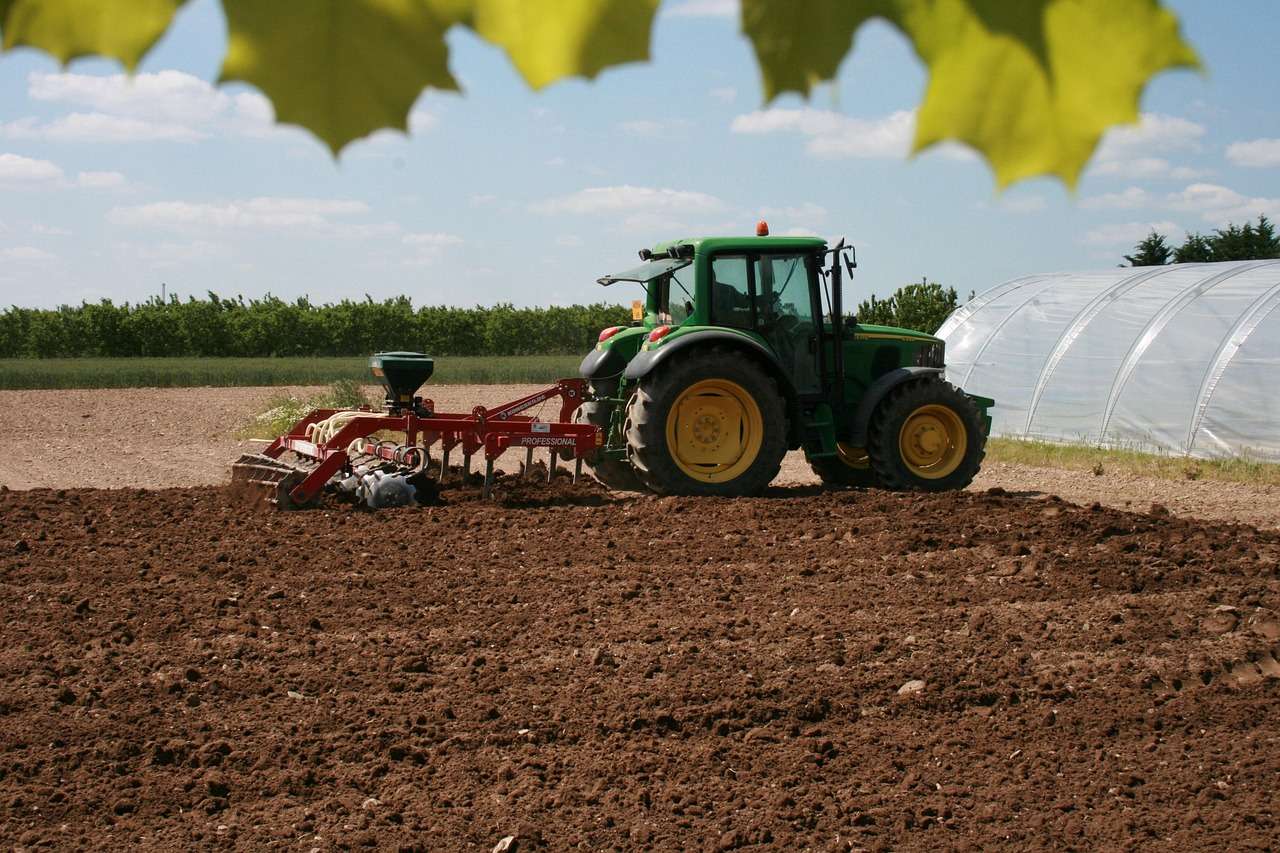
Asset finance for agricultural contractors spreads the cost of tractors, harvesters, balers and sprayers over 2 to 7 years, with payments that can be monthly, seasonal or annual to match when your customers pay you.
Finance Assets arranges agricultural contractor finance for contracting businesses offering drilling, spraying, harvesting, silage, baling, muck spreading and hedge cutting, UK-wide. We compare a panel of 135+ lenders for each machine, new or used, and lend to businesses only.
Written by Marcus Wright, founder of Bolton Business Finance Ltd, in financial services since 2008 and a commercial finance broker since 2019. Last reviewed October 2026.
On this page
The short version
- Asset finance for agricultural contractors covers tractors, combines, forage harvesters, balers, sprayers, drills, slurry and muck spreading kit, trailers and telehandlers.
- Hire purchase is the usual route, and payments can be set monthly, seasonally or once a year after harvest.
- Lenders look at your customer base, how long you have worked for each farm and your machinery list, as well as your accounts.
- Finance Assets arranges agricultural contractor finance for limited companies and LLPs, and for sole traders and partnerships on agreements over £25,000.
| Item | Detail |
|---|---|
| Machinery covered | Tractors, combines, forage harvesters, balers, sprayers, drills and cultivation kit, slurry and muck spreading equipment, trailers, telehandlers and hedge cutters |
| Terms | Usually 2 to 5 years, and up to 7 years for new, high-value machines such as combines and forage harvesters |
| Paid upfront | Hire purchase: often a 10% deposit plus VAT. Leases: usually 1 to 3 rentals in advance |
| Payment profile | Monthly, quarterly, seasonal or annual, depending on the lender |
| New or used | Both, from dealers, auctions and private sales |
| Who we help | Limited companies and LLPs, plus sole traders and partnerships on business agreements over £25,000 |
Agricultural machinery we finance
Lenders fund most of the machinery a contractor runs, provided it comes from an identifiable supplier and holds its resale value. Machines from the major manufacturers are the easiest to fund, because the second-hand market for them is strong in the UK and abroad.
| Machinery group | Examples |
|---|---|
| Tractors | High-horsepower tractors, tracked tractors and loader tractors, plus front linkages and guidance systems. See tractor and farm machinery finance |
| Harvesting | Combine harvesters, headers, self-propelled forage harvesters and potato and beet harvesters |
| Grass and forage | Mowers, tedders, rakes, round and square balers, bale wrappers and forage wagons |
| Cultivation and drilling | Ploughs, cultivators, power harrows, direct drills and precision drills |
| Spraying and spreading | Self-propelled and trailed sprayers, fertiliser spreaders, slurry tankers, umbilical systems and muck spreaders |
| Handling | Telehandlers and loading shovels |
| Transport | Grain and silage trailers, low loaders and the lorries that move kit between jobs. See HGV and trailer finance |
| Hedging and estate work | Hedge cutters, flails, verge mowers and forestry attachments |
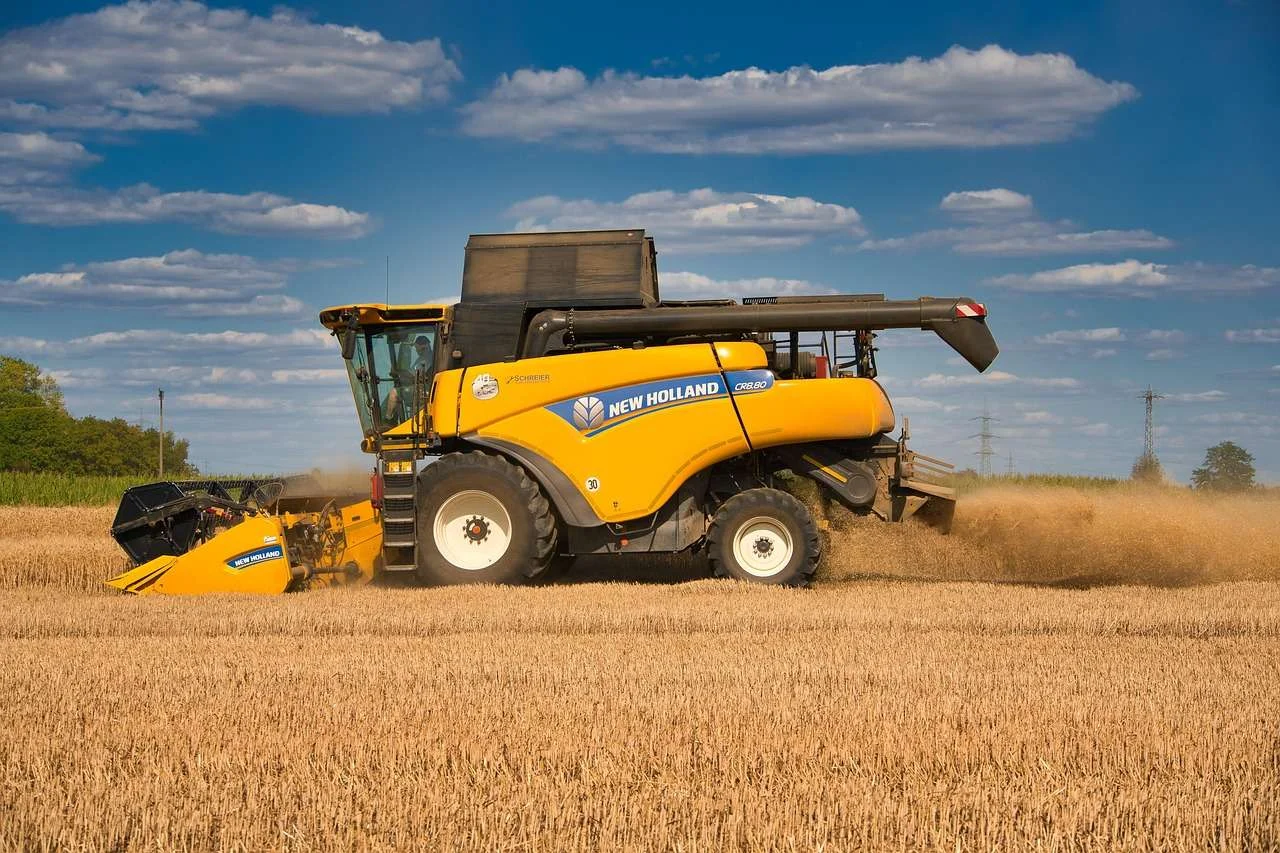
How agricultural contractors use asset finance
Most contractor finance goes on adding capacity for a growing customer list and on replacing machines before breakdowns cost work in the busy season.
- Taking on more acres. As farms cut their own machinery and use contractors instead, a bigger combine, a second baler or a wider drill lets you cover more ground in the same weather window.
- Replacing machines before the season. Breakdowns at silage or harvest cost customers, so many contractors change key machines on a set cycle and time new deliveries for the spring or summer.
- Adding a new service. Moving into umbilical slurry spreading, direct drilling or hedge cutting means buying kit before the first season’s income arrives.
- Precision and compliance. Guidance systems, section control and low-emission spreading equipment help meet customer and regulatory requirements.
- Releasing cash from owned machines. Machinery you own outright can be refinanced to fund new kit or carry the business between seasons.
Finance options for agricultural contractors
Most contractors buy machinery on hire purchase and use leasing for some tractors and specialist kit. Our types of asset finance guide covers each option in more depth.
| Type | How it works | Suits |
|---|---|---|
| Hire purchase | A deposit, then fixed payments. You own the machine after the last one | Tractors, combines and balers you will run for many seasons |
| Hire purchase with a balloon | Lower regular payments, with a larger final payment set against the expected resale value | Machines you change on a set cycle and trade in or sell |
| Finance lease | Rentals with VAT added to each one. The lender owns the machine | Keeping the deposit and VAT outlay down on a large machine |
| Operating lease | Lower rentals set around the expected resale value, often with an hours limit. You hand the machine back at the end | Tractors you replace every 2 or 3 years |
| Refinance | A lender buys machinery you own and sells it back to you over a fixed term | Raising cash for new machines or working capital |
Hire purchase for agricultural contractors
Hire purchase for agricultural contractors is the usual route, because a well-maintained tractor or combine stays in work for many seasons. You pay a deposit, often around 10% plus the VAT, then fixed payments, and the machine becomes yours after the final payment and a small option fee. As the owner for tax, you may be able to claim capital allowances against the cost.
Finance lease for agricultural machinery
A finance lease for agricultural machinery adds VAT to each rental instead of charging it on the full price at the start, which helps when a combine or forage harvester arrives just before the season. The lender owns the machine. At the end of the main term you can usually keep it on a small secondary rental, or sell it on the lender’s behalf and keep most of the proceeds.
Operating lease for tractors
An operating lease sets lower rentals around what the tractor should be worth at the end, and you hand it back when the term finishes. Agreements usually include an annual hours limit, with a charge for hours over it, so it suits contractors who change tractors every 2 or 3 years and can predict their workload.
Refinancing agricultural machinery you own
If you own machinery outright, a sale and hire purchase back lets a lender buy it and sell it back to you over a fixed term, so it stays in work. Lenders advance more against newer machines from major manufacturers than against older or specialist kit.
Seasonal and annual payments
Contracting income is uneven. Most of it arrives after silage, harvest and autumn drilling, and some farm customers pay on long terms. Many agricultural lenders will set payments to fit that pattern rather than a fixed monthly amount.
- Seasonal payments. Higher payments in the months when you invoice most, and lower or no payments in the quiet months.
- Annual or half-yearly payments. One or two larger payments a year, usually timed for after harvest.
- Deferred first payment. A gap of a few months before the first payment, so a machine delivered in spring can earn before it starts costing.
Paying less often usually costs more interest overall, because the balance comes down more slowly. The worked example below shows the difference.
Used agricultural machinery
Used machinery from dealers is widely funded, and some lenders also fund farm sales, auctions and private purchases after an inspection or valuation. Lenders look at the hours as well as the year, and older machines may be offered a shorter term, because lenders usually cap the machine’s age at the end of the agreement.
Expect to provide the supplier’s invoice, and the make, model, serial number, year and hours of each machine. Manufacturer finance offers can be competitive on new machinery, so it is worth comparing them with the wider market before you sign.
VAT and tax on agricultural contractor finance
Hire purchase means paying the VAT up front and may bring capital allowances, while leasing spreads the VAT across the rentals.
| Type | VAT | Tax treatment |
|---|---|---|
| Hire purchase | VAT on the full price is payable at the start, and a VAT-registered business normally recovers it on its next return | The business counts as the owner for tax, so it may be able to claim capital allowances, such as full expensing for companies or the annual investment allowance on new machinery |
| Finance lease | VAT is charged on each rental and recovered through normal returns | Rentals are usually deductible from profits |
| Operating lease | VAT is charged on each rental | Rentals are usually deductible, and the lender takes the capital allowances |
Check with your accountant how each option fits your tax position before you commit.
Tractor finance costs: a worked example
A new 250hp tractor with guidance at £130,000 costs about £2,429 a month over 5 years on hire purchase, or about £30,080 a year if you pay once a year after harvest.
| Item | Monthly payments | Annual payments |
|---|---|---|
| Price including guidance (excl. VAT) | £130,000 | £130,000 |
| Deposit (10%) | £13,000 | £13,000 |
| VAT paid upfront | £26,000 | £26,000 |
| Amount financed | £117,000 | £117,000 |
| Payments | 60 of £2,428.73 | 5 of £30,079.82 |
| Total interest | £28,724 | £33,399 |
Paying once a year after harvest costs around £4,675 more in interest over the term, because the balance falls more slowly. For a contractor whose income arrives mostly in late summer and autumn, that can be worth paying for to keep cash in hand through the spring. A 4-year monthly term would cost about £2,912 a month, with around £22,754 of interest.
Illustration calculated in October 2026, assuming an interest rate of 9% a year, with annual payments made at the end of each year. It is not a quote. Your rate depends on your trading history, credit profile and the machinery.
What lenders look for in agricultural contractors
Lenders look at the usual financial documents, plus your customers and the work the machine will do.
- Accounts and bank statements. The last two years of accounts, recent management figures and three to six months of business bank statements. Lenders expect seasonal swings in a contractor’s figures.
- Customers and acres. Which farms you work for, how long you have worked for them and roughly how many acres or hours each brings. A long list of repeat customers is a strong case.
- Machinery list. The make, model, year and hours of the machines you run, and what the new machine replaces or adds.
- Debtors. How quickly farms pay you. Long payment terms from customers are common, and lenders want to see they are managed.
- Documents. Supplier quotes, plus photo ID and address history for each director, member or partner.
- Existing finance. A list of machinery already on finance and what is left to pay.
Related guides
Who we can help
We arrange asset finance for agricultural contractors that trade as UK limited companies and LLPs, and for sole traders and partnerships on agreements over £25,000 that are for business purposes. We are not authorised by the FCA, so we cannot arrange agreements of £25,000 or less for sole traders or partnerships of two or three partners, or finance for personal use.
Asset finance for agricultural contractors FAQs
What can agricultural contractors finance?
Most contracting machinery can be financed, including tractors, combines, forage harvesters, balers, sprayers, drills, cultivation kit, slurry and muck spreading equipment, trailers, telehandlers and hedge cutters. Machines from the major manufacturers with a strong second-hand market are the easiest to fund.
Can payments be made once a year after harvest?
Yes, many agricultural lenders offer annual, half-yearly or seasonal payments, timed for when contractors invoice most. Paying less often usually costs more interest overall, because the balance comes down more slowly, but it can keep cash in hand through the quiet months.
Can I finance used agricultural machinery?
Yes. Used machinery from dealers is widely funded, and some lenders fund farm sales, auctions and private purchases after an inspection or valuation. Lenders look at the hours as well as the year, and older machines may be offered a shorter term because lenders usually cap the machine’s age at the end of the agreement.
How long can agricultural contractor finance run?
Most agricultural contractor finance runs for 2 to 5 years, and up to 7 years for new, high-value machines such as combines and forage harvesters. The term should match how long you plan to keep the machine, so it is paid for before you trade it in. Used machines are usually offered shorter terms.
Should I use manufacturer finance or a broker?
Manufacturer finance can be competitive on new machines, particularly during promotions. A broker compares it with banks and independent asset finance lenders, which matters for used machines, mixed-brand fleets and contractors who want seasonal payments or to refinance owned kit at the same time.
Can a new contracting business get asset finance?
Yes, although lenders look more closely at businesses with less than two years of accounts. They may ask for a larger deposit, personal guarantees or evidence of the farms you will work for. A background in farming or contracting and a clean credit history make an application easier.
Can I raise cash against machinery I already own?
Yes. Through a sale and hire purchase back, a lender buys machinery you own outright and sells it back to you over a fixed term, so it stays in work. Newer machines from major manufacturers raise more than older or specialist kit. Contractors use it to fund new machines or carry the business between seasons.
Get an agricultural contractor finance quote
Tell us about the machine
Send us the machine, the price and whether it is new or used, plus how you would like the payments to fall across the year. We will come back with the options that are realistic and what they are likely to cost.
About the author
Marcus Wright is the owner and founder of Bolton Business Finance Ltd, which trades as Finance Assets. He has worked in financial services since 2008, beginning his career at Santander, and has been a commercial finance broker since March 2019.
He founded Bolton Business Finance in 2020 to give businesses access to the whole lending market rather than one bank’s own product range. The firm is a member of the National Association of Commercial Finance Brokers and works with a panel of 135+ lenders. Call 0161 546 9128.
Finance Assets is a trading name of Bolton Business Finance Ltd, an independent commercial finance brokerage, not a lender. We are not authorised by the Financial Conduct Authority and can only complete non-regulated introductions. All lending is for business purposes only. Registered address: Westgate House, 1 Westgate Avenue, Bolton, Greater Manchester, BL1 4RF. Company number 12495909.