
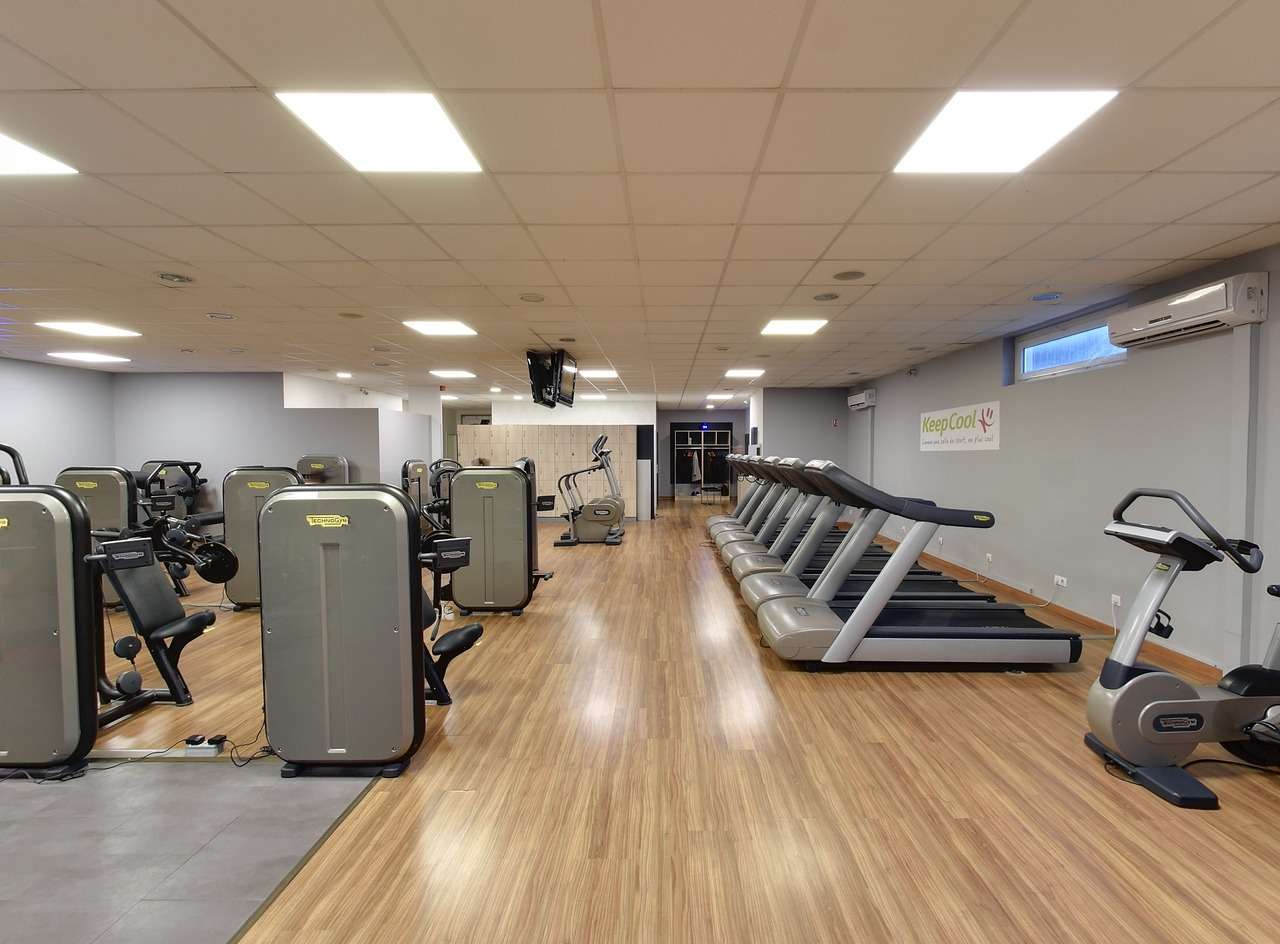
Finance Assets arranges asset finance for leisure centres and gyms, helping UK fitness and leisure businesses fund gym equipment, pool plant, studio kit, access systems and energy upgrades.
Asset finance for leisure centres and gyms spreads the cost of that equipment over 2 to 5 years, so membership income pays for the kit as it earns. It suits gyms refreshing a gym floor, operators opening a new site, and leisure centres cutting the energy bills that come with heating a pool.
Written by Marcus Wright, founder of Bolton Business Finance Ltd, in financial services since 2008 and a commercial finance broker since 2019. Last reviewed October 2026.
On this page
The short version
- Asset finance lets gyms and leisure centres spread the cost of equipment over 2 to 5 years.
- Gym equipment is often leased so it can be refreshed every few years. Pool plant and energy equipment is usually bought on hire purchase.
- Cardio, strength, studio and access equipment from different suppliers can go on one agreement.
- Lenders look at membership numbers, how many members leave each month, and how long you hold the premises or management contract.
- Finance Assets arranges asset finance for gyms and leisure centres trading as limited companies and LLPs, and for sole traders and partnerships on agreements over £25,000.
| Item | Detail |
|---|---|
| Equipment covered | Cardio and strength equipment, studio and spin bikes, pool plant, saunas and steam rooms, access control, sound systems, energy plant and catering |
| Terms | Usually 2 to 5 years, matched to how long the equipment stays in use |
| Paid upfront | Hire purchase: often a 10% deposit plus VAT. Leases: usually 1 to 3 rentals in advance |
| New or used | Both, including refurbished commercial gym equipment from established dealers |
| Extras | Delivery, installation and some flooring and fit-out can often be included alongside the equipment |
| Who we help | Limited companies and LLPs, plus sole traders and partnerships on business agreements over £25,000 |
Equipment we finance for leisure centres and gyms
Lenders will fund most of the equipment a gym or leisure centre relies on, from the gym floor to the plant room. Each group links to our detailed guide where we have one.
| Equipment group | Examples |
|---|---|
| Cardio equipment | Treadmills, cross trainers, exercise bikes, rowers, stair climbers and ski ergs |
| Strength equipment | Selectorised machines, cable stations, racks and rigs, plate-loaded machines, benches and free weights |
| Studio and classes | Spin bikes, functional training rigs, reformer Pilates beds, studio sound and lighting. See audio-visual finance |
| Pool plant | Filtration, UV and chemical dosing, pool covers, pool hoists and air handling |
| Wellness | Saunas, steam rooms, hot tubs, ice baths and treatment beds |
| Access and technology | Turnstiles, access control, smart lockers, membership software and Wi-Fi. See IT equipment finance |
| Energy and plant | Boilers, heat pumps, combined heat and power, solar PV and building management systems |
| Café and vending | Café equipment, coffee machines and vending. See catering and vending machine finance |
| Laundry | Washers and dryers for towels and kit. See laundry equipment finance |
How gyms and leisure centres use asset finance
Gyms and leisure centres usually turn to asset finance when equipment needs replacing or when a new site or service will bring in new members.
- Refreshing the gym floor. Replacing tired cardio and strength equipment every few years to keep members from leaving for newer gyms.
- Opening a new site. Equipping a gym before the first members join, with payments starting as membership builds.
- Adding a studio. Funding spin bikes, reformers or a functional training area that can be sold as extra classes.
- Cutting energy bills. Heat pumps, pool covers and solar PV can reduce running costs, often by a similar amount to the finance payment.
- Releasing cash. Refinancing equipment the business owns outright.

Finance for independent gyms and boutique studios
Independent gyms, strength and conditioning gyms, and boutique studios make up much of the fitness market.
- Membership income. Monthly direct debits give lenders a clear picture of income. Membership numbers and how many leave each month both matter.
- Supplier finance. Equipment makers often offer finance through their own partners. It is worth comparing with independent quotes, especially if you are buying from more than one supplier.
- Refurbished equipment. Reconditioned commercial machines from established dealers can be funded and cost much less than new.
- New gyms. A new gym without trading history may need a larger deposit or a director’s guarantee. Owners with a track record in the industry and pre-sale membership numbers help.
We regularly see equipment from Technogym, Life Fitness, Matrix, Precor, Concept2 and Hammer Strength.
Finance for leisure centres and pools
Leisure centres run gyms, pools, sports halls and cafés under one roof, and the plant room can cost as much as the gym floor.
- Pool plant. Filtration, dosing and air handling can be replaced as one project, including installation.
- Energy. Pools are expensive to heat, so heat pumps, pool covers and combined heat and power often pay back well. Compare the payment with the energy saving.
- Management contracts. Operators running council-owned centres under a management contract need the finance to fit within the contract term. Lenders also check who owns the equipment when the contract ends.
- Trusts and charities. Leisure trusts can use asset finance too. VAT recovery can differ, so leasing may suit better.
Finance options for leisure centres and gyms
Gyms often lease equipment they will replace and buy long-life plant on hire purchase. Our types of asset finance guide covers each option in more depth.
| Type | How it works | Suits |
|---|---|---|
| Hire purchase | A deposit, then fixed monthly payments. You own the equipment after the last one | Strength equipment, pool plant and energy equipment you will keep for years |
| Finance lease | Rentals with VAT added to each one. The lender owns the equipment | Spreading the VAT on a full gym fit-out |
| Operating lease | Lower rentals priced around the expected resale value. You hand it back at the end | Cardio equipment refreshed every 3 to 5 years |
| Contract hire | A fixed rental for an agreed term and mileage, often with maintenance included | Minibuses and service vehicles |
Hire purchase for gyms and leisure centres
Hire purchase for gyms and leisure centres is the usual way to buy strength equipment, pool plant and energy equipment. You pay a deposit, often around 10% plus the VAT, then fixed monthly payments, and the equipment is yours after the last one. You are treated as the owner for tax from the start, so you may be able to claim capital allowances.
Finance lease for gyms and leisure centres
A finance lease for gyms and leisure centres suits a full fit-out, because VAT is added to each rental instead of being paid upfront. The lender keeps ownership. At the end you can usually keep using the equipment for a small secondary rental, or sell it and receive most of the proceeds.
Operating lease for gyms and leisure centres
An operating lease for gyms and leisure centres works well for cardio equipment, which members expect to be current. Rentals are set around what the equipment should be worth at the end, and you hand it back or upgrade when the term finishes.
Contract hire for gyms and leisure centres
Contract hire for gyms and leisure centres is used mainly for minibuses and service vehicles. You pay a fixed monthly rental for an agreed term and mileage, with servicing often included, and the vehicle goes back at the end.
VAT and tax for leisure centres and gyms
Most commercial gyms are VAT registered and can reclaim VAT on equipment. On hire purchase, VAT on the full price is usually paid at the start and reclaimed on the next return. On a lease, VAT is added to each rental. Leisure trusts and charities may not reclaim all their VAT, so leasing can suit them better. With hire purchase you may be able to claim capital allowances, and lease rentals are usually an allowable business expense. Check the tax treatment with your accountant.
Gym equipment finance costs: a worked example
An £85,000 gym floor refresh, with new cardio, strength machines and a functional training rig, costs about £2,433 a month on a 3-year hire purchase, or about £1,904 a month over 4 years.
| Item | 3 years | 4 years |
|---|---|---|
| Equipment price (excl. VAT) | £85,000 | £85,000 |
| Deposit (10%) | £8,500 | £8,500 |
| VAT paid upfront | £17,000 | £17,000 |
| Monthly payment | £2,432.68 | £1,903.71 |
| Total interest | £11,076 | £14,878 |
The longer term lowers the monthly payment by about £529 but adds around £3,801 of interest. At a £35 monthly membership, the 4-year payment is covered by around 55 members.
Illustration calculated in October 2026, assuming an interest rate of 9% a year. It is not a quote. Your rate depends on your trading history, credit profile and the equipment.
What lenders look for in leisure centres and gyms
Lenders look at the usual financial documents, plus the things that show how steady membership income is.
- Your last 2 years of filed accounts, or management accounts and a forecast for newer businesses
- Your last 3 to 6 months of business bank statements
- Membership numbers, average monthly fee and how many members leave each month
- Your premises lease, or for operators the management contract and how long it has left
- Supplier quotes, plus photo ID and address history for each director, member or partner
Related guides
- Asset finance for hotels and resorts, including hotel spas and gyms
- Asset finance for sports and event venues, for clubs, stadiums and outdoor sport
- Audio-visual equipment finance, for studio sound and screens
- Laundry equipment finance
- Vending machine finance
- All sectors we finance
- Types of asset finance
Who we can help
We arrange asset finance for leisure centres and gyms that trade as UK limited companies and LLPs, and for sole traders and partnerships on agreements over £25,000 that are for business purposes. We are not authorised by the FCA, so we cannot arrange agreements of £25,000 or less for sole traders or partnerships of two or three partners, or finance for personal use.
Asset finance for leisure centres and gyms FAQs
Can a new gym get equipment finance?
Yes, although lenders look more closely at businesses without trading history. Owners with experience in the fitness industry, a clear business plan and pre-sale membership numbers all help. A larger deposit or a director’s guarantee may be needed.
Should a gym lease or buy its equipment?
Many gyms do both. Cardio equipment is often leased so it can be refreshed every 3 to 5 years. Strength equipment and rigs last much longer, so they are usually bought on hire purchase.
Can refurbished gym equipment be financed?
Yes. Reconditioned commercial equipment from established dealers is widely funded, usually on slightly shorter terms than new.
How much does gym equipment finance cost?
It depends on the equipment, the term and your business. As an illustration, an £85,000 gym floor refresh costs about £2,433 a month over 3 years on hire purchase at 9%, after a 10% deposit and the VAT paid upfront, or about £1,904 a month over 4 years.
Can a leisure centre finance pool plant?
Yes. Filtration, dosing, pool covers and air handling can be funded with installation. Building work to the pool hall itself is usually funded with a commercial mortgage or development finance.
Can an operator running a council leisure centre get finance?
Yes. Lenders will want to see the management contract, how long it has left and who owns the equipment when it ends. The finance term is usually set to end within the contract.
Get an asset finance quote for your gym or leisure centre
Tell us what you want to finance
Send us the equipment, the prices and a few details about your gym or leisure centre. We will come back with the options that are realistic and what they are likely to cost.
About the author
Marcus Wright is the owner and founder of Bolton Business Finance Ltd, which trades as Finance Assets. He has worked in financial services since 2008, beginning his career at Santander, and has been a commercial finance broker since March 2019.
He founded Bolton Business Finance in 2020 to give businesses access to the whole lending market rather than one bank’s own product range. The firm is a member of the National Association of Commercial Finance Brokers and works with a panel of 135+ lenders. Call 0161 546 9128.
Finance Assets is a trading name of Bolton Business Finance Ltd, an independent commercial finance brokerage, not a lender. We are not authorised by the Financial Conduct Authority and can only complete non-regulated introductions. All lending is for business purposes only. Registered address: Westgate House, 1 Westgate Avenue, Bolton, Greater Manchester, BL1 4RF. Company number 12495909.