
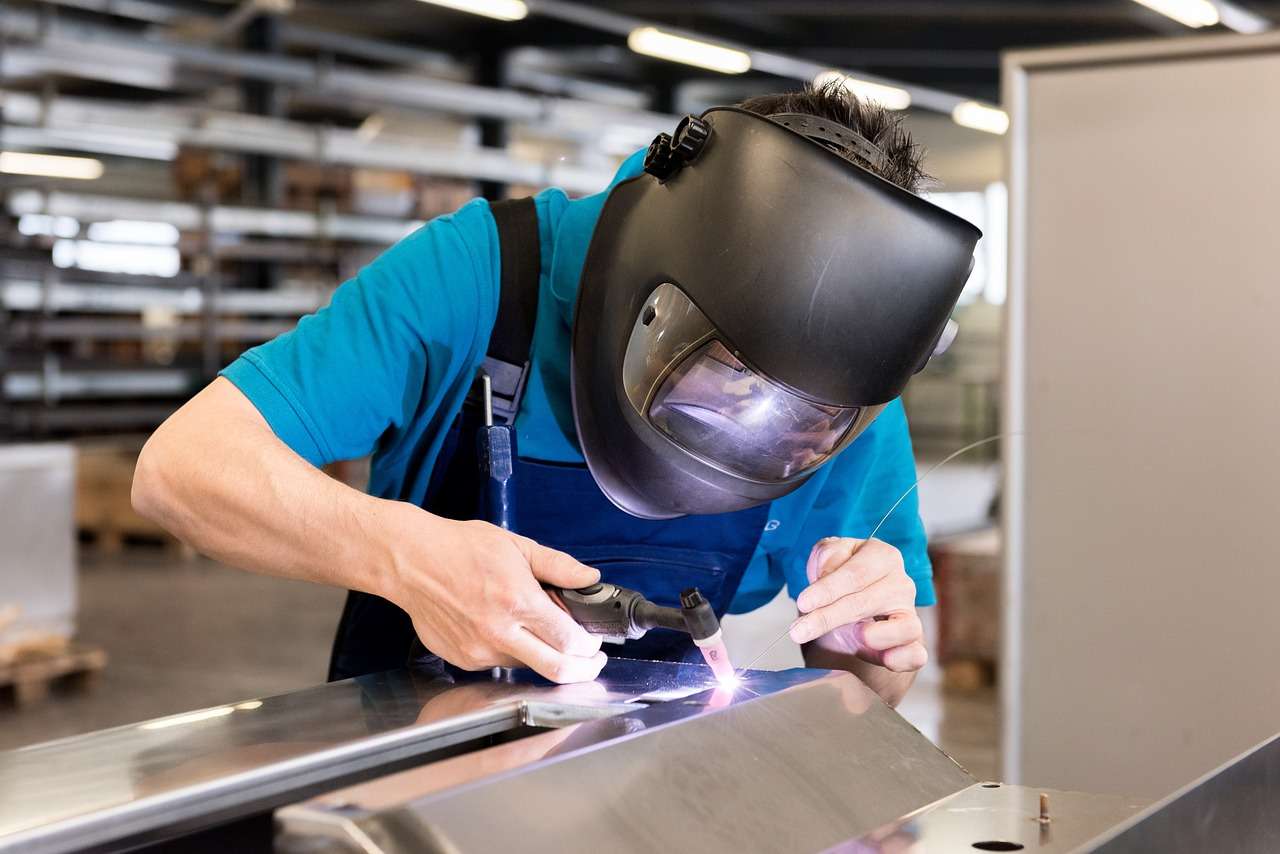
Finance Assets arranges hire purchase and leasing for UK fabricators and metalworking businesses buying press brakes, punching machines, guillotines, plate processing, coil lines, cold forming and finishing equipment.
Metal fabrication equipment finance spreads the cost of new or used machinery over 2 to 7 years, so a sheet metal shop, structural steel fabricator or component maker can add capacity without a large cash outlay. We are a broker, not a lender, so we compare quotes from our lender panel rather than offering one bank’s product.
Written by Marcus Wright, founder of Bolton Business Finance Ltd, in financial services since 2008 and a commercial finance broker since 2019. Last reviewed October 2026.
On this page
The short version
- Metal fabrication equipment finance spreads the cost over 2 to 7 years.
- With hire purchase, the business owns the machines after the final payment.
- Finance and operating leases keep upfront costs lower, but the machines stay with the lender.
- Press brakes and punching machines from major makers hold their value, so used machines are widely funded.
- Finance Assets arranges this finance for limited companies and LLPs, and for sole traders and partnerships on agreements over £25,000.
| Item | Detail |
|---|---|
| Equipment covered | Press brakes, punching machines, guillotines, profiling and bevelling machines, drill lines, coil processing, cold forming, tapping and finishing equipment |
| Terms | Usually 2 to 5 years, and up to 7 years for new high-value machines |
| Paid upfront | Hire purchase: often a 10% deposit plus VAT. Leases: usually 1 to 3 rentals in advance |
| New or used | Both. Used machines from established makers and dealers are widely funded |
| Extra costs | Tooling, guarding, software, delivery and installation can often be included |
| Who we help | Limited companies and LLPs, plus sole traders and partnerships on business agreements over £25,000 |
Metal fabrication equipment we finance
Lenders will fund most metalworking machinery used in a business, as long as it comes from an identifiable supplier on a clear quote.
| Equipment type | Examples |
|---|---|
| Bending and forming | CNC press brakes, panel benders, folding machines, plate rolls and section benders |
| Punching and shearing | CNC turret punch presses, punch-laser combination machines, guillotines, ironworkers and notchers |
| Plate processing | Plasma and oxy-fuel profiling tables, plate bevelling machines and edge preparation equipment |
| Structural steel | Beam drill lines, saw and drill lines, radial and magnetic drills, and coping machines |
| Coil processing | Decoilers, slitting lines, cut-to-length lines, recoilers and coiling machines |
| Cold forming and fasteners | Roll forming lines, cold heading machines, thread rolling and nut tapping machines |
| Finishing | Deburring and edge rounding machines, shot blasting, and powder coating and metal coating lines |
| Scrap and recycling | Metal shears, alligator shears, balers and scrap processing equipment |
We regularly see machines from makers such as Amada, Trumpf, Bystronic, LVD, Salvagnini, Ficep, Voortman, Kingsland and Edwards Pearson. For cutting equipment, see laser cutting machine finance, and for welding sets and robotic welding, see welding machine finance.
Press brakes, punching and sheet metal
Sheet metal shops are usually built around a press brake, a punching or laser machine and a guillotine. These machines have an active used market, which gives lenders confidence.
- Tooling. A new press brake or punch press usually needs a tooling set, which can be a large extra cost. It can normally be funded alongside the machine.
- Guarding and safety. Press brakes need suitable guarding, such as laser guards, and regular inspection. Guarding upgrades on a used machine can usually be included.
- Software and automation. Offline programming software, sheet loaders and storage towers can go on the same agreement.
- Used machines. Press brakes and turret punches from major makers keep their value for many years, so lenders will fund older machines than they would for some other equipment.
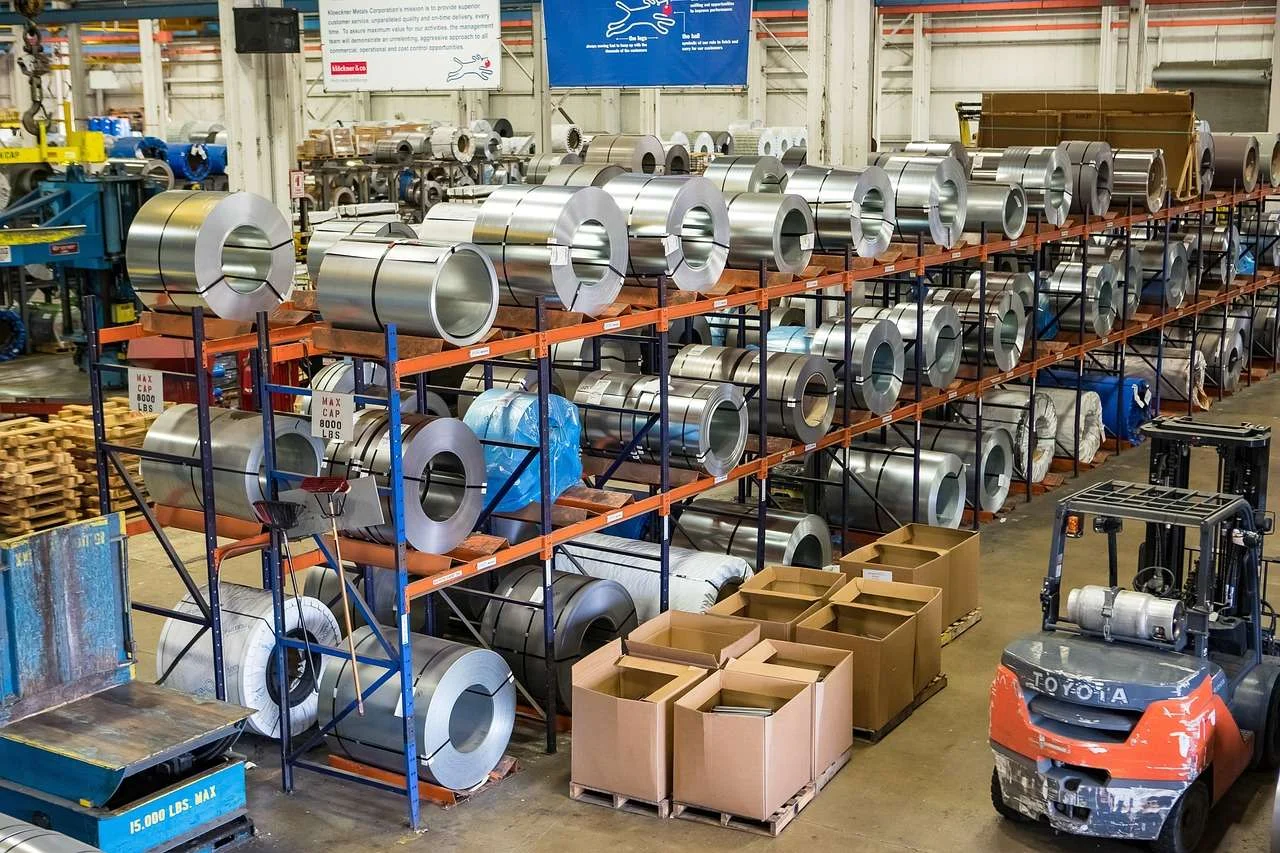
Plate, structural steel and coil processing
Heavier equipment for plate, beams and coil is bigger and often installed on prepared foundations, which changes how lenders view it.
- Profiling and bevelling. Plasma and oxy-fuel profiling tables, often with bevel heads, are well understood by lenders and widely funded new and used.
- Beam lines. Drill and saw lines for structural steelwork are high-value machines. Lenders look at the fabricator’s order book and the construction projects behind it.
- Coil lines. Slitting and cut-to-length lines are often built to a specification, so installation and foundations can be a large part of the cost. Lenders will usually fund installation by the supplier, up to a set share of the total.
- Cold forming. Roll forming and cold heading machines are often tied to particular products. Lenders look at your customer contracts as well as the machine.
What lenders look at on metal fabrication finance
- Maker and model. Machines from established makers have the widest resale market and support longer terms.
- Age and condition. On used machines, lenders look at the year built and service history. They cap the machine’s age at the end of the agreement, so an older machine may get a shorter term.
- Your sectors. Fabricators serving construction can be affected by project delays and late payment, so lenders look at your debtor book and customer spread.
- Deal size. A single small machine, such as a magnetic drill or a manual folder, can fall below a lender’s minimum. Grouping equipment together usually gives better terms.
Hire purchase, finance lease and operating lease compared
Hire purchase suits machines you will keep for most of their working life. A lease suits you better if you want to spread the VAT or plan to upgrade. Our types of asset finance guide covers each option in more depth.
| Option | How it works | Best for |
|---|---|---|
| Hire purchase | You pay a deposit and fixed monthly payments, and own the machine after the final payment and any option fee | Press brakes, guillotines and heavy plant you will keep for years |
| Finance lease | You rent the machine for most of its working life. At the end you extend at a low rent, or sell it for the lender and keep most of the proceeds | High-value lines where spreading the VAT helps cash flow |
| Operating lease | You rent the machine for part of its life, then hand it back or upgrade. Mostly available on new machines from major makers | Punching and automated equipment you expect to replace |
Hire purchase for metal fabrication equipment
Hire purchase is the usual choice. You pay a deposit, usually 10% plus the VAT, then fixed monthly payments, and ownership passes to you after the final payment and a small option-to-purchase fee. As the owner for tax purposes, the business may be able to claim capital allowances on the machine.
Finance lease for metal fabrication equipment
A finance lease keeps the upfront cost to a few rentals, and VAT is spread across the rentals rather than paid at the start. The lender owns the machine throughout. At the end of the main term you can keep using it for a low secondary rent, or sell it on the lender’s behalf and receive most of the sale proceeds.
Operating lease for metal fabrication equipment
An operating lease sets the rentals against what the machine is expected to be worth at the end of the term, so the lender carries the resale risk. It is most often available on new press brakes, punching machines and automated equipment from major makers. Bespoke coil and roll forming lines rarely qualify. At the end you hand the machine back, extend the lease or upgrade.
Metal fabrication finance costs: a worked example
A £150,000 new CNC press brake, with a tooling set and laser guarding, costs about £3,359 a month on a 4-year hire purchase, or about £2,802 a month over 5 years.
| Item | 4 years | 5 years |
|---|---|---|
| Price (excl. VAT) | £150,000 | £150,000 |
| Deposit (10%) | £15,000 | £15,000 |
| VAT paid upfront | £30,000 | £30,000 |
| Monthly payment | £3,359.48 | £2,802.38 |
| Total interest | £26,255 | £33,143 |
The longer term lowers the monthly payment by about £557 but adds around £6,888 of interest. Many lenders will also defer the VAT for a few months.
Illustration calculated in October 2026, assuming an interest rate of 9% a year. It is not a quote. Your rate depends on your trading history, credit profile and the equipment.
VAT and tax on metal fabrication finance
| Option | VAT | Usual tax treatment |
|---|---|---|
| Hire purchase | Paid on the full price at the start, reclaimable if you are VAT registered | You may be able to claim capital allowances, such as the Annual Investment Allowance, and the interest is deductible |
| Finance lease | Added to each rental | Rentals are usually deductible |
| Operating lease | Added to each rental | Rentals are usually deductible |
Tax depends on your circumstances, so check the treatment with your accountant.

What lenders ask for
Most metal fabrication finance applications need the following.
- Your last 2 years of filed accounts, or management accounts and a forecast if you are newer
- Your last 3 to 6 months of business bank statements
- A quote from the supplier, showing the machine, its serial number and year if used, and any tooling, guarding and installation separately
- Photo ID and address history for each director
- Details of any existing finance agreements
Related guides
Who we can help
We arrange metal fabrication equipment finance for UK limited companies and LLPs, and for sole traders and partnerships on agreements over £25,000 that are for business purposes. We are not authorised by the FCA, so we cannot arrange agreements of £25,000 or less for sole traders or partnerships of two or three partners, or finance for personal use.
Metal fabrication finance FAQs
Can I finance a used press brake?
Yes. Used press brakes from established makers are widely funded, especially through dealers who inspect and warranty them. Lenders cap the machine’s age at the end of the agreement, so an older machine may get a shorter term. We can help limited companies and LLPs at most sizes, and sole traders and partnerships on agreements over £25,000.
How much does it cost to finance a press brake?
It depends on the machine, the term and your business. As an illustration, a £150,000 CNC press brake with tooling and guarding costs about £3,359 a month over 4 years on hire purchase at 9%, after a 10% deposit and the VAT paid upfront, or about £2,802 a month over 5 years.
Can tooling be included in the finance?
Usually, yes. Press brake and punch tooling, guarding, programming software, delivery and installation can normally be funded alongside the machine, usually up to a set share of the total.
Can I finance a whole workshop fit-out?
Often, yes. A press brake, guillotine, punching machine and finishing equipment from different suppliers can usually go on one agreement, with each item listed on the schedule. This can give better terms than funding small items separately.
Is it better to lease or buy fabrication machinery?
Hire purchase usually works out better for machines you will keep for many years, because you own them at the end and may be able to claim capital allowances. An operating lease can suit automated punching or bending equipment you expect to upgrade. Finance Assets compares both for each deal.
Can a fabricator working in construction get finance?
Yes. Lenders fund many structural and architectural fabricators. They will look at your order book, debtor days and how dependent you are on a few main contractors, so it helps to show a spread of customers and a record of being paid on time.
Get a metal fabrication finance quote
Tell us what you want to finance
Send us the machine, the price and a few details about your business. We will come back with the options that are realistic and what they are likely to cost.
About the author
Marcus Wright is the owner and founder of Bolton Business Finance Ltd, which trades as Finance Assets. He has worked in financial services since 2008, beginning his career at Santander, and has been a commercial finance broker since March 2019.
He founded Bolton Business Finance in 2020 to give businesses access to the whole lending market rather than one bank’s own product range. The firm is a member of the National Association of Commercial Finance Brokers and works with a panel of 135+ lenders. Call 0161 546 9128.
Finance Assets is a trading name of Bolton Business Finance Ltd, an independent commercial finance brokerage, not a lender. We are not authorised by the Financial Conduct Authority and can only complete non-regulated introductions. All lending is for business purposes only. Registered address: Westgate House, 1 Westgate Avenue, Bolton, Greater Manchester, BL1 4RF. Company number 12495909.