
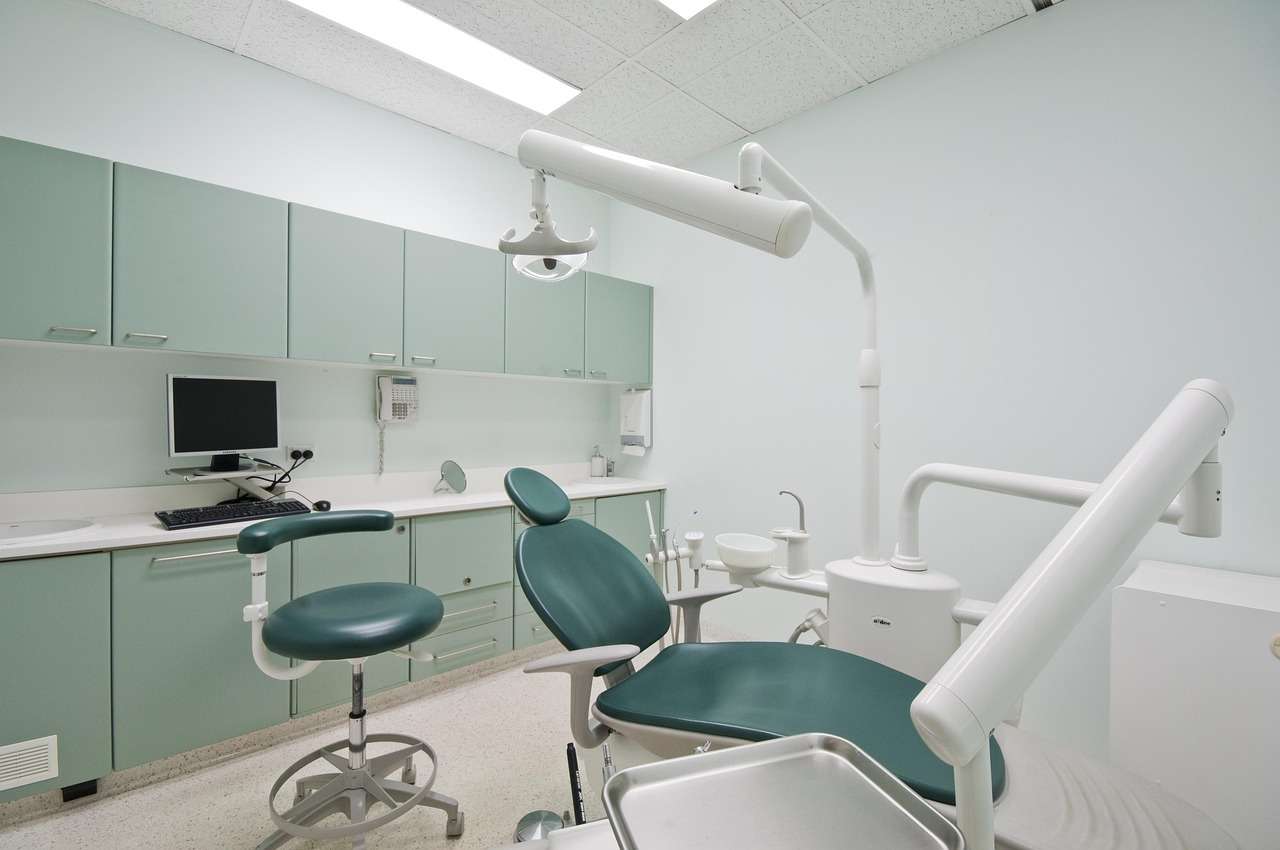
Finance Assets arranges asset finance for dental practices, helping UK general, private and specialist practices and dental laboratories fund dental chairs, CBCT and OPG imaging, intraoral scanners, CAD/CAM milling, decontamination rooms and complete surgery fit-outs.
Asset finance for dental practices spreads the cost of that equipment over 3 to 7 years, so treatment income pays for the kit as it is used. It suits practices going digital, adding a surgery, upgrading a decontamination room, or replacing chairs, compressors and suction that are near the end of their life.
Written by Marcus Wright, founder of Bolton Business Finance Ltd, in financial services since 2008 and a commercial finance broker since 2019. Last reviewed October 2026.
On this page
The short version
- Asset finance lets dental practices spread the cost of equipment over 3 to 7 years.
- Chairs, imaging, scanners, milling units, decontamination equipment and installation from different suppliers can go on one agreement.
- Lenders like dentistry, but look at your NHS contract, private and plan income, and how long the practice has traded.
- Most dental treatment is exempt from VAT, so many practices cannot reclaim VAT on equipment. A lease that spreads it can suit.
- Finance Assets arranges asset finance for practices trading as limited companies and LLPs, and for sole traders and partnerships on agreements over £25,000.
| Item | Detail |
|---|---|
| Equipment covered | Dental chairs, CBCT and OPG imaging, intraoral scanners, CAD/CAM milling, 3D printers, decontamination equipment, compressors and suction, lasers, microscopes and surgery fit-outs |
| Terms | Usually 3 to 7 years. Chairs and fit-outs suit longer terms than scanners and IT |
| Paid upfront | Hire purchase: often a 10% deposit plus VAT. Leases: usually 1 to 3 rentals in advance |
| New or used | Mostly new, though refurbished chairs and imaging units can often be funded |
| Extras | Installation, plumbing to the chair, training and software licences can often be included |
| Who we help | Limited companies and LLPs, plus sole traders and partnerships on business agreements over £25,000 |
Equipment we finance for dental practices
Lenders will fund almost everything in a modern dental surgery and the rooms that support it. Each group links to our detailed guide where we have one.
| Equipment group | Examples |
|---|---|
| Surgery equipment | Dental chairs, delivery units, operating lights, stools and cabinetry |
| Imaging | CBCT scanners, OPG and cephalometric units, intraoral x-ray and digital sensors |
| Digital dentistry | Intraoral scanners, chairside CAD/CAM milling units, sintering furnaces and 3D printers |
| Decontamination | Autoclaves, washer disinfectors, ultrasonic cleaners and complete decontamination room fit-outs |
| Plant | Dental compressors, suction pumps, amalgam separators and water treatment |
| Specialist treatment | Dental lasers, surgical microscopes, implant motors and endodontic systems |
| Practice IT | Servers, workstations, reception and patient check-in systems. See IT equipment finance |
| Dental laboratory | Lab scanners, milling machines, furnaces, 3D printers and casting equipment |
| Energy and building services | Air conditioning, ventilation, heat pumps and solar PV |
For other clinical and diagnostic equipment, see medical equipment finance on our healthcare finance site, Medical Business Finance.
How dental practices use asset finance
Dental practices usually turn to asset finance to add treatments, increase capacity and keep up with compliance, without taking a large sum out of practice cash.
- Going digital. An intraoral scanner, CBCT and chairside milling can bring implant planning, aligners and same-day restorations in-house, and cut laboratory bills.
- Adding a surgery. Chair, delivery unit, cabinetry, imaging and installation funded together, so a new associate or hygienist can start earning straight away.
- Decontamination rooms. Upgrading to a dedicated room with washer disinfectors and autoclaves to meet HTM 01-05 best practice in England, or the equivalent guidance elsewhere in the UK.
- Replacing plant. Compressors and suction rarely fail at a convenient time. Finance spreads the cost of an urgent replacement.
- Releasing cash from owned equipment. Chairs and imaging you already own can be refinanced to raise money for a fit-out or a deposit on another practice.
A CBCT unit often needs room shielding, electrical work and a radiation protection review before it can be used. The scanner and its installation can usually be financed. Structural building work generally cannot, so budget for that separately.
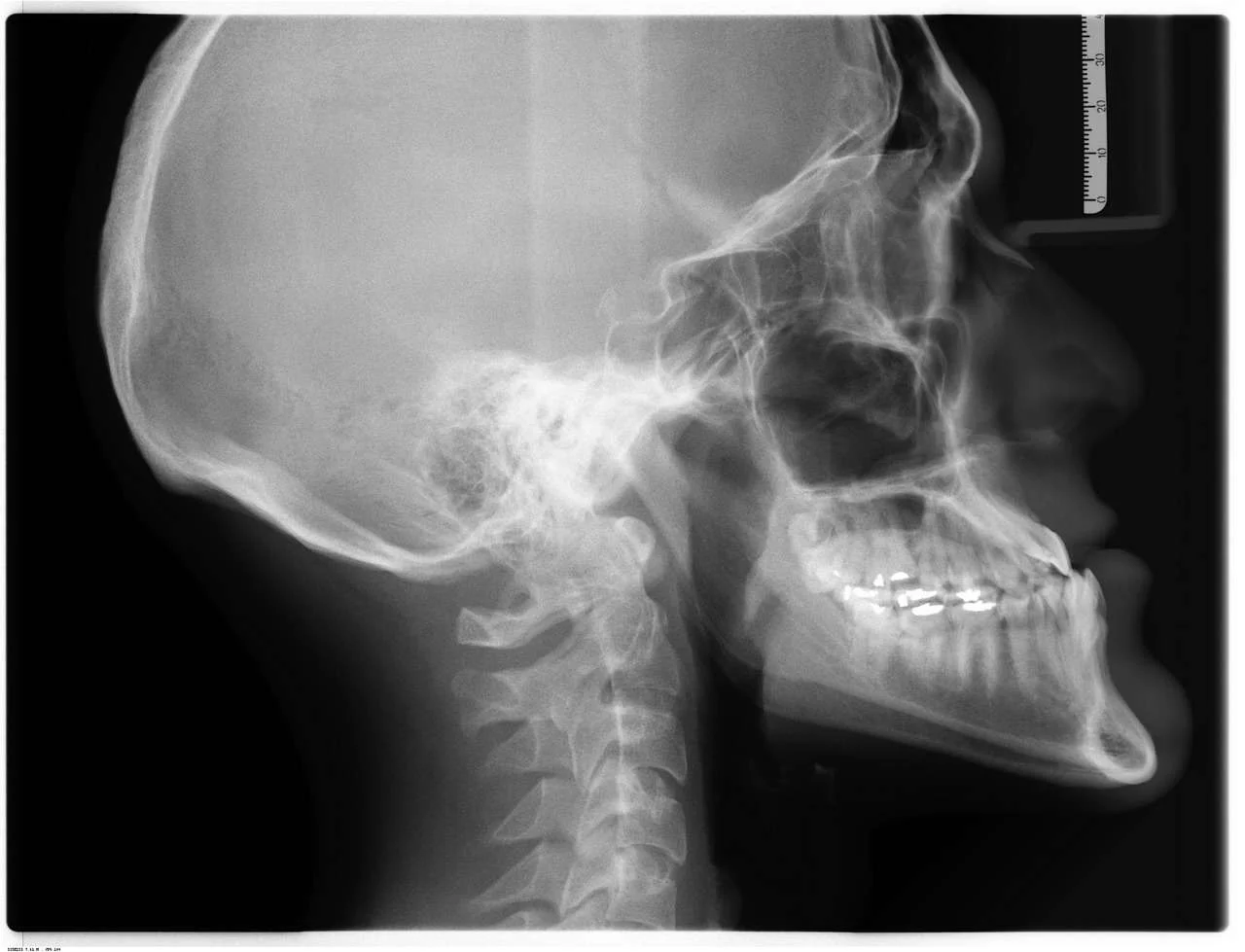
General, private, specialist practices and dental labs
Each type of dental business has different equipment and a different income pattern, and lenders look at them a little differently.
- NHS and mixed practices. An NHS contract gives steady income that lenders value. They will ask about the contract value, how much of it you deliver each year, and how much private work sits alongside it.
- Private and plan practices. Monthly plan income from capitation schemes is regular and easy to evidence. Practices adding implants, aligners or cosmetic work often fund the equipment on the back of it.
- Specialist and referral practices. Oral surgery, orthodontics and endodontics need more specialist kit, such as microscopes, CBCT and implant systems. Lenders look at referral volumes and where they come from.
- Dental laboratories. Labs fund scanners, milling machines, furnaces and 3D printers. Lenders look at how many practices you supply and how dependent you are on the largest.
- Associates. Self-employed associates usually trade as sole traders. Agreements of £25,000 or less for a sole trader are regulated, so we cannot arrange those. Larger agreements, or equipment bought by the practice itself, are fine.
Buying, starting or expanding a dental practice
Asset finance covers equipment, not goodwill or the building. For buying a practice, opening a new one or funding the property, our healthcare finance site, Medical Business Finance, covers each option in detail:
- Dental practice finance, an overview of funding for dentists
- Dental practice purchase finance and goodwill finance, for buying a practice
- Squat practice finance, for opening a new practice from scratch
- Dental commercial mortgages, for buying or refinancing the premises
- Expansion finance and refinancing, for growing or restructuring existing borrowing
A practice purchase or squat often needs both: a loan for the goodwill or property, and asset finance for the chairs and imaging. Planning the two together avoids one squeezing the other. There is more on equipment for dentists on dental equipment finance on Medical Business Finance.
Finance options for dental practices
Dental practices often lease equipment to spread the VAT, and buy long-life equipment such as chairs on hire purchase. Our types of asset finance guide covers each option in more depth.
| Type | How it works | Suits |
|---|---|---|
| Hire purchase | A deposit, then fixed monthly payments. You own the equipment after the last one | Chairs, cabinetry, compressors and decontamination equipment you will keep |
| Finance lease | Rentals with VAT added to each one. The lender owns the equipment | Practices that cannot reclaim VAT |
| Operating lease | Lower rentals priced around the expected resale value. You hand it back at the end | Scanners and digital equipment that will be upgraded |
| Refinance | Raising money against equipment you already own | Releasing cash for a fit-out, deposit or working capital |
Hire purchase for dental practices
Hire purchase for dental practices is the usual way to buy chairs, cabinetry, compressors and decontamination equipment that will be in use for many years. You pay a deposit, often around 10% plus the VAT, then fixed monthly payments, and the equipment is yours after the last one. You are treated as the owner for tax from the start, so you may be able to claim capital allowances.
Finance lease for dental practices
A finance lease for dental practices suits practices that cannot reclaim VAT, because VAT is added to each rental instead of being paid upfront. The lender keeps ownership. At the end you can usually keep using the equipment for a small secondary rental, or sell it and receive most of the proceeds.
Operating lease for dental practices
An operating lease for dental practices works for intraoral scanners and other digital equipment that improves quickly. Rentals are set around what the equipment should be worth at the end, and you hand it back or upgrade when the term finishes. Not every item has a strong enough resale market for this, so it is used more selectively than hire purchase.
Refinancing dental equipment
If the practice owns its chairs and imaging outright, a lender can buy them and lease them back, or lend against them. It is a quick way to raise money without putting the premises up as security, and it works on equipment that is still under finance too.
VAT and tax for dental practices
Dental treatment by a registered dentist is usually exempt from VAT, so many practices are not VAT registered, or can only reclaim part of their VAT. Purely cosmetic treatments can be treated differently. On hire purchase, VAT on the full price is paid at the start, which is a real cost if you cannot reclaim it. On a lease, VAT is added to each rental, spreading the cost. With hire purchase you may be able to claim capital allowances, and lease rentals are usually an allowable business expense. Check the VAT and tax treatment with your accountant.
Dental equipment finance costs: a worked example
A £120,000 digital upgrade, with a CBCT scanner, an intraoral scanner, a chairside milling unit, installation and training, costs about £2,688 a month on a 4-year hire purchase, or about £2,242 a month over 5 years.
| Item | 4 years | 5 years |
|---|---|---|
| Equipment price (excl. VAT) | £120,000 | £120,000 |
| Deposit (10%) | £12,000 | £12,000 |
| VAT paid upfront | £24,000 | £24,000 |
| Monthly payment | £2,687.58 | £2,241.90 |
| Total interest | £21,004 | £26,514 |
The longer term lowers the monthly payment by about £446 but adds around £5,510 of interest. If the practice cannot reclaim VAT, the £24,000 paid upfront on hire purchase is a real cost, which is why many practices choose a lease instead.
Illustration calculated in October 2026, assuming an interest rate of 9% a year. It is not a quote. Your rate depends on your trading history, credit profile and the equipment.
What lenders look for in dental practices
Lenders look at the usual financial documents, plus the income and registrations that are specific to dentistry.
- Your last 2 years of filed accounts, or management accounts and a forecast for newer practices
- Your last 3 to 6 months of business bank statements
- Details of any NHS contract, and the split between NHS, private and plan income
- GDC registration for the dentists involved, and your CQC registration or the equivalent elsewhere in the UK
- Supplier quotes, plus photo ID and address history for each director, member or partner
For larger imaging equipment, many lenders like to see around three years of trading. Newer practices can still get finance, often with a larger deposit or on the strength of the principal’s experience.
Related guides
- Dental equipment finance on Medical Business Finance
- Dental practice finance on Medical Business Finance
- Medical equipment finance on Medical Business Finance
- IT equipment finance
- Asset finance for care homes
- All sectors we finance
- Types of asset finance
Who we can help
We arrange asset finance for dental practices and laboratories that trade as UK limited companies and LLPs, and for sole traders and partnerships on agreements over £25,000 that are for business purposes. We are not authorised by the FCA, so we cannot arrange agreements of £25,000 or less for sole traders or partnerships of two or three partners, or finance for personal use.
Asset finance for dental practices FAQs
Can a CBCT scanner be financed?
Yes. The scanner, software and installation can usually be funded together. Any building work for shielding is normally paid for separately. Many lenders prefer around three years of trading for larger imaging equipment.
Should a dental practice lease or buy its equipment?
It often depends on VAT. Most dental treatment is VAT exempt, so if you cannot reclaim VAT, a lease spreads it across the rentals instead of paying it all upfront. For long-life equipment such as chairs, hire purchase is common.
Can I finance refurbished dental chairs?
Often yes, from an established supplier with an invoice and warranty. The age of the equipment affects the term a lender will offer.
How much does dental equipment finance cost?
It depends on the equipment, the term and your practice. As an illustration, a £120,000 digital upgrade costs about £2,688 a month over 4 years on hire purchase at 9%, after a 10% deposit and the VAT paid upfront, or about £2,242 a month over 5 years.
Can an associate dentist get equipment finance?
Associates usually trade as sole traders, so agreements of £25,000 or less are regulated and we cannot arrange them. Agreements over £25,000 for business use are fine, as is equipment bought by the practice.
Can you fund buying a dental practice?
Asset finance covers equipment only. For buying a practice, see dental practice purchase finance on our healthcare finance site, Medical Business Finance.
Get an asset finance quote for your dental practice
Tell us what you want to finance
Send us the equipment, the supplier quotes and a few details about your practice. We will come back with the options that are realistic and what they are likely to cost, and tell you honestly if the supplier’s own finance is the better deal.
About the author
Marcus Wright is the owner and founder of Bolton Business Finance Ltd, which trades as Finance Assets. He has worked in financial services since 2008, beginning his career at Santander, and has been a commercial finance broker since March 2019.
He founded Bolton Business Finance in 2020 to give businesses access to the whole lending market rather than one bank’s own product range. The firm is a member of the National Association of Commercial Finance Brokers and works with a panel of 135+ lenders. Call 0161 546 9128.
Finance Assets is a trading name of Bolton Business Finance Ltd, an independent commercial finance brokerage, not a lender. We are not authorised by the Financial Conduct Authority and can only complete non-regulated introductions. All lending is for business purposes only. Registered address: Westgate House, 1 Westgate Avenue, Bolton, Greater Manchester, BL1 4RF. Company number 12495909.