
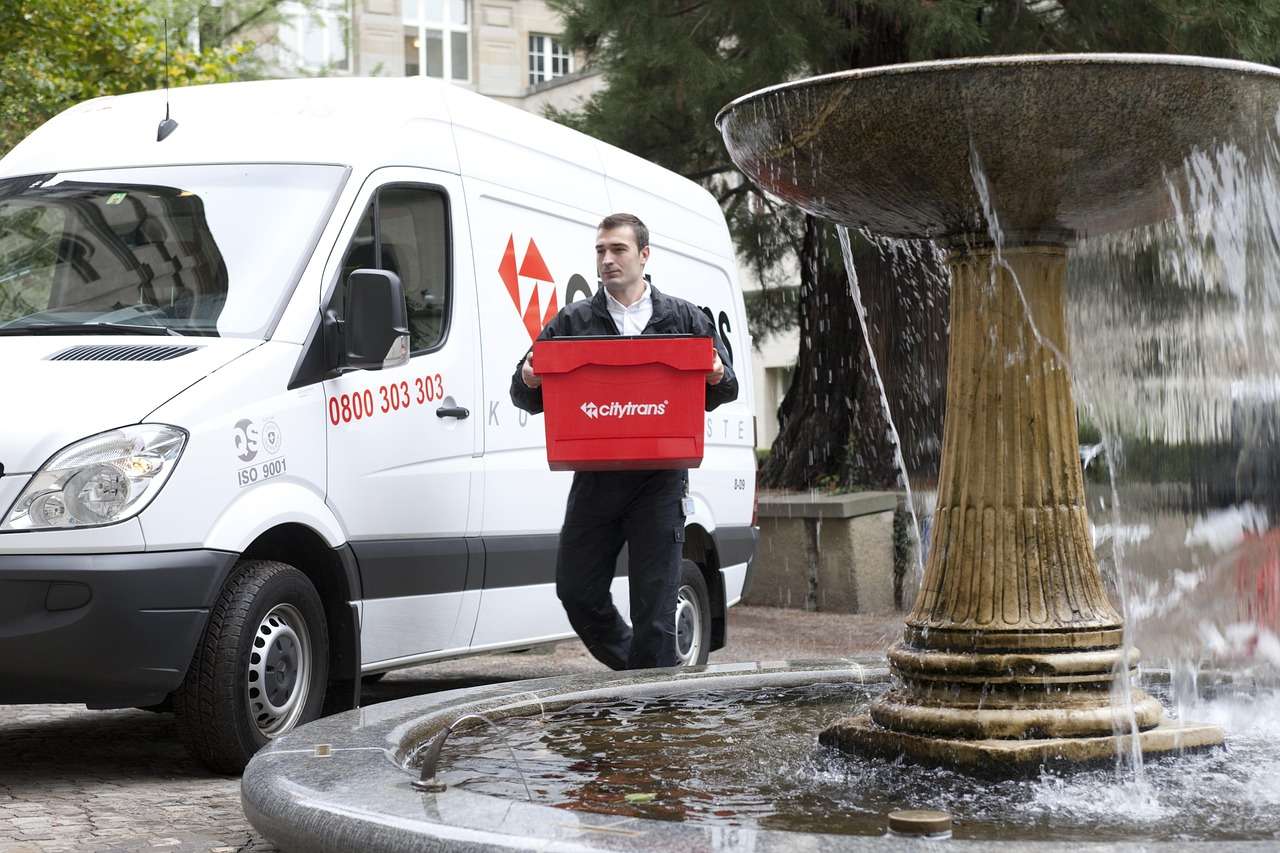
Finance Assets arranges asset finance for courier and delivery companies, helping UK firms fund vans, electric vehicles, depot equipment and the technology behind every drop.
Asset finance for courier companies spreads the cost of a delivery fleet over 2 to 5 years, so cash stays free for fuel, wages and the 30 to 60 days many customers take to pay. It suits firms winning a new carrier or retail contract, scaling up for peak, or switching to electric vans for clean air zones.
Written by Marcus Wright, founder of Bolton Business Finance Ltd, in financial services since 2008 and a commercial finance broker since 2019. Last reviewed October 2026.
On this page
The short version
- Asset finance lets courier and delivery firms spread the cost of vans and depot equipment over 2 to 5 years.
- Hire purchase leads to ownership, while leasing and contract hire keep the vans with the lender.
- High-mileage multi-drop fleets often suit contract hire with maintenance included.
- Electric vans, e-cargo bikes and depot charging can all be funded.
- Finance Assets arranges asset finance for courier firms trading as limited companies and LLPs, and for sole traders and partnerships on agreements over £25,000.
| Item | Detail |
|---|---|
| Vehicles covered | Small, medium and large panel vans, Luton vans, refrigerated vans, electric vans, e-cargo bikes and 7.5 tonne rigids |
| Terms | Usually 2 to 5 years, matched to mileage and how long the vehicles stay in the fleet |
| Paid upfront | Hire purchase: often a 10% deposit plus VAT. Leases and contract hire: usually 1 to 3 rentals in advance |
| New or used | Both, including ex-fleet and ex-lease vans |
| Extras | Racking, ply lining, tail lifts, telematics, dash cams and livery can often be included |
| Who we help | Limited companies and LLPs, plus sole traders and partnerships on business agreements over £25,000 |
Vehicles and equipment we finance for couriers
Lenders will fund the vehicles that do the deliveries and most of the equipment that keeps a depot moving.
| Group | Examples |
|---|---|
| Vans | Small, medium and large panel vans, high-roof vans, Luton and box vans with tail lifts |
| Temperature controlled | Refrigerated and chiller vans for food, pharmaceutical and medical deliveries |
| Electric and last mile | Battery electric vans, e-cargo bikes and trikes, and depot charging points |
| Larger vehicles | 7.5 tonne and 18 tonne rigids for trunking and pallet work. See HGV finance |
| Depot equipment | Conveyors and sortation lines, racking, forklift trucks and cages |
| Technology | Handheld scanners, label printers and IT, telematics and route planning software |

How courier firms use asset finance
Courier and delivery companies usually need vans before the contract that pays for them has started earning.
- Winning a new contract. Funding the vans and drivers’ kit for a carrier, wholesaler or retailer contract before the first invoice is paid.
- Scaling up for peak. Adding vans for the busy months on terms that match how long they are needed.
- Going electric. Replacing diesel vans to meet customer requirements and avoid clean air zone and ULEZ charges.
- Bringing kit in house. Funding a depot’s own sortation, racking and scanners rather than renting them.
- Releasing cash. Refinancing vans the business owns outright to fund growth or working capital.
Finance options for courier and delivery firms
Most courier firms buy vans on hire purchase or run them on contract hire, depending on mileage and how often they change them. Our types of asset finance guide covers each option in more depth.
| Type | How it works | Suits |
|---|---|---|
| Hire purchase | A deposit, then fixed monthly payments. You own the van after the last one | Vans you will run for 4 years or more |
| Finance lease | Rentals with VAT added to each one. The lender owns the van | Spreading the VAT on a large fleet order |
| Operating lease | Lower rentals priced around the expected resale value. You hand it back at the end | Vans needed for a contract of a fixed length |
| Contract hire | A fixed rental for an agreed term and mileage, often with maintenance included | High-mileage multi-drop fleets changed every 3 years |
Hire purchase for courier vans
Hire purchase is the simplest way to build a fleet you own. You pay a deposit, often around 10% plus the VAT, then fixed monthly payments, and each van is yours after the last one. A balloon payment can lower the monthly cost, and the van’s resale value at the end can then be used to clear it.
Finance lease for courier vans
A finance lease keeps more cash in the business on a large order, because VAT is added to each rental instead of being paid upfront. The lender owns the vans and you run and maintain them. At the end you can usually keep them on a small secondary rental, or sell them and receive most of the proceeds.
Operating lease for courier vans
An operating lease prices the rentals around what the van should be worth when it comes back, so the monthly cost is lower and the lender takes the resale risk. It suits vans taken on for a contract with a fixed end date, where the business does not want to be left owning them.
Contract hire for courier vans
Contract hire is common on multi-drop fleets. You pay a fixed monthly rental for an agreed term and mileage, and servicing, tyres and breakdown cover can often be included. The vans go back at the end, so agree a realistic annual mileage at the start, because excess mileage is charged.
VAT and tax for courier firms
Vans and depot equipment are not cars, so a VAT-registered courier firm can usually reclaim the VAT in full. On hire purchase, VAT on the full price is usually paid at the start and reclaimed on the next return. On a lease or contract hire, VAT is added to each rental. With hire purchase you may be able to claim capital allowances, and lease rentals are usually an allowable business expense. Check the tax treatment with your accountant.
Courier van finance costs: a worked example
Five new panel vans at £30,000 each, £150,000 in total, cost about £3,359 a month on a 4-year hire purchase, or about £2,838 a month with a 20% balloon.
| Item | Standard | With 20% balloon |
|---|---|---|
| Van price (excl. VAT) | £150,000 | £150,000 |
| Deposit (10%) | £15,000 | £15,000 |
| VAT paid upfront | £30,000 | £30,000 |
| Monthly payment (48 months) | £3,359.48 | £2,837.93 |
| Final balloon payment | None | £30,000 |
| Total interest | £26,255 | £31,221 |
The balloon frees up about £522 a month, in exchange for about £4,966 more interest over the four years. That works out at roughly £568 a month per van with a balloon, a figure a courier firm can set against the rate a contract pays per route.
Illustration calculated in October 2026, assuming an interest rate of 9% a year. It is not a quote. Your rate depends on your trading history, credit profile and the vehicles.

What lenders look for in courier firms
Lenders look at the usual financial documents, plus the contracts that show where the work for the vans will come from.
- Your last 2 years of filed accounts, or management accounts and a forecast for newer firms
- Your last 3 to 6 months of business bank statements
- Your main delivery contracts, how long they run and how much of your income each one brings in
- How your customers pay, and how long they take
- A current fleet list and details of any existing finance agreements
- Supplier quotes, plus photo ID and address history for each director, member or partner
Vehicle finance does not help when customers take weeks to pay. For that, our main site, Bolton Business Finance, covers courier invoice finance.
Related guides
Who we can help
We arrange asset finance for courier and delivery companies that trade as UK limited companies and LLPs, and for sole traders and partnerships on agreements over £25,000 that are for business purposes. We are not authorised by the FCA, so we cannot arrange agreements of £25,000 or less for sole traders or partnerships of two or three partners, or finance for personal use.
Asset finance for courier companies FAQs
Can a courier company finance several vans at once?
Yes. Lenders can fund a batch of vans on one agreement, or set up a facility with one credit approval and add each van as it arrives. This keeps the terms the same across the fleet and saves a fresh application every time the business takes on a new route or contract.
Can I get finance on an electric delivery van?
Yes, electric vans are widely funded on hire purchase, leasing and contract hire. Because their resale values are less settled than diesel vans, some lenders prefer hire purchase or shorter terms. Depot charging points can often be funded alongside the vans on the same agreement.
Can self-employed multi-drop drivers get van finance through you?
Only in some cases. We arrange business finance for limited companies and LLPs at any amount, and for sole traders and partnerships on agreements over £25,000. A self-employed driver buying a single van usually falls below that amount, so we cannot help unless the driver trades through a limited company.
Can a new courier business get asset finance?
Yes, although lenders look more closely at firms with little trading history. A signed contract with a carrier or retailer, directors with delivery or logistics experience, and a deposit all help. Hire purchase on vans that hold their value is usually the easiest place to start.
Should a courier firm buy vans or use contract hire?
It depends on mileage and how long you keep the vans. High-mileage multi-drop vans are often changed every 3 years, which suits contract hire with maintenance included and no resale risk. Firms that run vans for 5 years or more, or do lower mileage, usually pay less overall on hire purchase and own the vans at the end.
Can I finance warehouse and sortation equipment as well as vans?
Yes. Conveyors, sortation lines, racking, forklifts, handheld scanners and label printers can all be funded, either on their own or alongside vans. Larger depot equipment is often leased, because it can be upgraded as parcel volumes grow.
Get an asset finance quote for your courier business
Tell us about the vans
Send us the vans or equipment, the prices and a few details about your contracts. We will come back with the options that are realistic and what they are likely to cost.
About the author
Marcus Wright is the owner and founder of Bolton Business Finance Ltd, which trades as Finance Assets. He has worked in financial services since 2008, beginning his career at Santander, and has been a commercial finance broker since March 2019.
He founded Bolton Business Finance in 2020 to give businesses access to the whole lending market rather than one bank’s own product range. The firm is a member of the National Association of Commercial Finance Brokers and works with a panel of 135+ lenders. Call 0161 546 9128.
Finance Assets is a trading name of Bolton Business Finance Ltd, an independent commercial finance brokerage, not a lender. We are not authorised by the Financial Conduct Authority and can only complete non-regulated introductions. All lending is for business purposes only. Registered address: Westgate House, 1 Westgate Avenue, Bolton, Greater Manchester, BL1 4RF. Company number 12495909.