
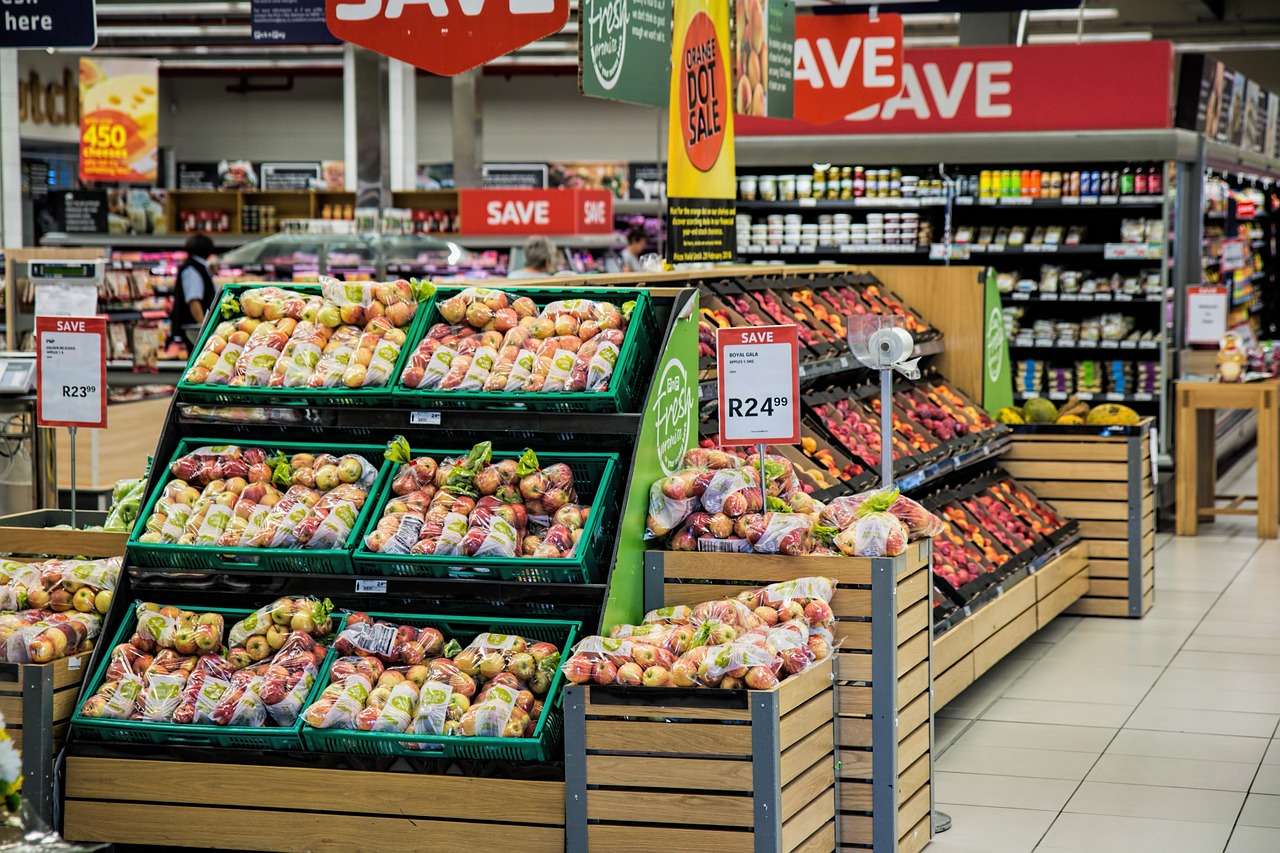
Finance Assets arranges asset finance for retailers, helping UK supermarkets, convenience stores, fashion and home goods retailers fund shop fittings, refrigeration, EPOS, security and delivery vehicles.
Asset finance for retailers spreads the cost of equipment over 2 to 7 years, so cash stays free for stock, staff and the quieter trading months. It suits independent shops and multi-site chains opening new stores, refitting existing ones, upgrading checkouts or replacing refrigeration and delivery vans.
Written by Marcus Wright, founder of Bolton Business Finance Ltd, in financial services since 2008 and a commercial finance broker since 2019. Last reviewed October 2026.
On this page
The short version
- Asset finance lets retailers spread the cost of shop fittings, refrigeration, EPOS, security and vehicles.
- A whole refit can be funded as one package, as long as most of it can be removed and resold.
- Asset finance does not fund stock, but it keeps cash free to buy it.
- Multi-site rollouts can sit on one agreement or a facility that each new store draws on.
- Finance Assets arranges asset finance for retailers trading as limited companies and LLPs, and for sole traders and partnerships on agreements over £25,000.
| Item | Detail |
|---|---|
| Equipment covered | Shop fittings, refrigeration, EPOS and self-checkouts, security, signage, warehouse and delivery equipment |
| Terms | Usually 2 to 5 years, and up to 7 years on refrigeration |
| Paid upfront | Hire purchase: often a 10% deposit plus VAT. Leases: usually 1 to 3 rentals in advance |
| New or used | Both, with used refrigeration and fittings from established suppliers |
| Not covered | Stock for resale and building work that cannot be removed |
| Who we help | Limited companies and LLPs, plus sole traders and partnerships on business agreements over £25,000 |
Retail equipment we finance
Lenders will fund most of the equipment a shop needs to display, chill, sell, protect and deliver its products.
| Equipment group | Examples |
|---|---|
| Shop fittings | Shelving, gondolas, counters, display units, fitting rooms and lighting. See fit-out finance |
| Refrigeration | Multideck chillers, freezers, cold rooms, ice cream cabinets and refrigeration plant. See commercial refrigeration finance |
| Checkouts and EPOS | Tills, card terminals, self-checkouts, scales and handheld scanners. See point of sale finance |
| Security | CCTV, electronic article surveillance gates, shutters and cash handling equipment |
| Signage and displays | Illuminated signs, digital screens and electronic shelf labels |
| Back of house | Bakery ovens, deli counters, forklifts, pallet trucks and balers |
| Vehicles | Delivery vans, refrigerated vans and home delivery vehicles |

Retailers we help
Different kinds of shop spend their money on different equipment, but the finance works the same way for each.
| Retailer | Typical equipment |
|---|---|
| Supermarkets and convenience stores | Refrigeration, freezers, self-checkouts, bakery ovens, security and delivery vans |
| Clothing and fashion retailers | Shop fittings, fitting rooms, lighting, EPOS, security tags and gates |
| Furniture and home goods retailers | Showroom fit-outs, warehouse racking, forklifts and two-person delivery vans |
| Specialist and independent shops | Display cases, counters, EPOS and signage |
| Online and click-and-collect retailers | Warehouse racking, packing equipment and vans. See e-commerce asset finance |
How retailers use asset finance
Retail margins are tight and stock ties up a lot of cash, so spreading the cost of equipment keeps money available for the shelves.
- Refitting a store. Funding new fittings, lighting and refrigeration together, so the shop looks better and costs less to run.
- Opening a new branch. Equipping a new site without using the cash needed for its opening stock.
- Upgrading checkouts. Adding self-checkouts and new EPOS to cut queues and staff time.
- Cutting energy bills. Replacing old open-front chillers with doored cabinets and efficient plant.
- Starting or growing delivery. Adding vans for home delivery and click and collect.
Finance options for retailers
Most retailers buy refrigeration and vehicles on hire purchase and lease technology that will be replaced. Our types of asset finance guide covers each option in more depth.
| Type | How it works | Suits |
|---|---|---|
| Hire purchase | A deposit, then fixed payments. You own the equipment after the last one | Refrigeration, fittings and vans you will keep |
| Finance lease | Rentals with VAT added to each one. The lender owns the equipment | Larger refits where you want to avoid paying VAT upfront |
| Operating lease | Lower rentals priced around the expected resale value. You hand it back at the end | EPOS, self-checkouts and screens that date quickly |
| Sale and hire purchase back | A lender buys equipment you own and sells it back over a fixed term | Releasing cash from vans or refrigeration already paid for |
Hire purchase for retail equipment
Hire purchase suits refrigeration, fittings and vans that the shop will use for many years. You pay a deposit and the VAT upfront, then fixed payments, and the equipment is yours after the last one. You are treated as the owner for tax from the start, so you may be able to claim capital allowances.
Leasing EPOS and self-checkouts
Checkout technology moves on quickly. Leasing gives a fixed monthly cost and makes it easier to upgrade at the end of the term, and software and support can sometimes be included in the rental.
Shop refit finance
A full refit can be funded as one package covering fittings, lighting, refrigeration and EPOS. Lenders fund the equipment, so it helps to separate removable items from building work such as flooring and ceilings, which is usually paid for separately.
Releasing cash from equipment you own
A sale and hire purchase back lets a lender buy vans, refrigeration or other equipment you own outright and sell it back to you over a fixed term. It can release cash for stock or a new branch while the equipment stays in use.
VAT and tax for retailers
Retail equipment carries VAT at the standard rate, which a VAT-registered business can normally reclaim. On hire purchase the VAT is paid upfront, while on a lease it is added to each rental. With hire purchase you may be able to claim capital allowances, and lease rentals are usually an allowable business expense. Check how the rules apply to your business with your accountant.
Retail refit finance costs: a worked example
A convenience store refit with £35,000 of refrigeration, £10,000 of EPOS and self-checkouts, and £15,000 of shelving and counters, £60,000 in total, costs about £1,121 a month on a 5-year hire purchase, or about £1,717 a month over 3 years.
| Item | 3-year term | 5-year term |
|---|---|---|
| Equipment price (excluding VAT) | £60,000 | £60,000 |
| Deposit (10%) | £6,000 | £6,000 |
| VAT paid upfront (reclaimable) | £12,000 | £12,000 |
| Amount financed | £54,000 | £54,000 |
| Monthly payment | £1,717.19 | £1,120.95 |
| Total interest | £7,819 | £13,257 |
The longer term lowers the monthly payment by about £596, at a cost of around £5,438 more interest. Some retailers split the package, funding the refrigeration over 5 years and the EPOS over 3, so each item is paid off within its working life.
Illustration calculated in November 2026, assuming an interest rate of 9% a year, payments monthly in arrears and no balloon. It is not a quote. Your rate depends on your trading history, credit profile and the equipment.

What lenders look for in retailers
Lenders look at the usual financial documents, plus the things that show each shop trades well and will be there for the length of the agreement.
- Your last 2 years of accounts, or management accounts and a forecast for newer businesses
- Your last 3 to 6 months of business bank statements
- Sales figures by store, and card takings where available
- Your shop lease and how long it has left to run
- Supplier or shopfitter quotes, with equipment separated from building work
- Photo ID and address history for each director, member or partner
Related guides
Who we can help
We arrange asset finance for retailers that trade as UK limited companies and LLPs, and for sole traders and partnerships on agreements over £25,000 that are for business purposes. We are not authorised by the FCA, so we cannot arrange agreements of £25,000 or less for sole traders or partnerships of two or three partners, or finance for personal use.
Asset finance for retailers FAQs
Can retailers finance a shop refit?
Yes. Shelving, counters, display fixtures, lighting, refrigeration and EPOS can be funded together as one refit package. Lenders are most comfortable with items that can be removed and resold, so a quote that separates equipment from building work helps. Our office furniture and fit-out finance guide covers shopfitting in more detail.
Can asset finance be used to buy stock?
No. Asset finance funds equipment and vehicles that a lender can take security over, not stock for resale. Retailers who need help with stock or seasonal buying usually look at other forms of business finance, and we can talk through those separately.
Can a retailer in a rented shop get asset finance?
Yes. Most retailers trade from leased premises, and lenders are used to it. For fixed items such as refrigeration plant or air conditioning, some lenders will want the landlord’s agreement that the equipment can be removed if needed. A lease that runs at least as long as the finance term also helps.
Can supermarkets and convenience stores finance refrigeration?
Yes. Multideck chillers, freezers, cold rooms and the plant that runs them are among the most common assets food retailers fund, often over 5 to 7 years. Newer systems can cut energy bills enough to cover a large part of the payment. See our commercial refrigeration finance guide.
Can multi-site retailers finance equipment for several shops at once?
Yes. A rollout of EPOS, self-checkouts, refrigeration or shop fittings across several branches can sit on one agreement or a master facility that each new site draws on. Lenders will look at the group’s accounts and how each store trades.
Can a new shop get asset finance?
It is harder but possible. Lenders look for owners with retail experience, a signed lease, a realistic forecast and usually a deposit. Franchisees joining an established brand often find it easier, because lenders can see how other stores in the network trade.
Get an asset finance quote for your shop
Tell us what you want to finance
Send us the equipment, the prices and a few details about your shops and how they trade. We will come back with the options that are realistic and what they are likely to cost.
About the author
Marcus Wright is the owner and founder of Bolton Business Finance Ltd, which trades as Finance Assets. He has worked in financial services since 2008, beginning his career at Santander, and has been a commercial finance broker since March 2019.
He founded Bolton Business Finance in 2020 to give businesses access to the whole lending market rather than one bank’s own product range. The firm is a member of the National Association of Commercial Finance Brokers and works with a panel of 135+ lenders. Call 0161 546 9128.
Finance Assets is a trading name of Bolton Business Finance Ltd, an independent commercial finance brokerage, not a lender. We are not authorised by the Financial Conduct Authority and can only complete non-regulated introductions. All lending is for business purposes only. Registered address: Westgate House, 1 Westgate Avenue, Bolton, Greater Manchester, BL1 4RF. Company number 12495909.